
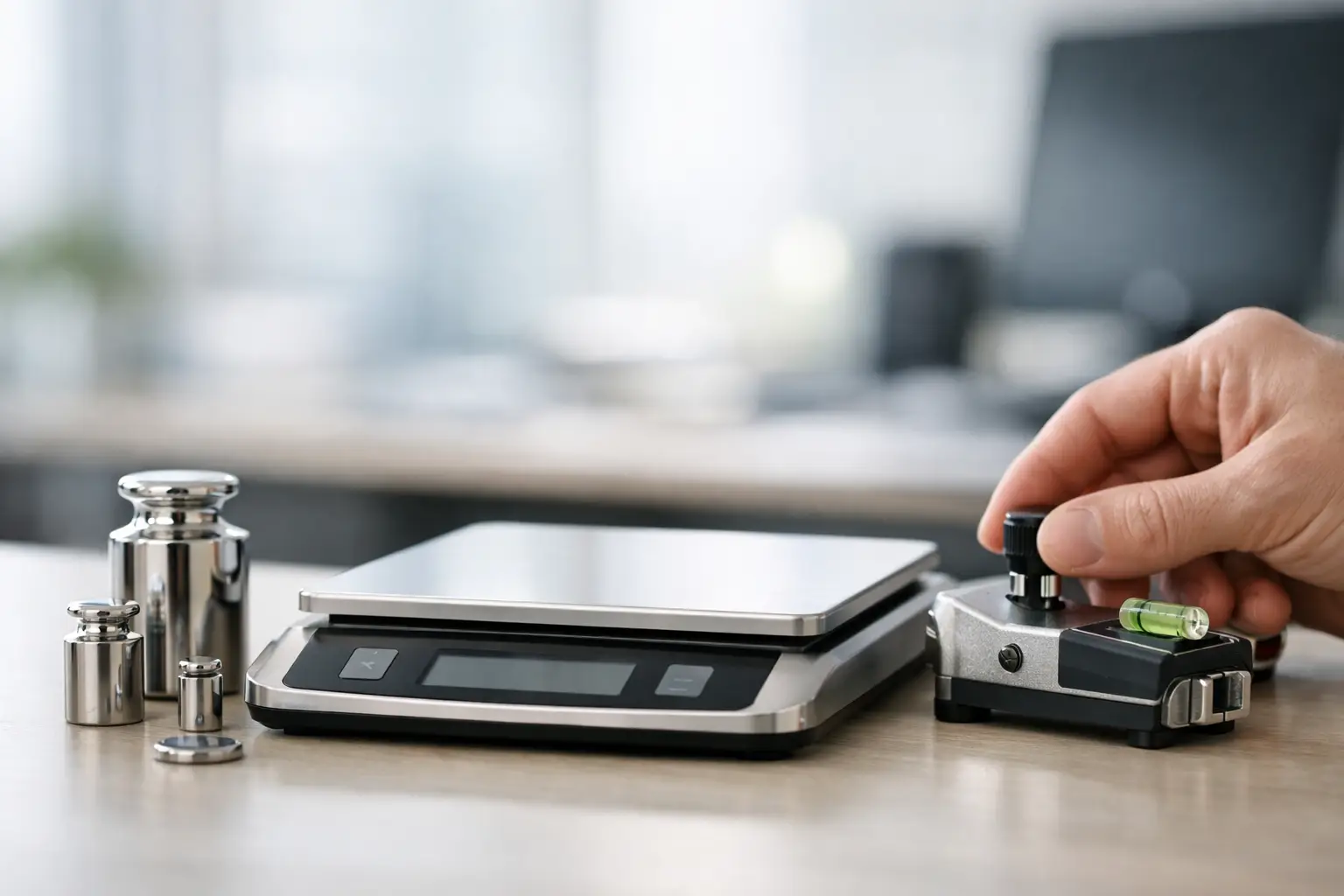
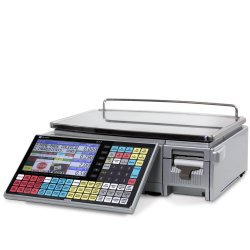
A set of scales can be only a few grams out and still create a very real problem at the counter. If you sell produce, deli items, bulk goods or anything priced by weight, small inaccuracies add up fast. So, do scales need to be calibrated? In most business settings, yes – and not just for accuracy, but for compliance, customer confidence and day-to-day consistency.
For many operators, calibration only gets attention when something looks obviously wrong. A reading drifts, staff question a result, or a customer points out a mismatch. By then, the issue may already have affected transactions, stock control or trade compliance. Calibration is one of those maintenance jobs that works best when it is planned, not delayed.
Why scales drift over time
Even good-quality scales do not stay perfectly accurate forever. They are measuring instruments, and measuring instruments are affected by use, movement and environment. If a scale is bumped during cleaning, relocated between benches, loaded heavily every day or exposed to heat, dust, moisture or vibration, its readings can shift.
That does not always mean the unit is faulty. Often, it means the scale needs adjustment and verification so it can return to correct operation. In busy food service, retail and market environments, this is completely normal. The more a scale is used, transported or exposed to changing conditions, the more likely it is to need calibration checks.
Do scales need to be calibrated in every business?
It depends on what the scale is used for.
If you are using a scale for general internal tasks, such as rough portioning or back-of-house prep where exact trade weight is not part of the sale, calibration is still worthwhile, but the compliance risk may be lower. The business impact is usually tied to waste, portion inconsistency or stock discrepancies rather than legal measurement issues.
If you are using a scale to sell goods by weight, the stakes are higher. In that case, calibration is not just a good habit. It is part of making sure the equipment is fit for purpose and delivering correct readings in a trade setting. When money changes hands based on weight, accuracy matters every time.
When calibration matters most
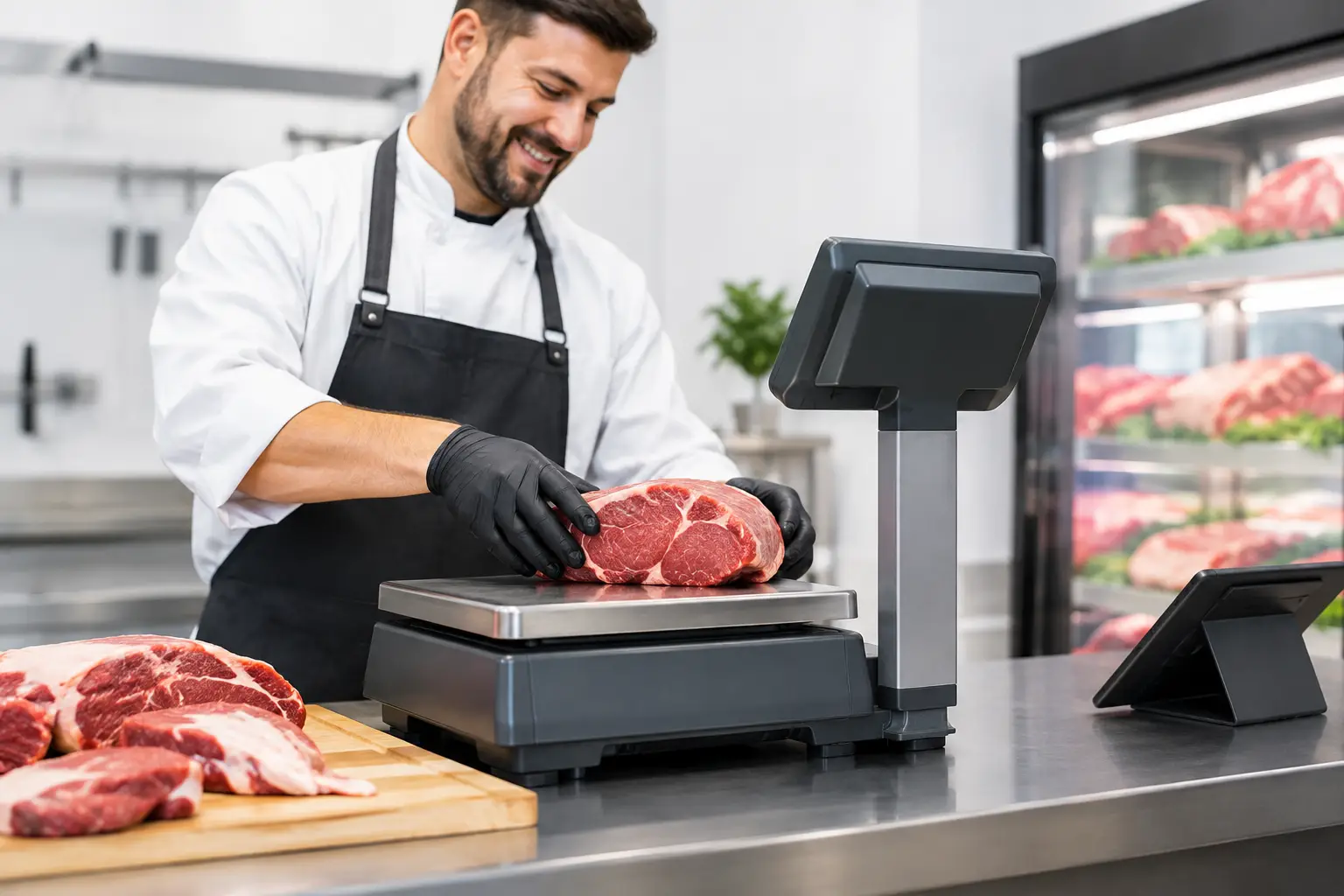
The businesses that benefit most from regular calibration are usually the ones where scales directly affect pricing, product yield or customer trust. That includes butchers, grocers, seafood retailers, bakeries, health food stores, cafes selling takeaway by weight, and market operators. It also matters in warehousing, manufacturing and dispatch where weight is linked to process control or freight.
A one-off check at installation is not enough for equipment that sees daily use. Once the scale becomes part of a working environment, conditions change. Benchtops shift, loads vary, power supply can fluctuate, and staff use patterns are rarely identical from week to week.
Calibration, adjustment and verification are not the same thing
This is where many businesses get caught out. People often use the word calibration as a catch-all term, but there are important differences.
Calibration is the process of checking a scale against known weights to see whether it is reading correctly. Adjustment is what happens if the readings are off and the scale needs to be brought back into tolerance. Verification confirms that the scale meets the relevant requirements for trade use.
That distinction matters because a scale may power on, weigh consistently and still not meet the standard expected for commercial transactions. A business owner may think the scale is fine because it appears stable, but stability is not the same as accuracy.
How often should scales be calibrated?
There is no single interval that suits every site. The right schedule depends on the type of scale, how heavily it is used, whether it is moved, and whether it is used for trade.
For a scale in a fixed retail position with moderate daily use, regular scheduled servicing may be enough to keep performance on track. For portable scales used at markets or events, more frequent checks make sense because transport and setup changes can affect accuracy. If a scale is used in a harsh environment, such as a busy kitchen or food prep area with constant cleaning and temperature change, calibration may need to happen more often than the owner expects.
You should also arrange a check after any event that could affect the unit – being dropped, knocked, relocated, repaired or exposed to a power issue. If the scale has started giving inconsistent readings, that is already a sign it needs attention.
Signs your scale may need calibration
Sometimes the warning signs are obvious. Sometimes they are subtle and easy to ignore.
A scale may need calibration if the display does not return cleanly to zero, the same item gives different readings when weighed twice, or the result changes depending on where the item sits on the platter. You might also notice staff avoiding a particular scale because they no longer trust it, or stocktake figures start drifting without a clear reason.
In customer-facing environments, one of the biggest red flags is repeated price corrections at the register. If weighed items regularly need manual review, the problem may not be staff error. It may be the scale.
What happens if you skip it?
The immediate risk is inaccurate weighing. The bigger risk is what inaccurate weighing leads to.
You may undercharge and lose margin across hundreds of transactions. You may overcharge and damage trust with customers who expect fair and transparent pricing. Portions can become inconsistent, food cost can creep up, and stock records can become less reliable. In trade settings, there is also the risk of failing compliance expectations if the equipment is not performing correctly.
For small to mid-sized businesses, these issues rarely show up as one dramatic failure. More often, they appear as steady leakage – a little lost revenue here, a little extra waste there, a few awkward customer conversations, and more staff time spent checking numbers that should have been right the first time.
Can staff calibrate scales themselves?
Some scales have user-accessible functions for basic setup or internal checks, but that does not mean every calibration task should be handled in-house. Much depends on the scale type and whether it is being used in a trade-approved application.
Simple internal checks by staff can be useful as an early warning system. For example, confirming the unit is level, ensuring the platform is clean, checking zero before service starts and comparing readings with a known test weight can help identify problems early. That is good practice.
But when a scale needs formal calibration, adjustment or trade-related verification, it is best handled by a qualified technician with the right test equipment and licensing where required. Guesswork has no place in a measuring device that affects sales.
Why trade-approved scales still need attention
A common misunderstanding is that buying a trade-approved scale means accuracy is taken care of for life. It does not.
Trade approval refers to the type of scale being suitable for commercial use under the relevant requirements. It does not remove the need for ongoing maintenance, checking and calibration. A compliant scale can still drift if it is heavily used, moved around or exposed to conditions that affect performance.
That is why ongoing support matters. Businesses need more than a box on a bench. They need confidence that the equipment is installed correctly, remains accurate in real operating conditions and can be serviced quickly if something changes.
A practical approach for busy operators
For most businesses, the best approach is simple. Start with the right scale for the job, have it installed and tested properly, and put it on a sensible service schedule. Train staff to notice early warning signs rather than working around them, and do not wait for a complaint before acting.
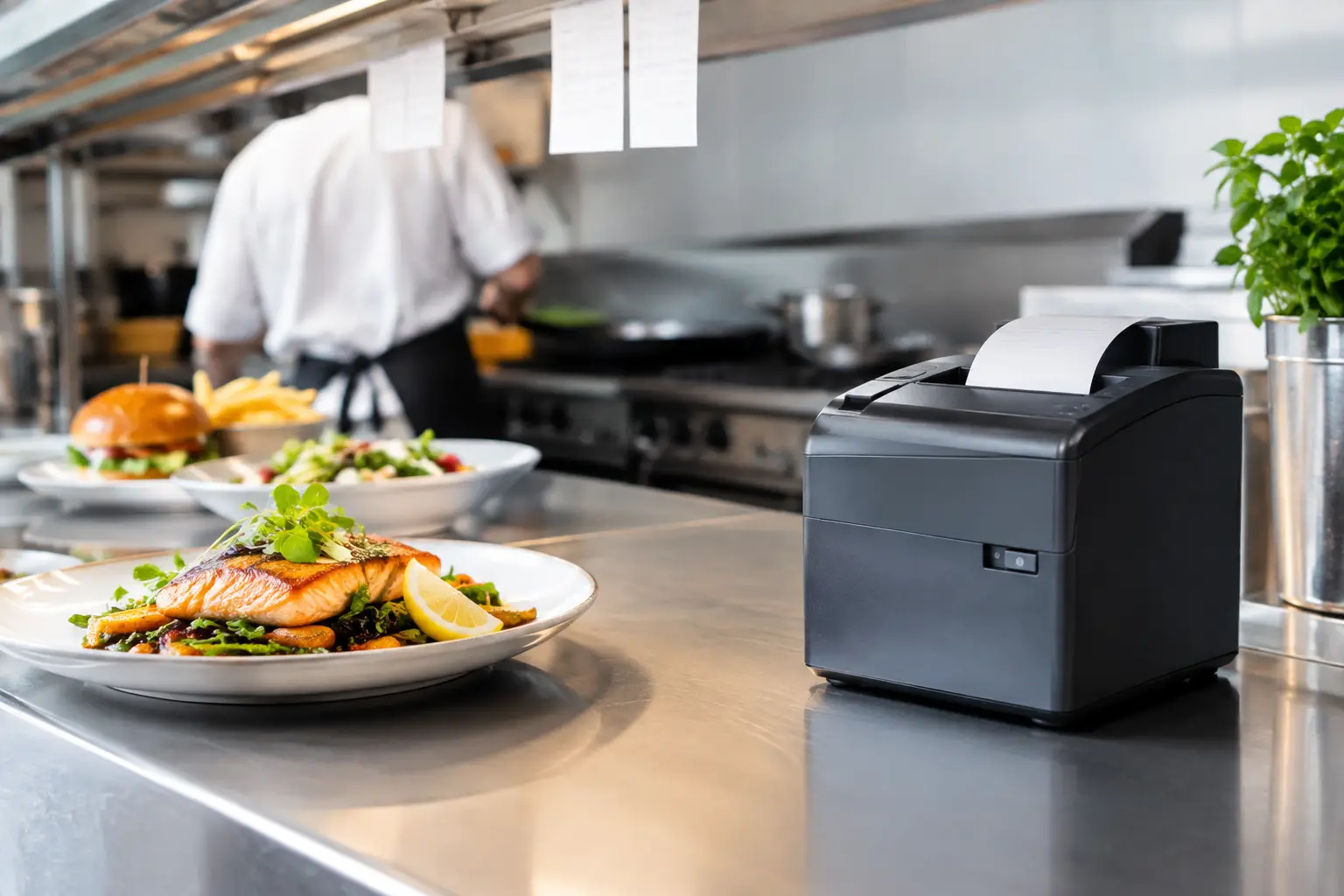
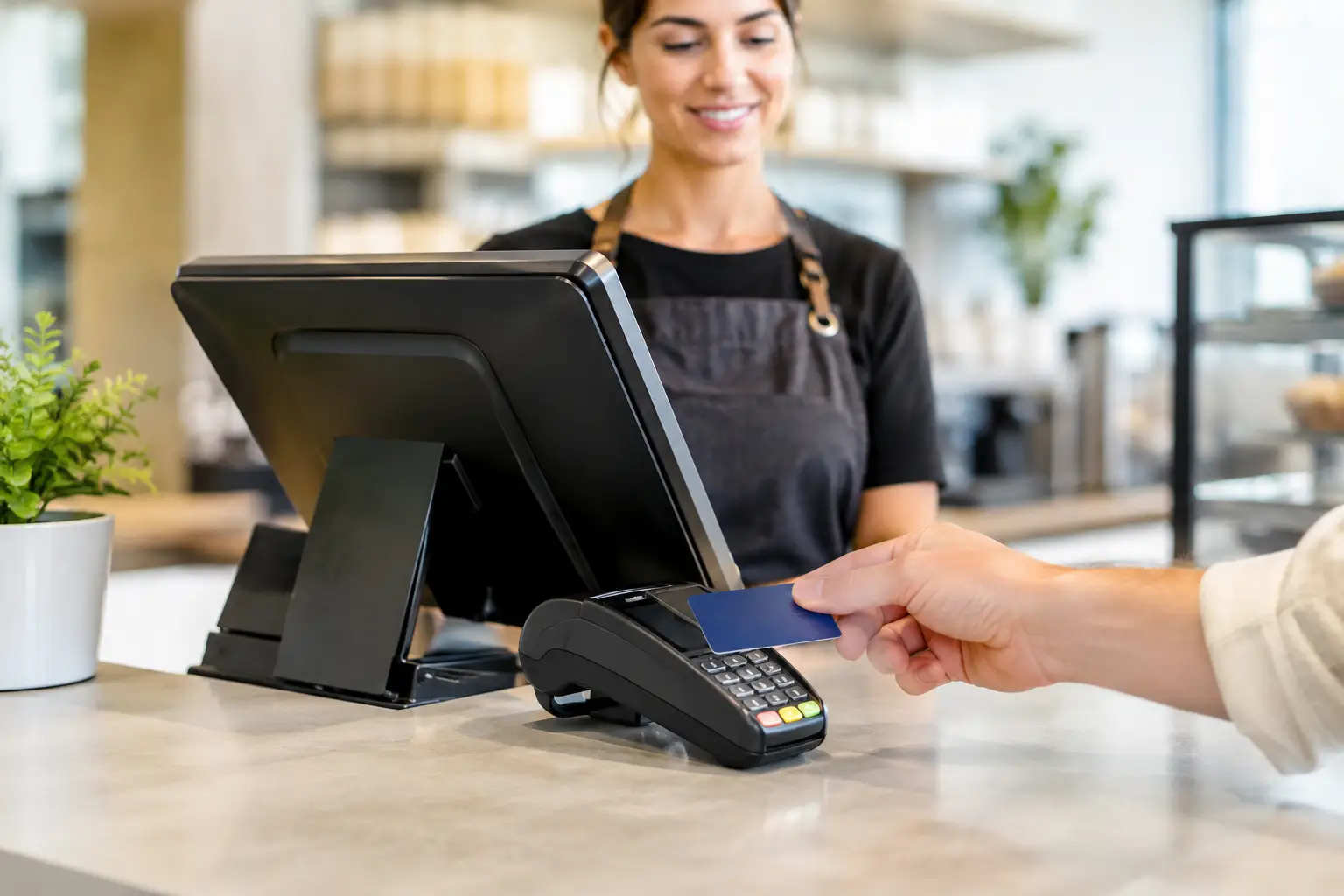
If your operation depends on accurate weighing, treat the scale the same way you would treat your POS, printer or payment terminal. It is part of your revenue process. If it goes out, your workflow suffers. If it goes out silently, the damage can take longer to spot.
That is why many Southeast Queensland businesses prefer to work with a local provider that can supply, calibrate, service and repair the equipment in one place. A team like EBE can help match the scale to the application and keep it performing properly over time, rather than leaving you to chase support from multiple suppliers.
The short answer is yes – scales do need to be calibrated. The more useful answer is that they need to be checked at the right times, by the right people, for the right reasons. If your business relies on weight for pricing, portions or compliance, staying ahead of calibration is one of the simplest ways to protect accuracy and keep your operation running as it should.






Leave A Comment
You must be logged in to post a comment.