
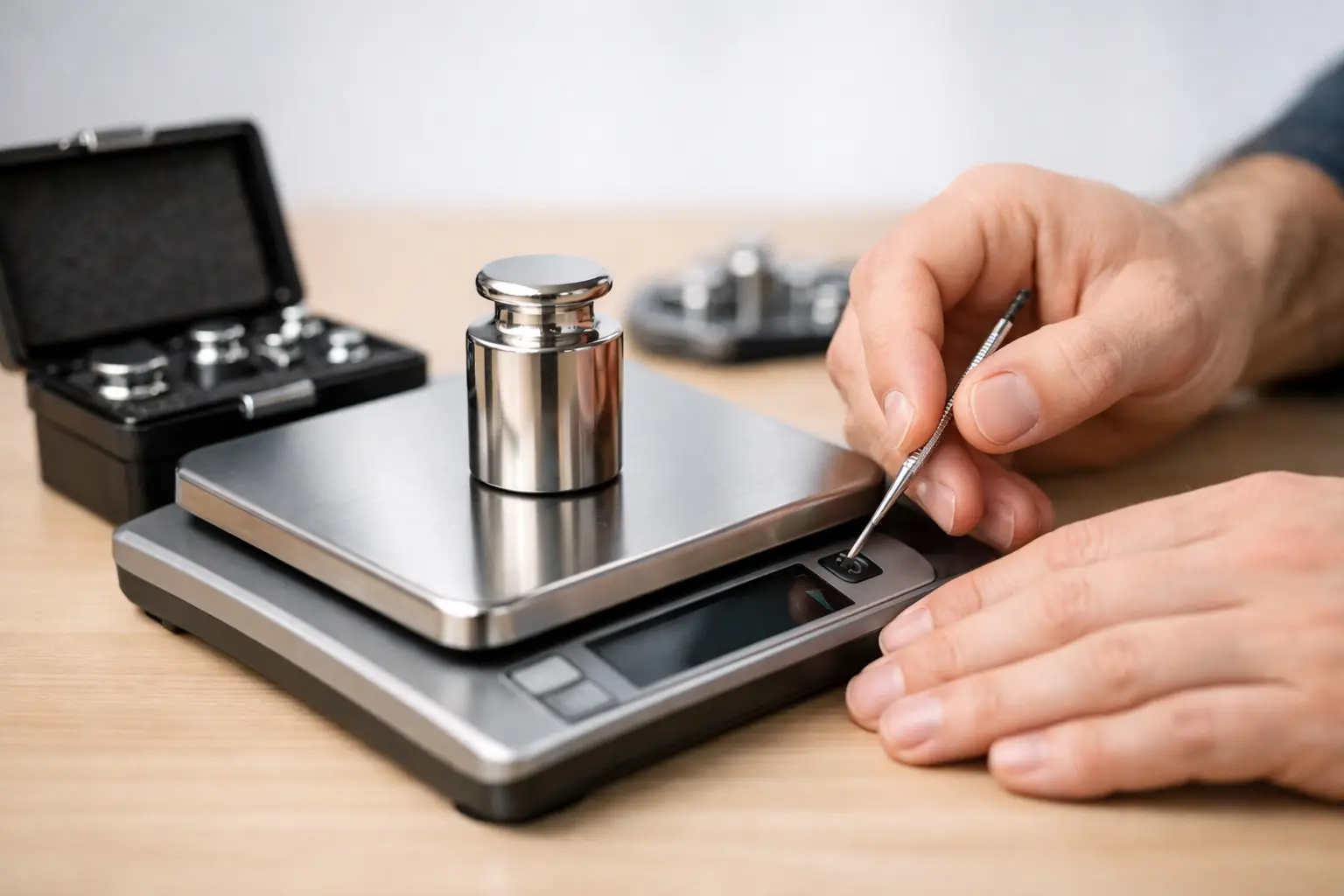
If your scale starts reading 20 grams high during a busy lunch rush, it does not stay a small problem for long. Portion control slips, stock figures drift, and if you are selling by weight, compliance can become an issue as well. So, can you calibrate a scale? Yes – but whether you should do it yourself depends on the type of scale, how it is used, and whether trade approval rules apply.
For a back-of-house bench scale used for internal checks, basic calibration may be straightforward if the unit is designed for it and you have the correct test weights. For a trade-approved scale used to sell products by weight, the answer is more qualified. Calibration, verification and certification are not the same thing, and getting that distinction wrong can create unnecessary risk for your business.
Can you calibrate a scale in-house?
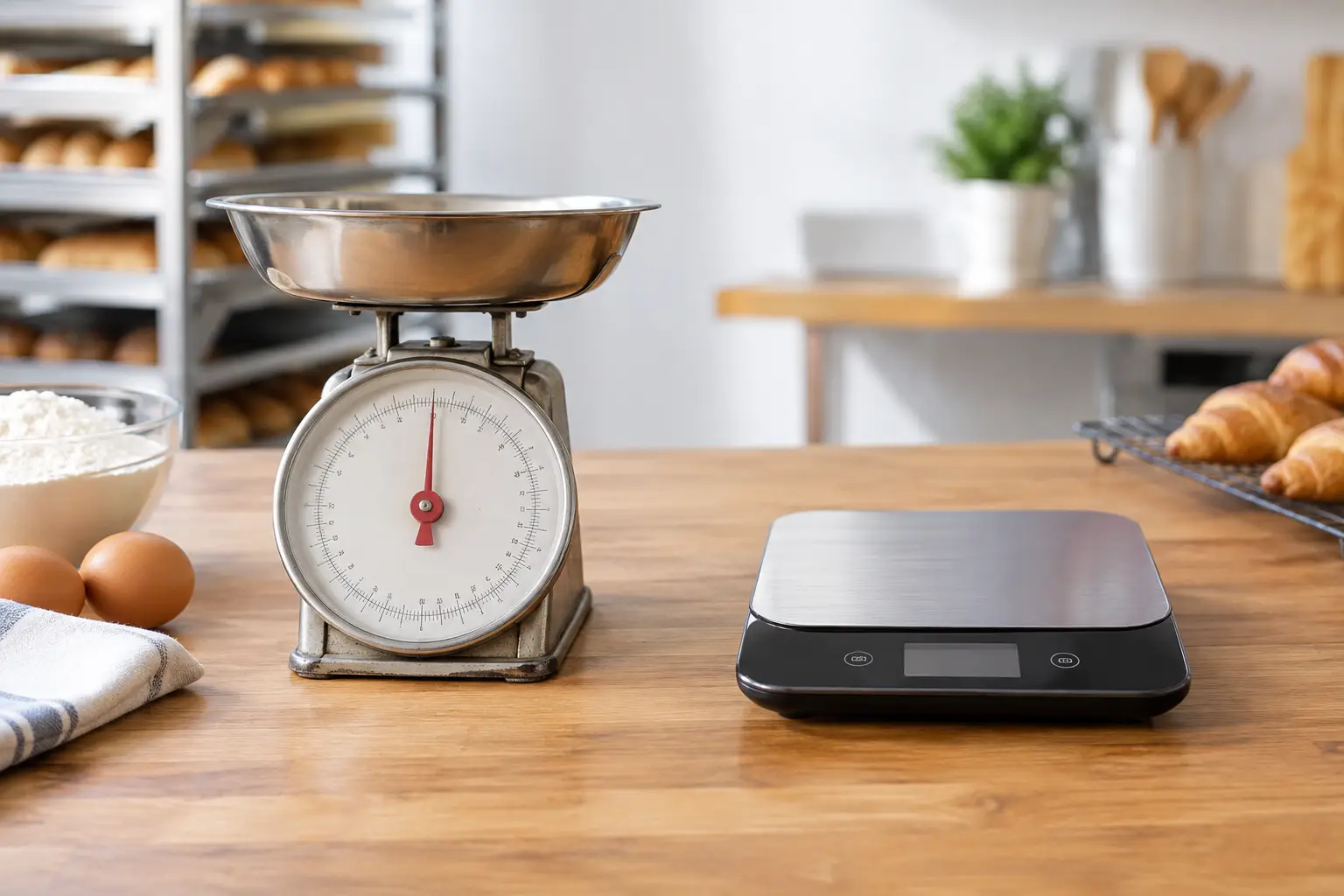
In some cases, yes. Many digital scales include a calibration mode that allows the unit to be adjusted using a specified test weight. That is common with kitchen scales, prep scales, laboratory-style units and some general-purpose bench scales.
The catch is accuracy depends on more than pressing a few buttons. A scale can only be calibrated properly if the weight used is known to be accurate, the unit is on a stable and level surface, the environment is suitable, and the scale itself is in sound working order. If the load cell is damaged, the feet are uneven, the platform is warped or the electronics are drifting, calibration alone will not fix the problem.
That is why many businesses find that a scale appears to calibrate successfully but still gives inconsistent readings through the day. The issue may not be calibration at all. It may be vibration from nearby equipment, air movement, worn components, overload damage or simple operator error.
When you should not calibrate a scale yourself
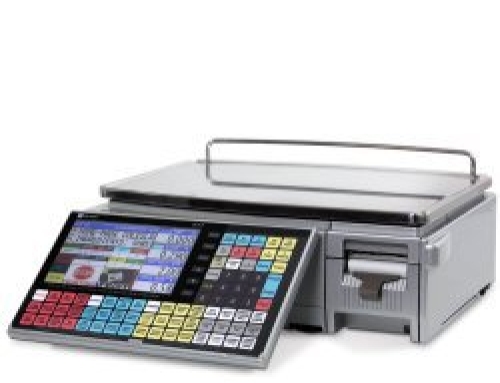
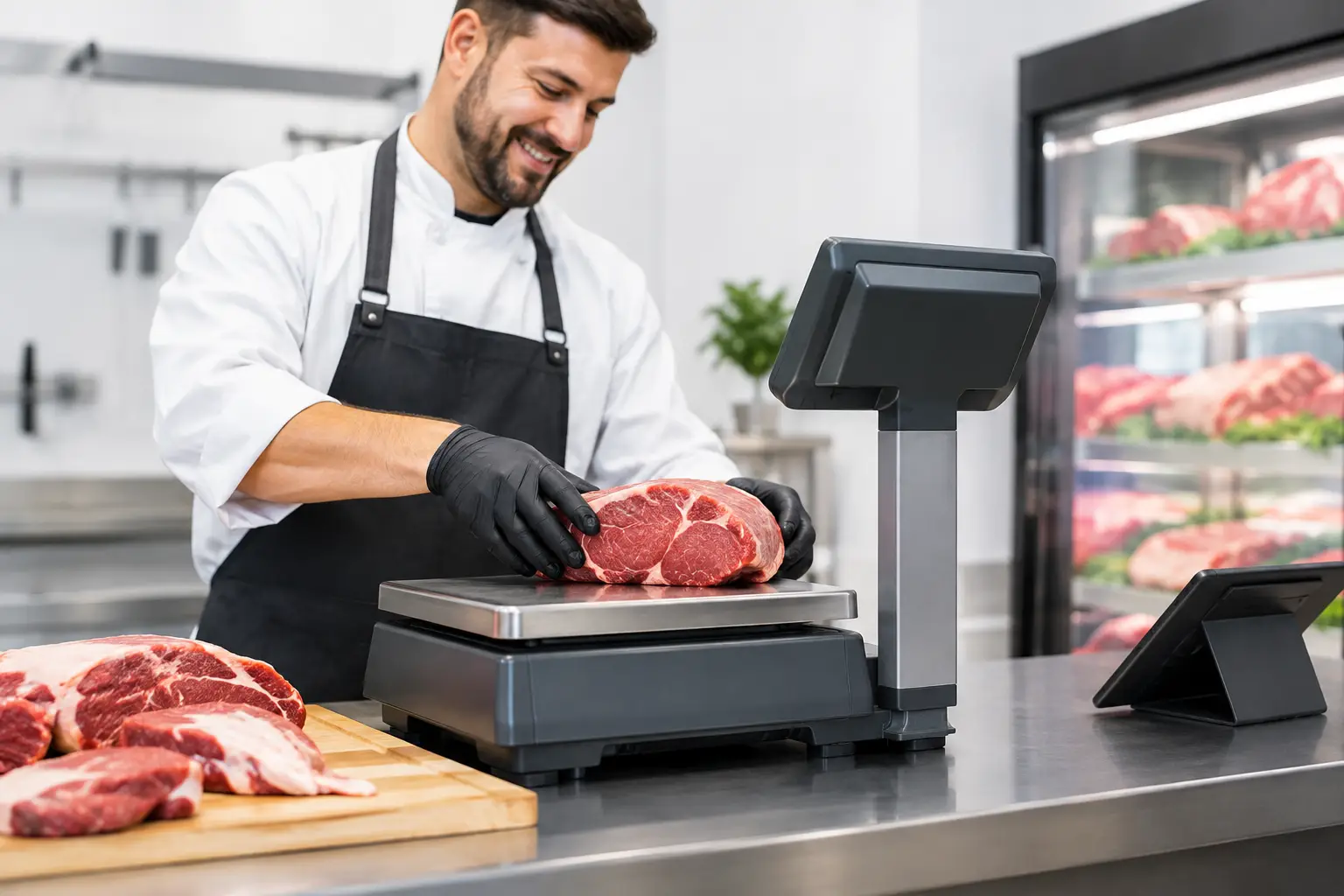
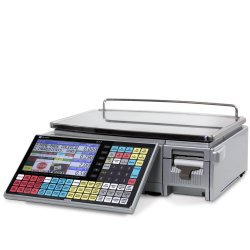
If the scale is used in a commercial setting where customers are charged based on weight, caution is essential. This includes deli scales, produce scales, butcher shop scales, market scales and other trade-approved units. In those situations, compliance matters just as much as accuracy.
A scale used for trade needs to meet measurement requirements, and depending on the work involved, it may need a licensed technician to calibrate, verify or certify it correctly. If seals are broken, settings are changed incorrectly, or the unit is adjusted without the proper process, the scale may no longer be compliant for trade use.
For business owners, the practical question is not just can you calibrate a scale, but can you calibrate it and still be confident it is legally suitable for how you use it. If the answer is uncertain, professional service is the safer option.
Calibration, verification and certification are different jobs
This is where a lot of confusion starts.
Calibration is the process of adjusting or checking the scale so its readings align with known reference weights. It is about accuracy.
Verification is the process of confirming the scale meets required standards for trade use. That is about compliance.
Certification is the documented outcome showing the equipment has been checked and approved under the relevant process.
For an internal kitchen scale, calibration may be all you need. For a retail or food service business selling by weight, verification and certification may also be required. A technician who works with trade-approved equipment understands those differences and can advise what applies to your operation.
How to tell if your scale needs calibration
You do not always need a full service call the first time a reading looks odd, but you should not ignore the signs either. A scale often needs attention when readings drift between uses, the display does not return to zero properly, the same item gives different weights on repeated checks, or the unit has been moved, bumped or overloaded.
Environmental changes can also affect performance. If a scale has been relocated, stored in a hot vehicle, used on an uneven counter or placed near vibrating equipment, readings can shift. Even a fan, open doorway or heavy foot traffic on a flexible floor can cause problems with more sensitive units.
If accuracy matters to stock control, recipe consistency or point-of-sale transactions, it is worth checking the scale before small errors become a bigger operational issue.
What you need before trying to calibrate a scale
If your scale is suitable for in-house calibration, do not guess your way through it. Start with the manufacturer instructions for that exact model. Calibration steps, required weight values and button sequences vary.
You also need proper test weights. Using a bag of sugar, a dumbbell or a product pack with an estimated weight is not a reliable method. If the reference weight is off, the calibration will be off as well.
Make sure the scale is clean, level and warmed up if the manufacturer recommends it. Remove debris under the platform, check that adjustable feet are stable, and keep the area free from drafts and vibration. These details sound minor, but they often make the difference between a stable scale and one that keeps causing headaches.
A practical way to approach it
For non-trade scales, a sensible approach is to start with a basic accuracy check rather than a full adjustment. Place the scale on a firm, level bench and test it with a known certified weight, ideally at a few points across its operating range. If the readings are consistently off by a small amount and the unit supports calibration, follow the manufacturer procedure carefully.
If the readings are erratic, inconsistent or far outside tolerance, stop there. That usually points to a mechanical or electronic issue rather than a simple calibration drift. Repeating the process will not solve a damaged load cell or a failing indicator.
For trade-approved scales, it is better to treat any suspected issue as a service matter. That protects your compliance position and reduces the chance of downtime from an incorrect adjustment.
Why DIY calibration can cost more than it saves
It is understandable to want a quick in-house fix, especially during a busy week. But with weighing equipment, the cheapest option is not always the most practical one.
A wrongly calibrated prep scale can affect portion sizes and margins for weeks before anyone notices. A non-compliant trade scale can create customer disputes, failed inspections and unnecessary disruption. In some cases, staff spend more time second-guessing the equipment than they would have spent getting it checked properly in the first place.
There is also the issue of repeat problems. If a scale keeps drifting, calibration is only treating the symptom. A technician can check for wear, overload damage, unstable power, platform interference and other faults that are easy to miss when you are focused only on the display reading.
When to call a technician
If your business relies on weighing equipment every day, there is real value in having a technician assess the scale properly. That is especially true if the unit is trade-approved, the readings are inconsistent after a manual check, the scale has been dropped or overloaded, or you need documentation for compliance.
An experienced service provider can test the scale with certified weights, inspect the hardware, confirm whether the issue is calibration or repair-related, and advise whether the equipment remains suitable for the job. For businesses across Southeast Queensland, that kind of local support matters when downtime affects service, stock or sales.
This is where a hands-on provider such as Electronic Business Equipment can make the process much easier – not just adjusting a scale, but checking the full picture so the equipment is accurate, compliant and ready to work in a real business environment.
So, can you calibrate a scale?
Yes, sometimes you can. If it is a non-trade scale, the model supports user calibration and you have the right test weights and setup, an in-house calibration may be perfectly reasonable.
But if the scale is used for trade, if compliance is involved, or if the problem looks bigger than a minor drift, professional calibration and verification are the smarter call. The right question is not whether calibration is possible. It is whether the result will be accurate, compliant and dependable enough for the way your business operates.
A scale should be something you trust without thinking about it. If you are thinking about it too often, it is probably time to have it checked properly.






Leave A Comment
You must be logged in to post a comment.