
Mandatory Allergen & Nutrition Labelling in Australia: What Food Businesses Must Know
📅 When Did the New Allergen Rules Begin?
On 25 February 2024, the Plain English Allergen Labelling (PEAL) laws became mandatory under Standard 1.2.3 and Schedule 9 of the Australia New Zealand Food Standards Code. These laws apply to all food packaged or labelled on or after this date.
⚠️ Food packaged before 25 February 2024 can still be sold using the old allergen labelling until 25 February 2026.
✅ Who Must Comply with Allergen Labelling?
- Packaged foods sold to consumers (retail or wholesale).
- Unpackaged foods (e.g. cafes, bakeries, takeaways) must display allergen info on menus or provide it on request.
❌ When Allergen Labelling Is Not Required
- Stock packaged before 25 Feb 2024 — until 25 Feb 2026.
- Highly refined ingredients (e.g. refined soybean oil, gluten-removed glucose syrup).
- Fresh unpackaged produce, foods packaged in front of the customer, or fundraising items (e.g. sausage sizzles).
⚠️ What Allergens Must Be Declared?
Allergens must be listed in bold in both the ingredient list and a summary statement, using names from the Food Standards Code.
Allergen list: Wheat, Gluten, Egg, Milk, Soy, Peanut, Tree nuts (each listed separately), Lupin, Sesame, Fish, Crustacea, Molluscs, Sulphites (≥ 10mg/kg)
Example summary statement: “Contains: wheat, milk, soy”
📝 Nutrition Labelling – When It’s Required
The Nutrition Information Panel (NIP) provides key nutrient information and is mandatory on most packaged foods.
A compliant NIP must show:
- Energy (kJ)
- Protein
- Fat (total and saturated)
- Carbohydrates (total and sugars)
- Sodium
- Any claimed nutrients (e.g. fibre, calcium)
✅ When a NIP Is Required:
- Packaged food for retail
- Products with health/nutrition claims
- When specific nutrients are listed or promoted
❌ NIP Is Not Required For:
- Fresh fruit, vegetables, herbs, mushrooms
- Fresh meat, poultry, fish sold unpackaged
- Alcoholic beverages
- Very small packages (< 100cm² surface)
- Unpackaged or on-site prepared food (e.g. bakery, takeaways)
- Fundraising items (non-commercial)
- Dry tea, coffee, infusions
- Items with negligible nutrition (e.g. salt, spices)
🔎 Even when a NIP is exempt, allergen labelling still applies unless the product itself is exempt.
📁 How Electronic Business Equipment Can Help
At Electronic Business Equipment, we help Sunshine Coast food businesses comply with allergen and nutrition labelling regulations.
🖨 Label Design & Integration
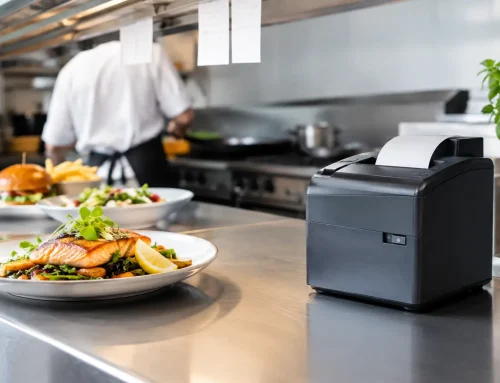
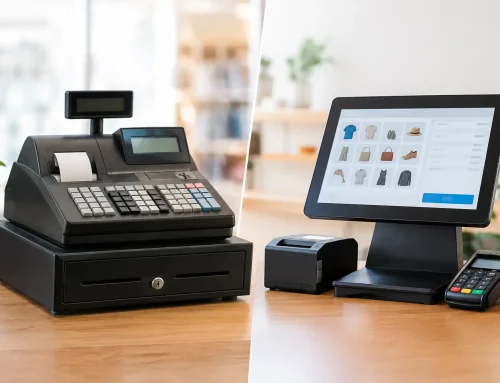
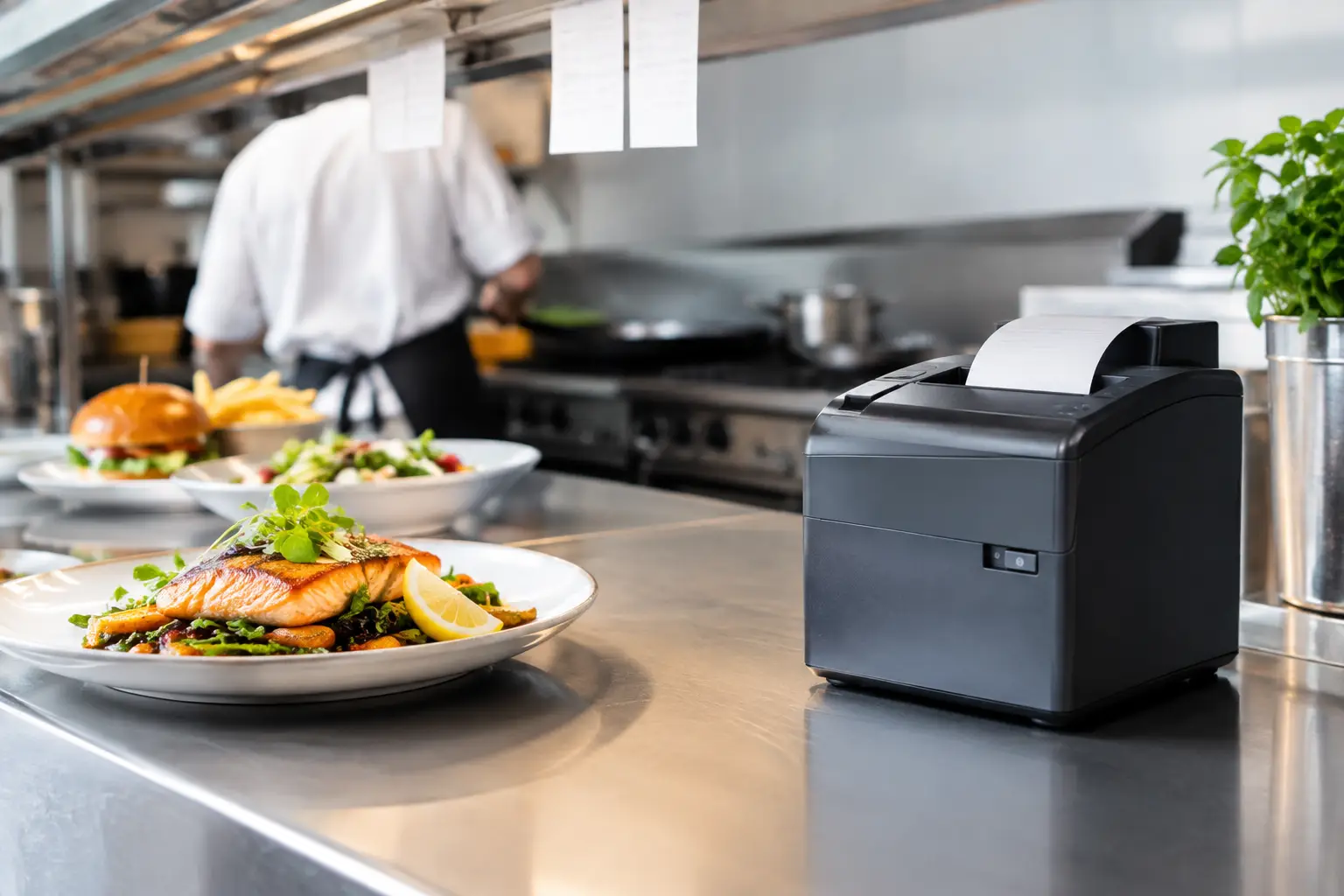
- Configure receipt printers, scale labels, and POS displays to show allergens and nutrition data.
📊 POS Integration & Compliance Reporting
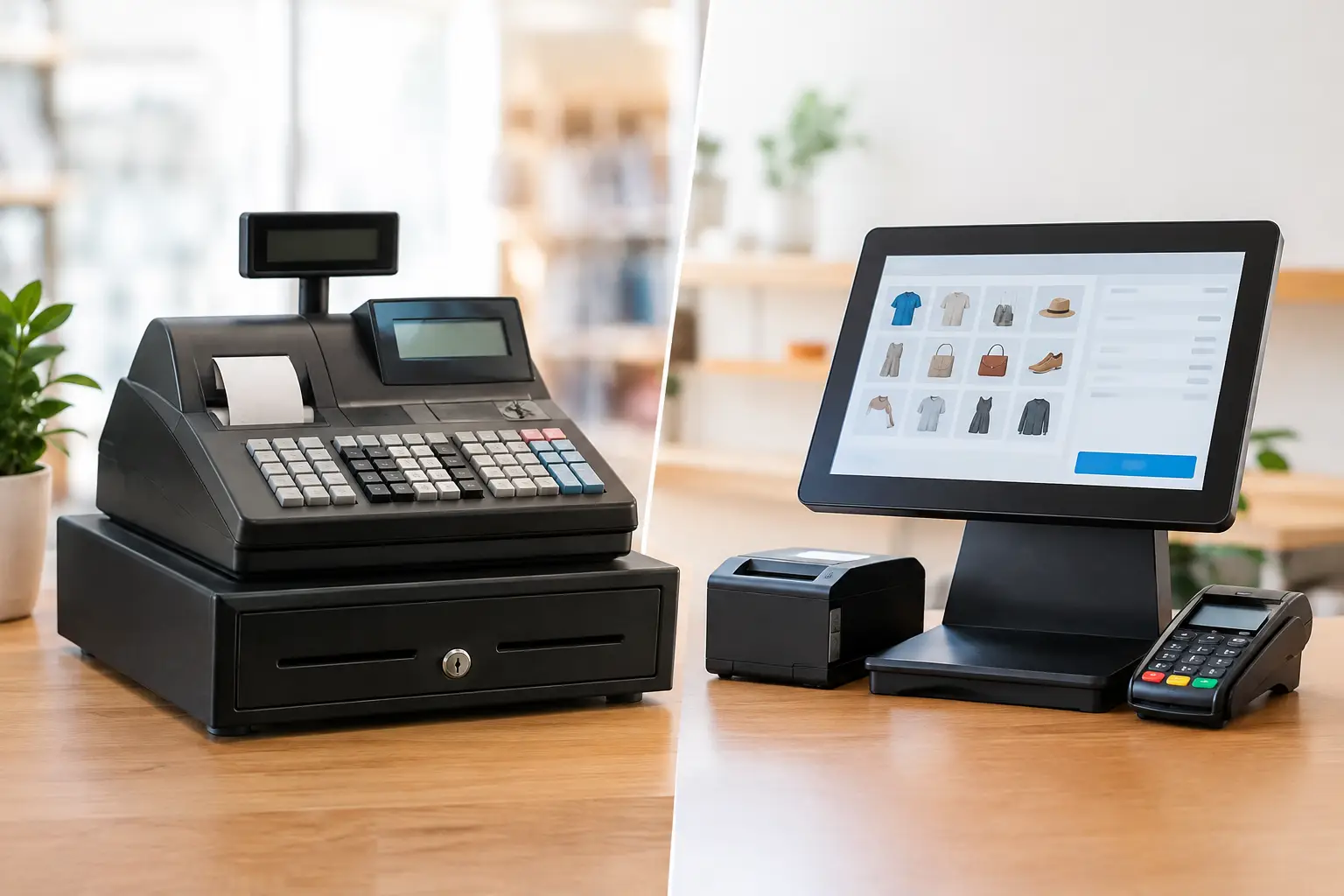
- Track ingredient and allergen data accurately in your POS system.
📋 Staff Training & Support
- Train your team to follow safe food labelling procedures and provide accurate information to customers.
📅 Summary Table
| Label Type | Required When | Not Required When |
|---|---|---|
| Allergen Label | All packaged food; unpackaged food after Feb 25, 2024 | Highly refined ingredients; pre-Feb 2024 packaging |
| Nutrition Label | Most packaged foods; with any health/nutrition claim | Fresh produce, alcohol, small packs, on-site prepared food |
☎️ Need Help Getting Compliant?
Let Electronic Business Equipment guide you through the regulations and provide tailored solutions to your food labelling challenges. Whether you operate a café, butcher shop, grocer or school tuckshop, we can help.
Call us today on (07) 5443 2744 or contact us online to get started.









Leave A Comment
You must be logged in to post a comment.