

A busy Saturday morning exposes every weak point in a venue’s setup. A queue forms at the counter, an EFTPOS terminal drops out, a docket goes missing, or staff cannot find an item quickly on the POS screen. Hospitality technology trends matter when they solve these real operational problems, not when they add another system for staff to manage.
For cafes, takeaway shops, restaurants, bars and event operators across Southeast Queensland, the best technology choices usually make service faster, improve accuracy and give owners clearer control over daily trade. The right fit depends on the venue, menu, transaction volume and staff experience. A small coffee shop does not need the same setup as a busy pub or high-volume food outlet.
Hospitality Technology Trends Built Around Uptime
The strongest trend is not a single product. It is the shift towards connected, dependable systems that support the full transaction from order to payment, production and reporting. Venues are less willing to accept disconnected equipment or wait days for help when a printer, POS terminal or network fails.
That has increased the value of locally supported technology. Cloud-based software can be useful, but cloud access alone does not fix a faulty receipt printer, unstable Wi-Fi connection or incorrectly configured POS terminal. Hospitality operators still need practical support for installation, staff training, repairs and replacement equipment when something goes wrong during trade.
Before investing in any new platform, assess the basics: network coverage, power protection, printer locations, kitchen workflow and the number of payment points required. New software will not deliver its intended benefit if the physical equipment and network underneath it are unreliable.
Faster, More Flexible Payments
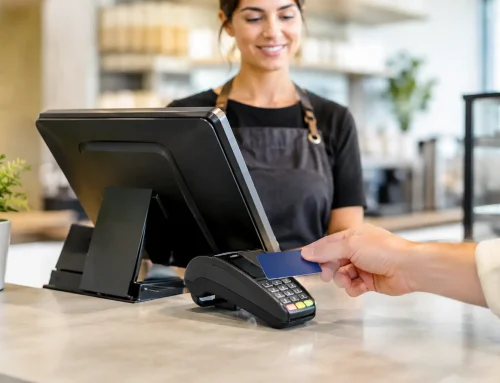
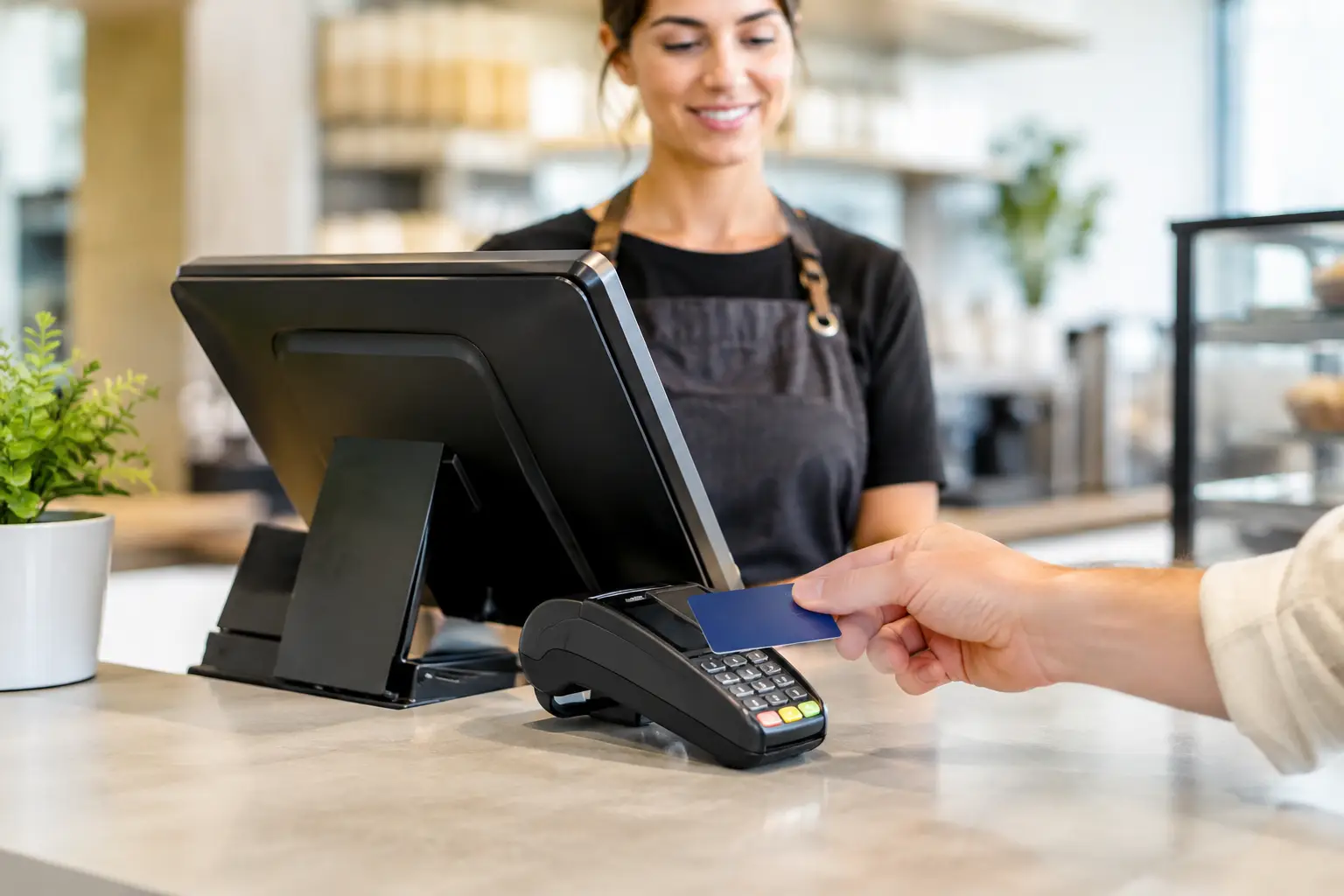
Contactless payment is now standard, but customer expectations have continued to rise. Guests expect to tap a card, phone or wearable quickly, receive a clear receipt if needed, and move on without delays. For counter-service venues, even a few seconds saved per transaction can make a noticeable difference through the morning rush.
Modern payment terminals can support tipping prompts, split payments, digital receipts and portable payments at the table. These functions can be useful, but they should suit the way a venue actually trades. A table-service restaurant may benefit from mobile terminals that allow staff to take payment at the table. A fast takeaway outlet may be better served by a fixed, durable counter terminal integrated tightly with its POS.
Owners should also consider the practical costs. Payment fees, hardware rental arrangements, terminal replacement processes and support availability all affect the long-term value of a payment solution. The cheapest monthly option is not always the most affordable if downtime costs sales during peak periods.
POS Systems Designed for Real Workflows
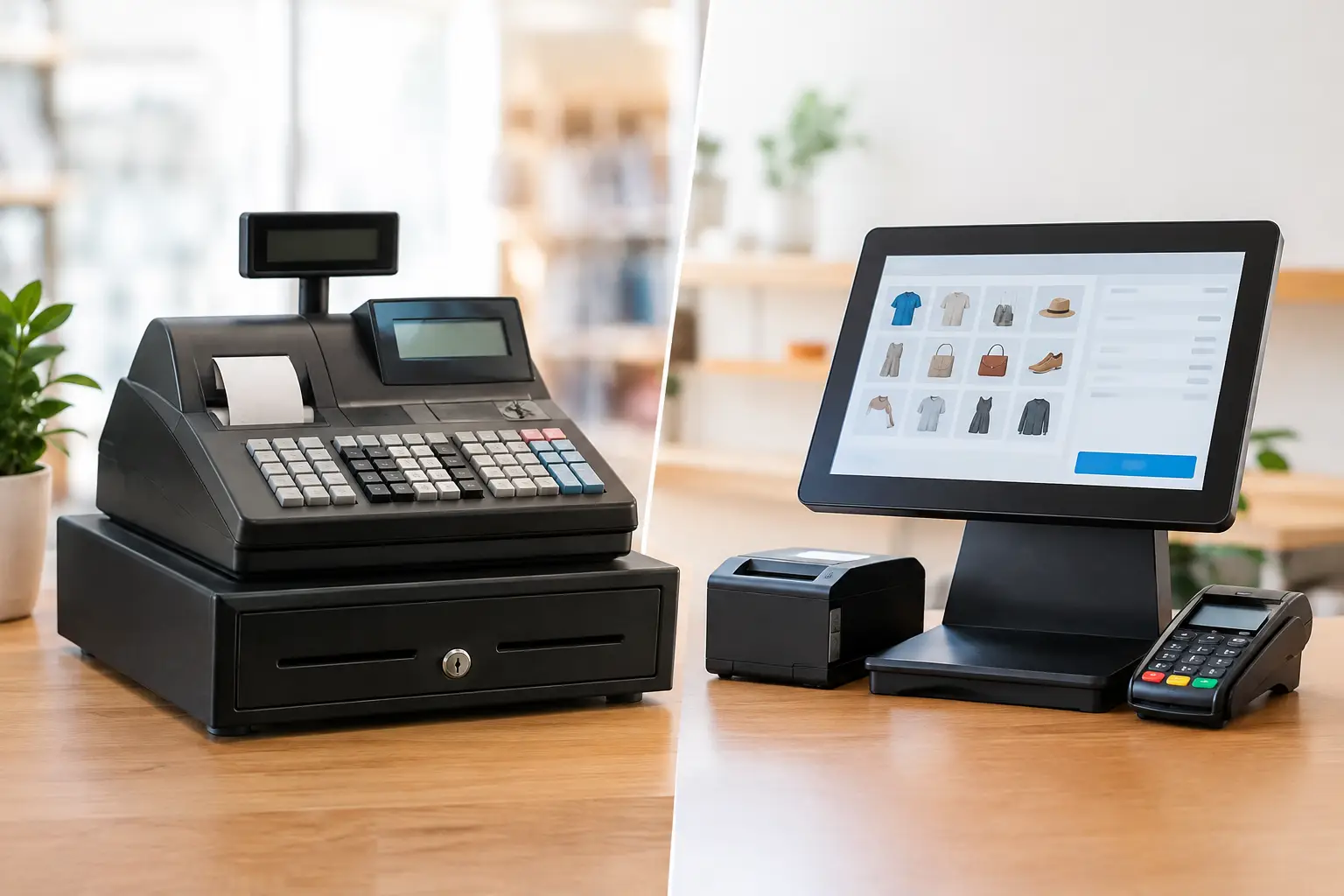
A modern hospitality POS system is no longer just a cash register. It can manage menu items, modifiers, promotions, staff access, stock information, reporting and kitchen orders. The benefit is not having every available feature switched on. It is having the right functions configured clearly enough that staff can use them confidently under pressure.
For example, a café may need quick buttons for popular drinks, alternate milk options, dietary requirements and simple order notes. A restaurant may need table maps, course ordering, split bills and a clear handover between front of house and kitchen. A venue with retail products may also need barcode scanning and stock reporting alongside food and beverage sales.
Configuration matters as much as the equipment itself. An overcrowded POS screen, unclear product categories or poorly planned modifier choices slow staff down and increase mistakes. Taking time to map the menu and transaction process before installation helps avoid costly rework later.
Kitchen Technology That Reduces Missed Orders
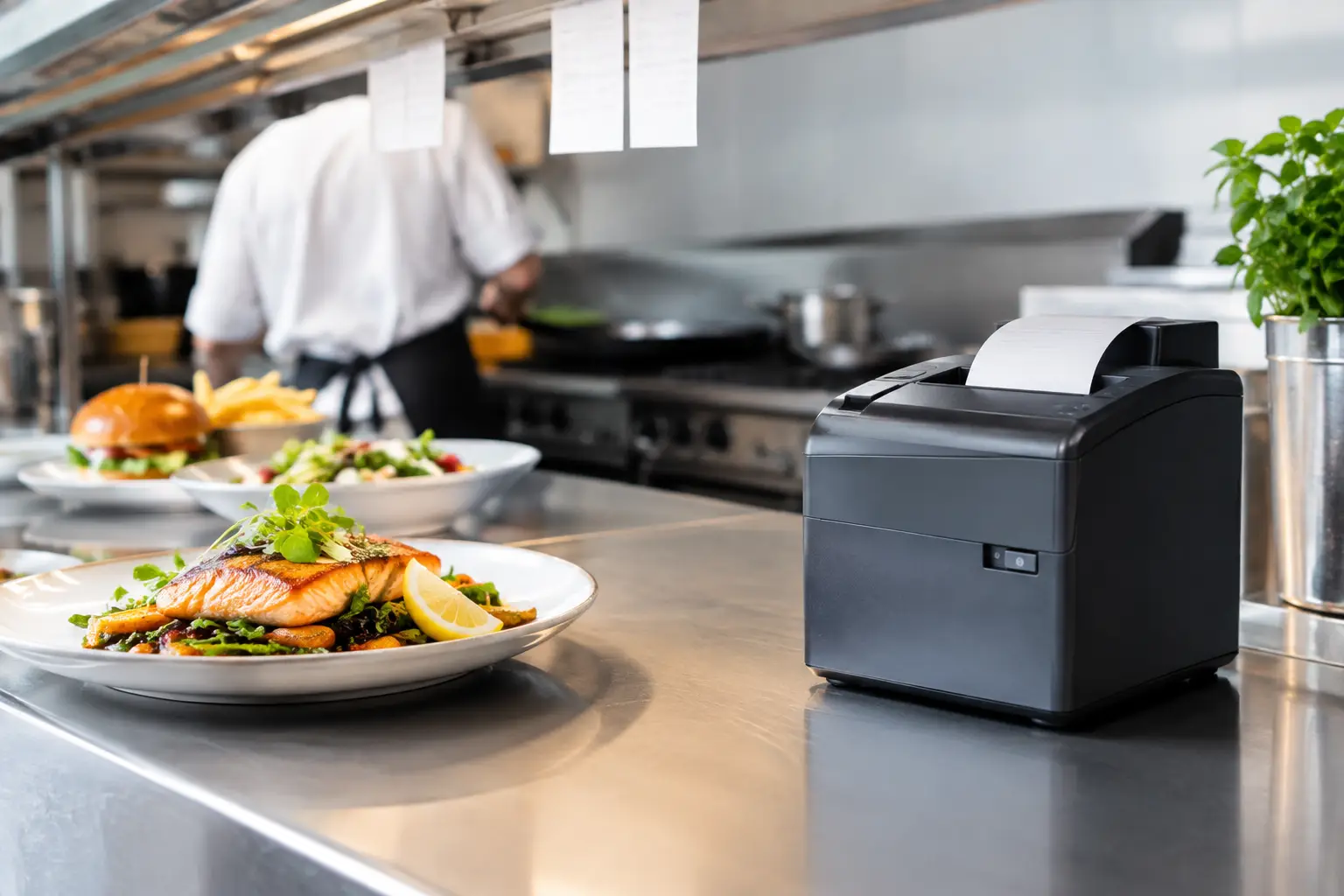
Kitchen display systems are becoming more common in venues that need clearer communication between the counter and production area. Instead of relying entirely on printed dockets, orders can appear on a screen organised by time, order type or preparation station. Staff can mark orders as started, ready or completed, which can improve visibility during busy periods.
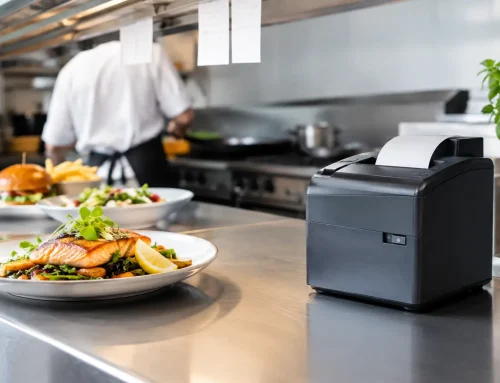
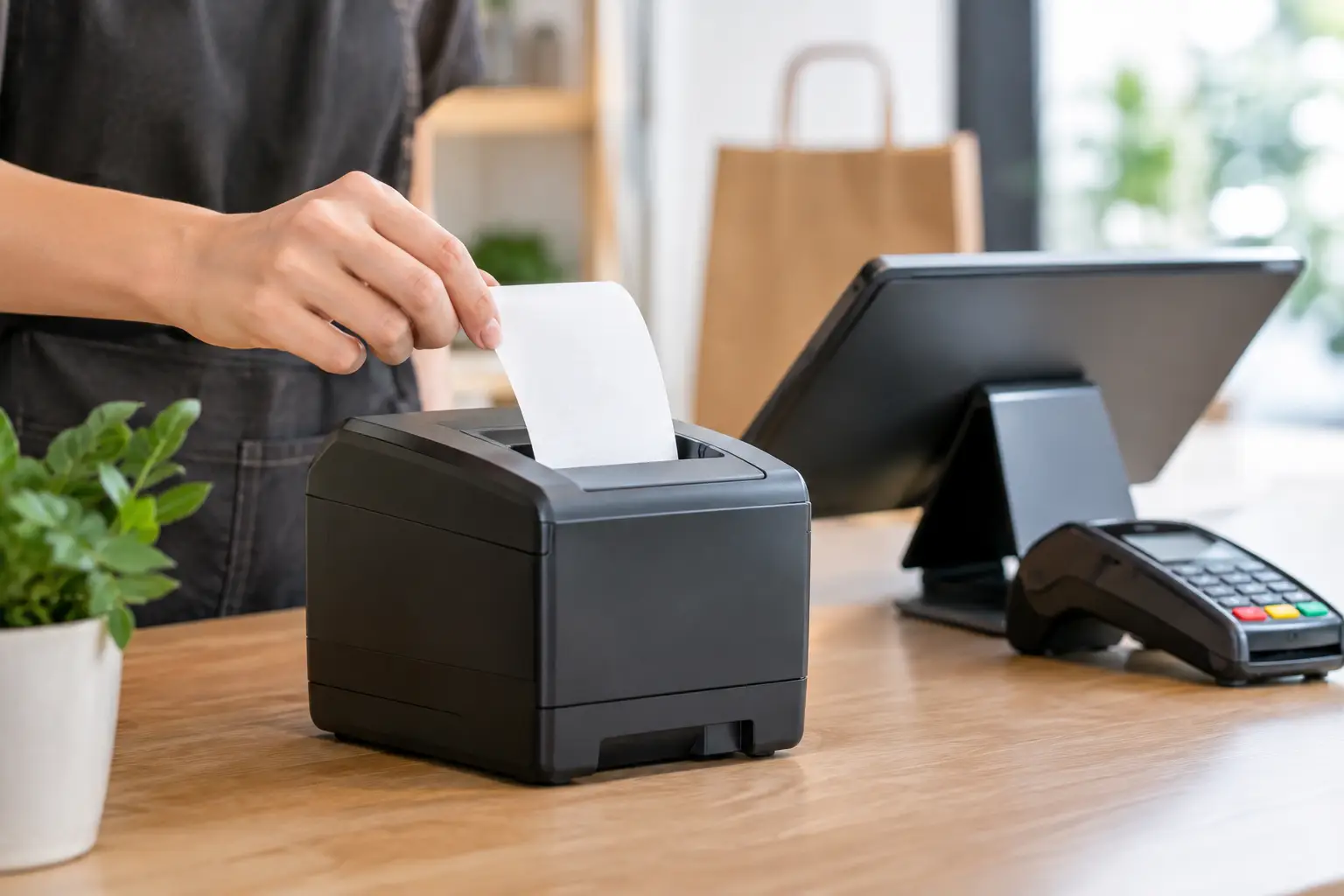
This approach is particularly useful for venues handling dine-in, takeaway and delivery orders at the same time. It can help teams prioritise correctly and reduce the chance of a docket being lost, damaged or overlooked. However, it is not always the right choice for every operation. Smaller kitchens with a simple, low-volume menu may continue to work efficiently with reliable thermal printers and well-designed dockets.
The decision should come back to workflow. If a kitchen display system removes confusion and helps staff manage volume, it can be worthwhile. If it creates another screen without improving communication, a simpler setup may be the better investment.
Online Ordering and Order Aggregation
Online ordering remains a major part of hospitality operations, particularly for takeaway venues. Direct online ordering can reduce phone interruptions and give customers a convenient way to place orders. At the same time, third-party delivery platforms may broaden reach, although commissions and menu management can affect margins.
One of the more useful hospitality technology trends is the effort to bring orders from multiple channels into one POS or kitchen workflow. When counter orders, website orders and delivery-platform orders are managed separately, staff can spend too much time re-entering information or checking several devices. Integration can reduce double handling and improve order accuracy.
It is worth checking exactly what an integration does before committing. Some connections pass orders through automatically, while others still require manual confirmation or have limitations around modifiers, stock levels or reporting. A demonstration using the venue’s actual menu and order process is more valuable than a generic feature list.
Data That Helps Owners Make Practical Decisions
Hospitality systems now generate more sales data than many operators have time to review. The useful reports are generally the straightforward ones: sales by hour, popular items, voids, discounts, staff activity and product performance. These can help an owner see where queues form, whether promotions are working and which menu items may need attention.
Data should support decisions rather than become another administrative task. A daily sales summary may be enough for one venue, while a multi-site operator may need more detailed reporting across locations. The goal is to turn transaction information into actions, such as adjusting staff rosters, reviewing underperforming items or identifying unexpected wastage.
Good reporting also depends on clean setup. If products are entered inconsistently, staff use incorrect buttons or discounts are not tracked properly, the reports will be misleading. Staff training and clear procedures remain essential.
Connected Scales and Compliance
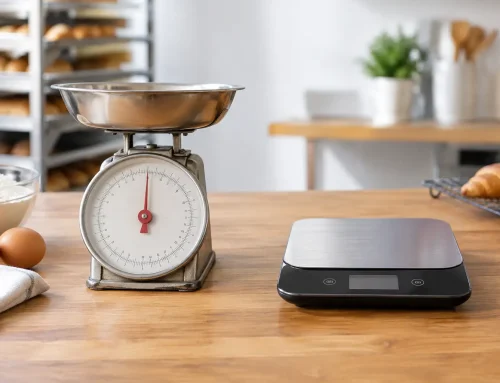
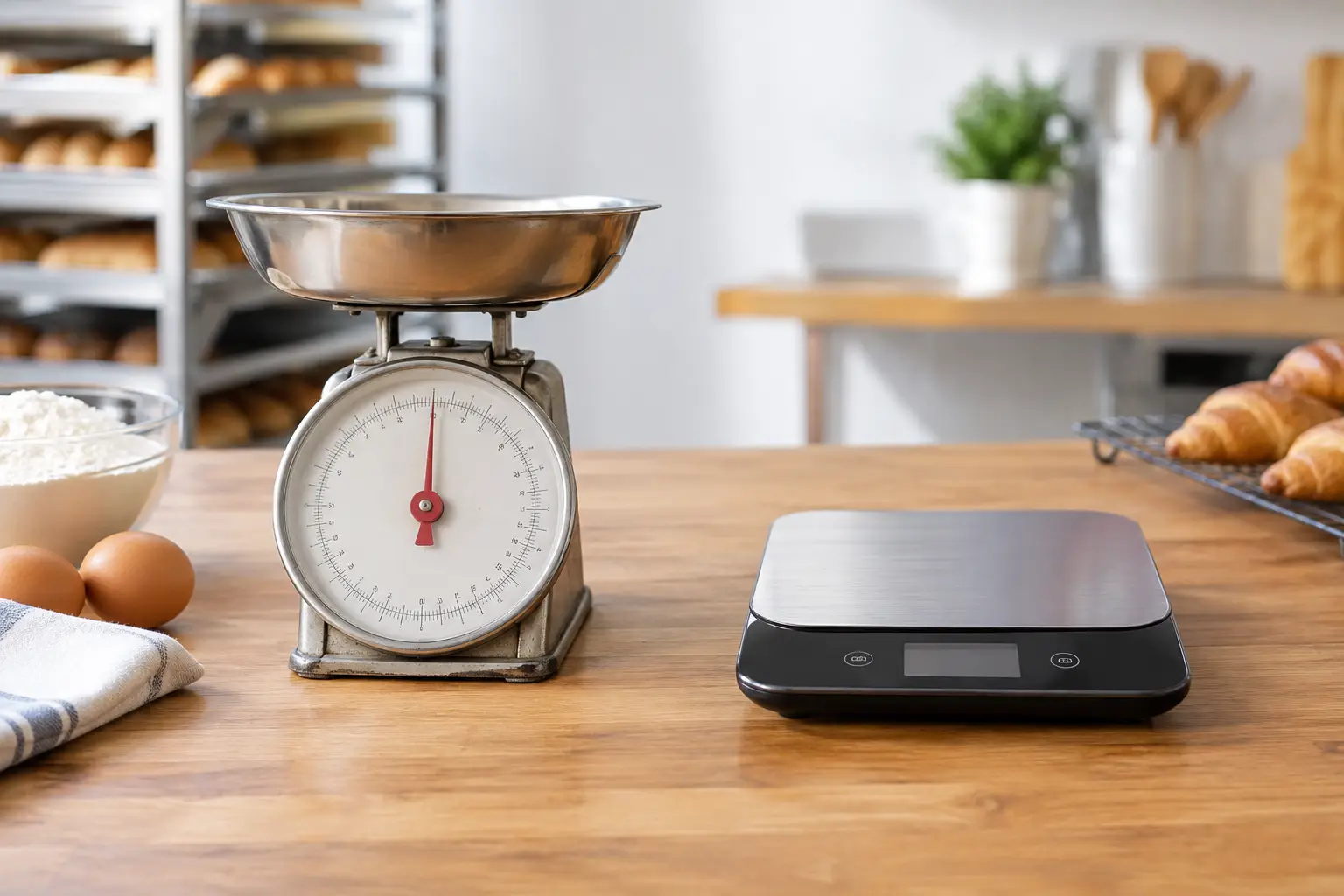
For delicatessens, butchers, fresh-food retailers and venues selling products by weight, trade-approved weighing equipment remains a critical part of the operation. Digital scales can improve speed and accuracy, particularly where product labels, pricing and POS processes need to work together.
Convenience should never come at the expense of compliance. Businesses using scales for trade need equipment that is suitable for the application and maintained correctly. Regular servicing, calibration and verification help protect customers, reduce disputes and keep the business operating with confidence.
This is an area where a connected system needs careful planning. The scale, label printer, POS and product database must be compatible and correctly configured. A technically capable supplier can help ensure the equipment fits the workflow rather than leaving staff to work around it.
Cyber Security and Reliable Networks
As more POS, payment, ordering and reporting tools connect to the internet, network reliability and security have become operational priorities. A poor Wi-Fi setup can interrupt payment processing, slow cloud POS access and prevent kitchen or ordering systems from communicating. It is frustrating for staff and immediately visible to customers.
Venues should use business-grade network equipment, secure passwords, controlled user access and regular software updates. Guest Wi-Fi should be separated from business devices where possible. It is also wise to ask what happens if the internet connection fails. Some systems can continue trading in a limited offline mode, while others cannot process key functions without a live connection.
A clear recovery plan is just as important as prevention. Staff should know who to call, where backup procedures are kept and how to continue serving customers if a terminal, printer or network connection fails.
Choose Technology That Your Team Can Support
The most effective hospitality setup is rarely the one with the longest feature list. It is the combination of POS, payment, printing, networking and support that suits the venue’s pace of trade and can be maintained over time.
At EBE, the focus is on supplying and supporting practical business technology that keeps local operators trading. That can mean designing a new POS setup, repairing a failed printer, configuring a connected scale or providing ongoing support after installation. For hospitality businesses, dependable technology is not about chasing every new trend. It is about giving your team the tools to serve the next customer properly, even when the venue is flat out.



Leave A Comment
You must be logged in to post a comment.