
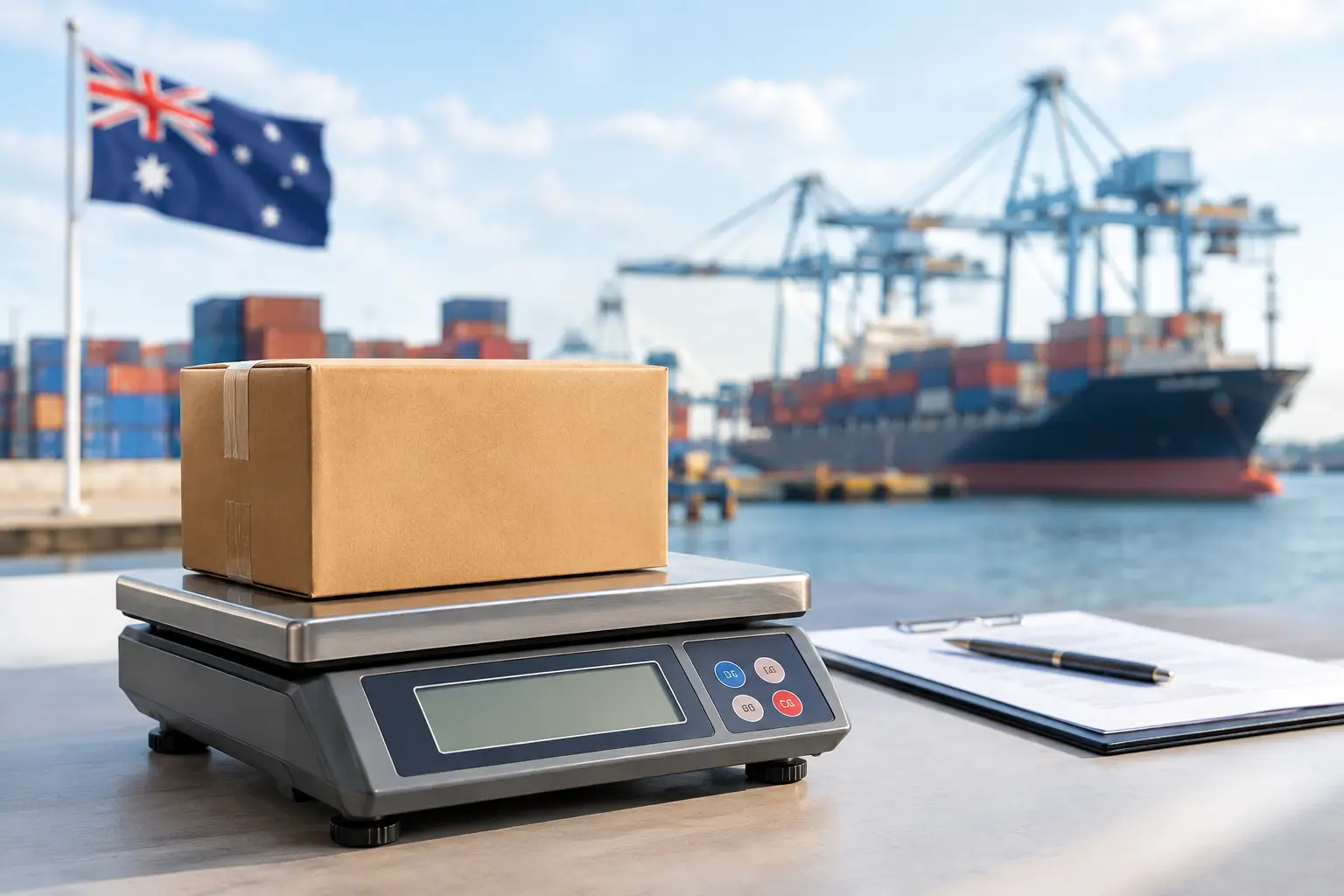
A $30 digital scale can be perfectly lawful on a kitchen bench, in a storeroom or for portion control. Put that same scale beside a till and use its reading to charge a customer, and the question changes: are digital scales legal for that particular use? For Australian businesses, legality is less about whether the scale has a digital display and more about whether it is approved, verified and suitable for trade.
If you sell products by weight, use weight to calculate a price, or rely on a scale reading in a transaction, trade measurement rules apply. Getting this right protects your customers, your reputation and your business from avoidable compliance issues.
Are digital scales legal in Australia?
Yes, digital scales are legal in Australia. However, a digital scale used for trade generally needs to be an approved type and verified before it is put into service. This is governed nationally under Australia’s trade measurement framework, administered by the National Measurement Institute (NMI).
The key distinction is simple. A scale used internally, such as checking incoming stock, weighing ingredients for a recipe, monitoring portions or weighing parcels where the customer is not charged from that reading, may not be a trade measuring instrument. It can still be sensible to use an accurate, reliable model, but trade approval is not automatically required.
A scale is being used for trade when its measurement determines, or helps determine, what a customer pays or receives. Common examples include a butcher charging per kilogram, a deli weighing salads or cheese, a fruit shop selling produce by weight, and a market stall pricing confectionery from a scale reading.
It also matters where the transaction happens. A mobile business, pop-up stall, food truck or event operator has the same responsibility to use compliant equipment when trading by weight as a permanent shop does.
What makes a digital scale legal for trade?
For trade use, the scale must be fit for purpose as well as legally compliant. In practical terms, businesses should look for an NMI-approved model that has been verified for use in trade. Approval confirms that the scale type meets the relevant design and performance requirements. Verification checks the individual instrument and confirms it is accurate within permitted tolerances when installed and ready for use.
A compliant scale will carry the required approval and verification markings. These markings are not decorative labels. They are evidence that the equipment can be used in a transaction where weight affects price.
Buying a scale advertised as “commercial”, “retail” or “high precision” is not enough on its own. Those descriptions may indicate build quality or intended use, but they do not guarantee the model is approved for trade in Australia. Similarly, a scale that is approved overseas is not necessarily approved for Australian trade use.
The scale must also suit the job. Capacity, readability and platform size all matter. A café weighing small amounts of coffee needs a different instrument from a seafood retailer weighing larger orders. If the scale’s minimum capacity is too high for the quantities being sold, or its display increments are too broad for the price calculation, it may not be suitable even if it is an approved model.
Approval and verification are not the same thing
These terms are often used together, but they refer to separate requirements. Type approval relates to the scale model. Verification relates to the actual unit installed in your business.
Think of it this way: an approved model gives you the right starting point, while verification confirms that your specific scale is performing correctly where you use it. A scale can lose its verified status if it is repaired, altered, relocated in some circumstances or has a verification mark that is damaged or broken.
That is why it pays to involve a qualified trade measurement service provider before placing a new scale into service, particularly if it is being integrated with a point-of-sale system or a label printer.
When trade-approved scales matter most
The most obvious example is direct retail sale by weight, but compliance can affect more business types than people expect. It is relevant wherever the weight shown to the operator or customer becomes part of the transaction.
For example, a takeaway shop may use a scale only to keep serving sizes consistent. If every meal is sold at a fixed price, that is generally an internal operational use rather than a sale by weight. If the same business sells a customer 250 grams of sliced meat at a per-kilogram price, the scale becomes a trade instrument for that sale.
Pre-packed goods can be more nuanced. If products are packed and labelled by weight, businesses still need accurate processes and suitable equipment to ensure the declared quantity is correct. The right compliance approach depends on how the goods are packed, labelled and sold. This is a worthwhile area to check with a qualified provider rather than making assumptions based on how another business operates.
Businesses that commonly need trade-approved scales include butcher shops, bakeries, delicatessens, grocers, seafood retailers, health food stores, confectionery stores, markets and mobile food operators. Warehouses and manufacturers may also need compliant weighing equipment where measurements form part of a commercial transaction.
Why a consumer scale is a risky shortcut
Consumer kitchen scales are useful tools, but they are not designed to carry the compliance burden of selling by weight. They may drift, be affected by low batteries, lack appropriate markings, or offer resolution that is unsuitable for the quantities and prices being charged.
The risk is not limited to an inaccurate reading. A customer may question a price, staff may apply the wrong tare weight, or a scale may be used on an uneven counter after a busy service. These small operational issues can quickly create lost margin or customer dissatisfaction.
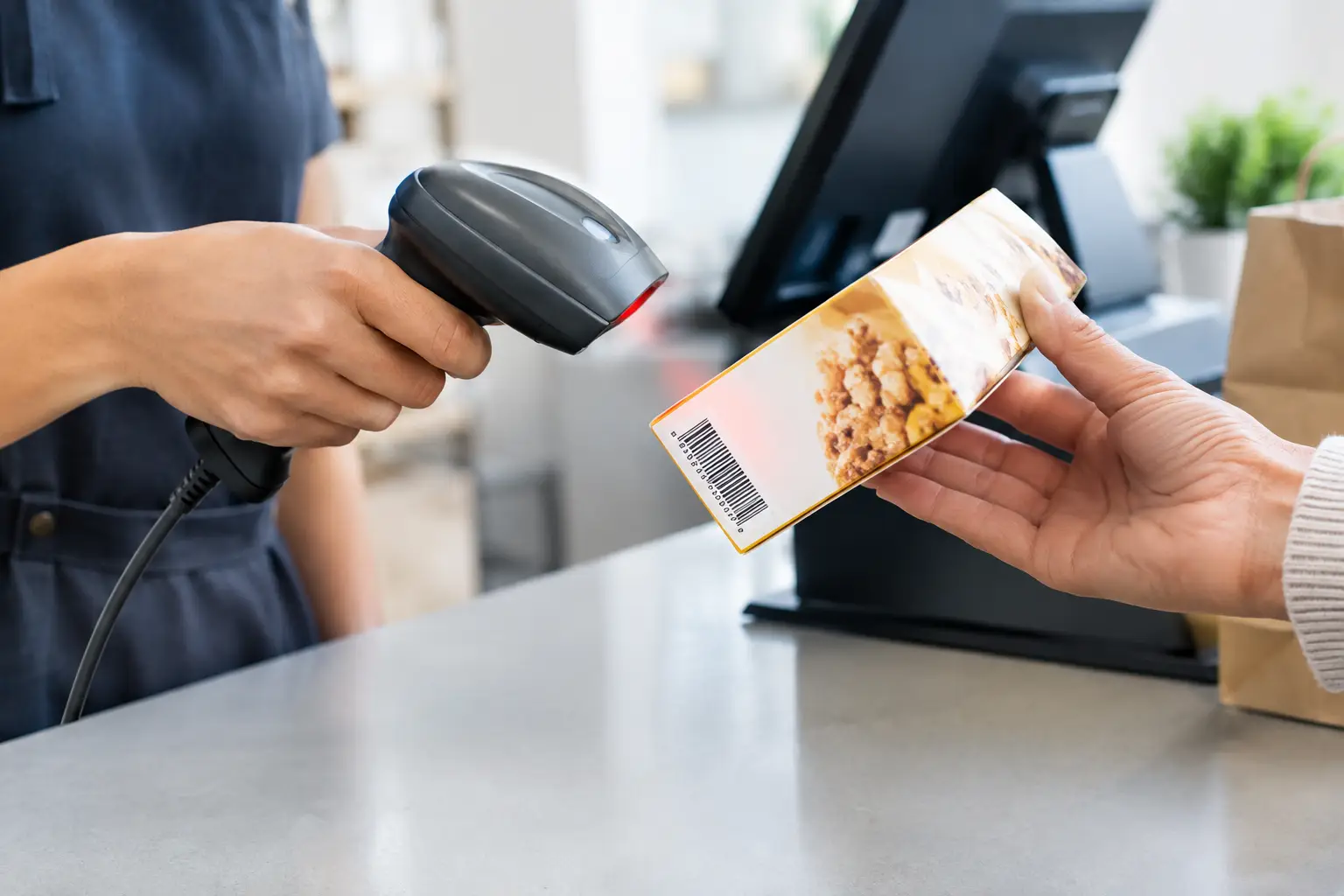
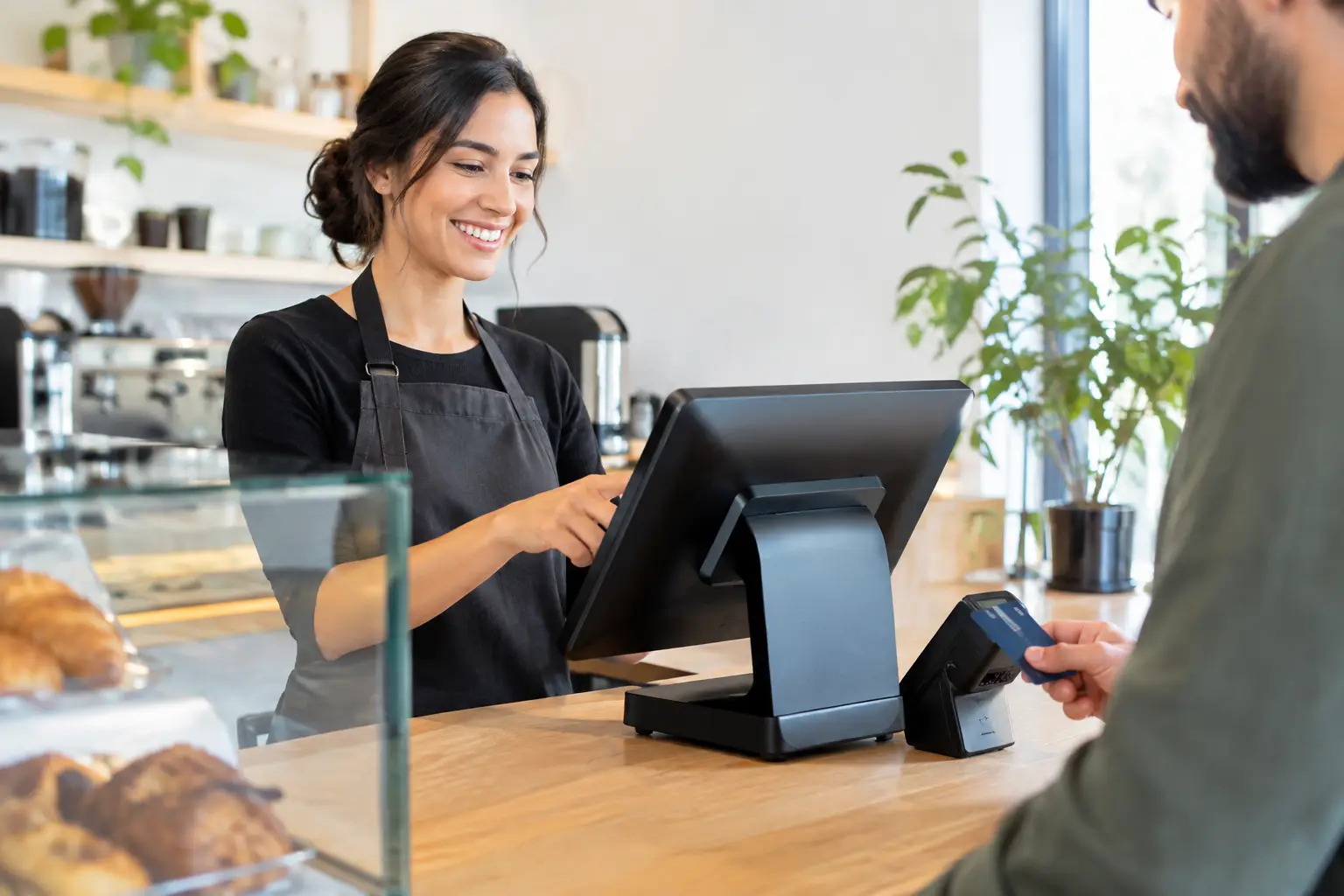
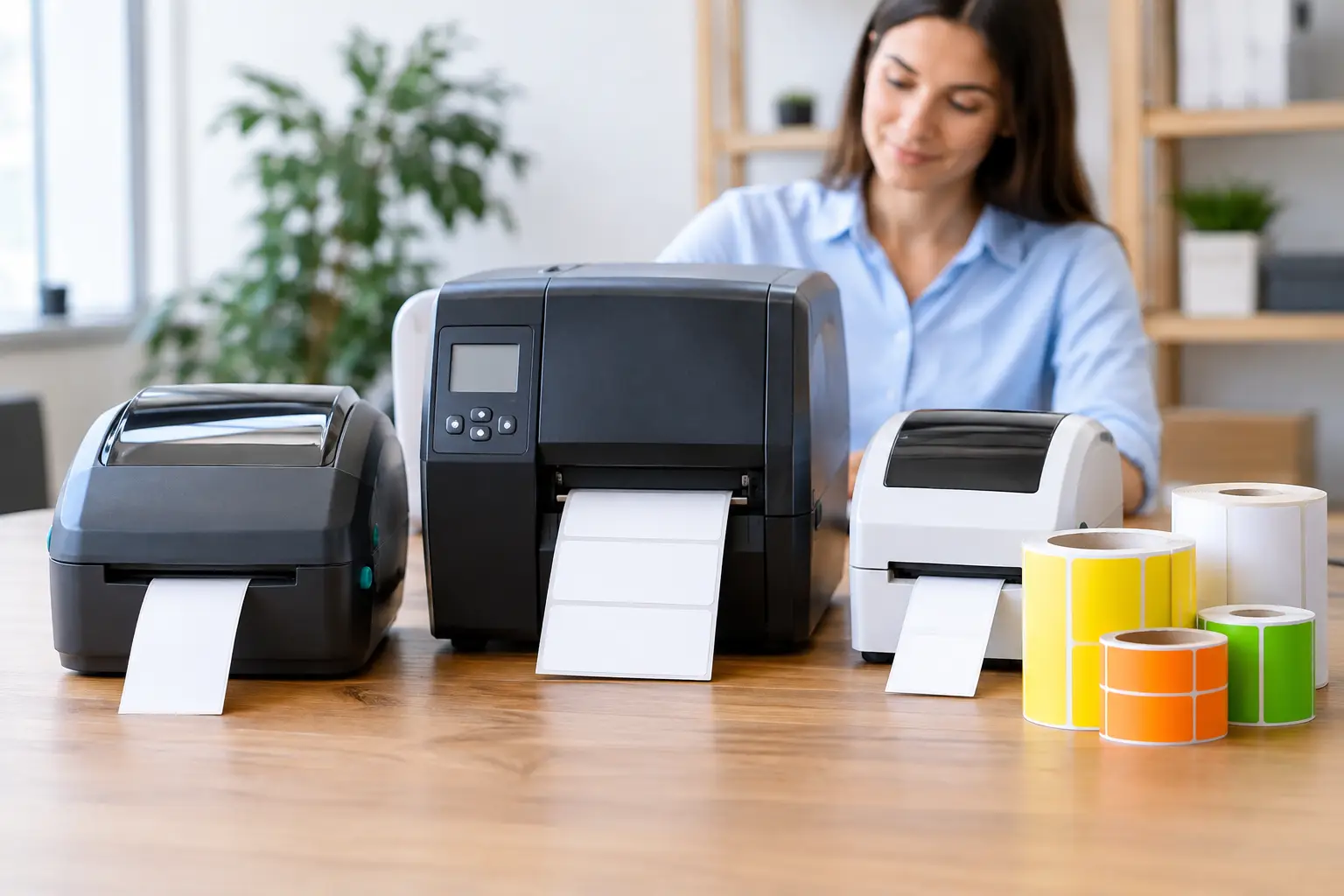
For businesses using a POS system, there is another consideration: the information passed from the scale to the register or label printer must remain accurate. A well-configured setup reduces manual entry, speeds up service and helps prevent simple mistakes at the counter. But the scale, cable connection, software settings and product database all need to work together properly.
Keeping a verified scale accurate in daily use
Verification is not a set-and-forget task. Daily care helps maintain accuracy and makes it easier to spot a problem before it affects customers. Start by placing the scale on a firm, level surface away from vibration, draughts and heat sources. Keep the platform clean, do not overload it, and check that the display returns to zero before each use.
Tare functions are valuable for deducting the weight of trays, bags and containers, but staff need to use them consistently. A forgotten tare can mean customers are charged for packaging, while an incorrect preset can quietly erode margin across a full day of trading.
It is also good practice to carry out routine checks with suitable test weights and to record any issues. If the scale is unstable, does not return to zero, displays an error, has physical damage or appears inconsistent, stop using it for trade until it has been assessed. Do not try to adjust sealed or verified equipment yourself.
Repairs and servicing should be handled by technicians who understand trade measurement requirements. A general repair may restore a display or replace a component, but trade-use equipment may need further verification before it returns to service.
Choosing the right setup for your business
The right scale is not always the most expensive one. It is the one that matches your product range, expected volumes, workspace and point-of-sale workflow. A busy deli may benefit from a retail scale with an operator display, customer display and label-printing capability. A market operator may need a portable, battery-powered approved scale that remains practical through a long trading day. A production kitchen may need bench scales for internal portioning as well as a separate verified scale for retail sales.
Before purchasing, be clear about what is being weighed, the smallest and largest quantities sold, whether customers need to see the weight, and whether the scale must connect with your POS or label printer. These details prevent costly rework after installation.
For Southeast Queensland businesses, Electronic Business Equipment can help assess the application, supply suitable trade-approved equipment, install it correctly and arrange calibration, verification, servicing and ongoing support. That local support matters when a scale fault is holding up a counter queue or a market day.
A compliant scale should make trading easier, not add another task to an already busy day. Choose equipment that suits the transaction, keep it maintained, and ask for advice before using any scale to set a customer’s price.








Leave A Comment
You must be logged in to post a comment.