
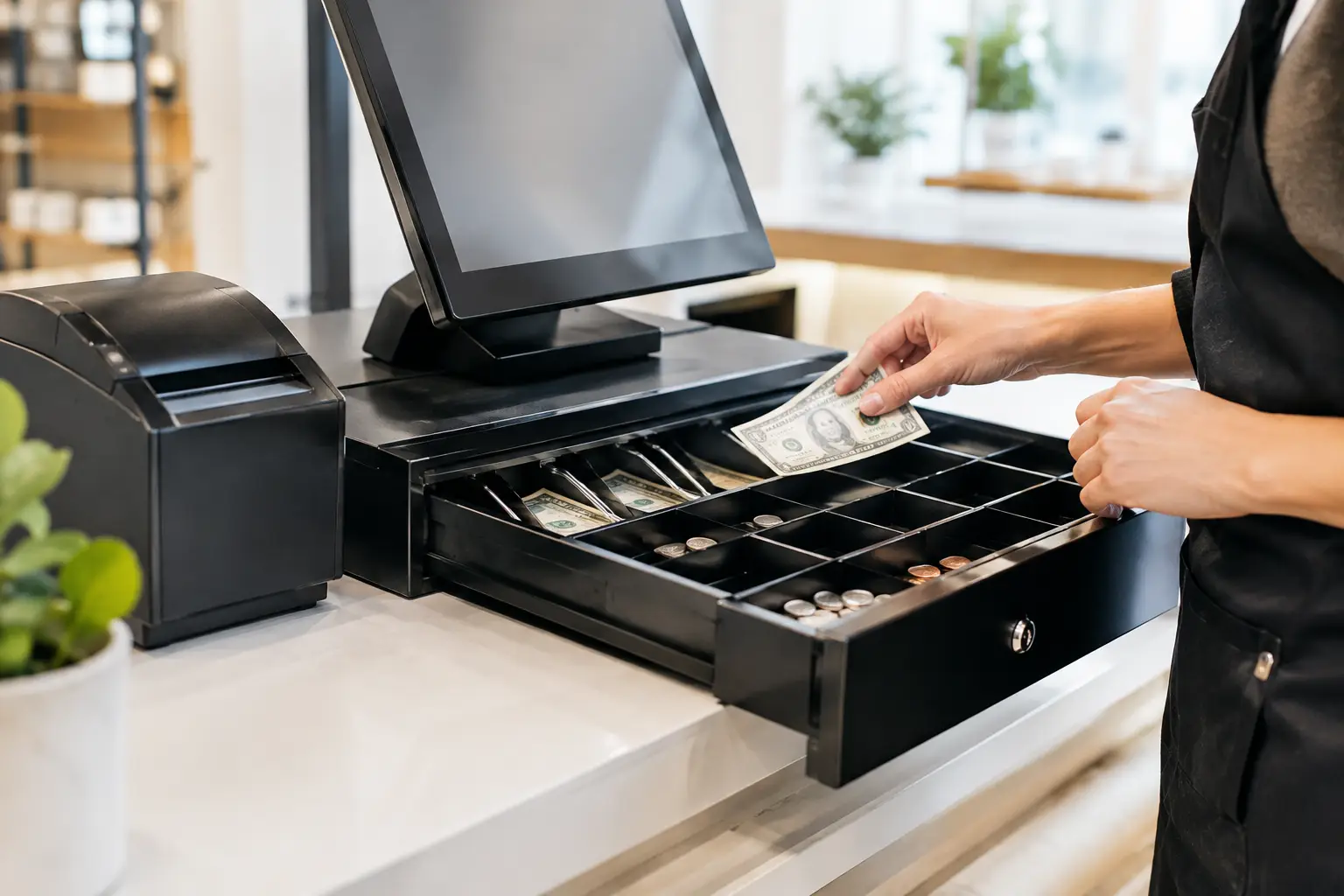
When the lunch rush starts or a retail queue builds, cash drawers need to open first time, close securely and keep pace with every sale. It is a small part of the counter, but a poor-quality or poorly matched drawer can slow staff down, create reconciliation issues and leave takings less secure.
For cafes, takeaway shops, retailers, market operators and service counters across Southeast Queensland, the right cash drawer is not simply a box for notes and coins. It is a working part of the point-of-sale system. Selecting one should come down to how your business trades, where it sits, what it connects to and who will support it if something goes wrong.
Start with the way your counter operates
The best drawer for a busy café is not always the best choice for a boutique retailer or mobile event setup. Before looking at sizes or finishes, consider how cash is handled during a normal shift. How often is the drawer opened? Is it operated by a POS terminal, a receipt printer or manually with a key? Does the counter have room for a full-size model? Are staff taking payment from one fixed register or several stations?
A high-volume food venue usually needs a heavy-duty drawer that can withstand frequent opening and closing. A low-volume service desk may be well served by a smaller model, particularly where bench space is limited. For a market stall, portability and a secure manual lock may matter more than integration with a fixed counter system.
Cash handling procedures matter too. If multiple team members use the same till, a drawer with removable inserts can make end-of-shift reconciliation easier. If cash floats are moved between registers, spare inserts may reduce changeover time. The goal is not to buy the largest or most expensive option. It is to choose equipment that removes friction from the way your team already works.
Choosing cash drawers for your POS setup
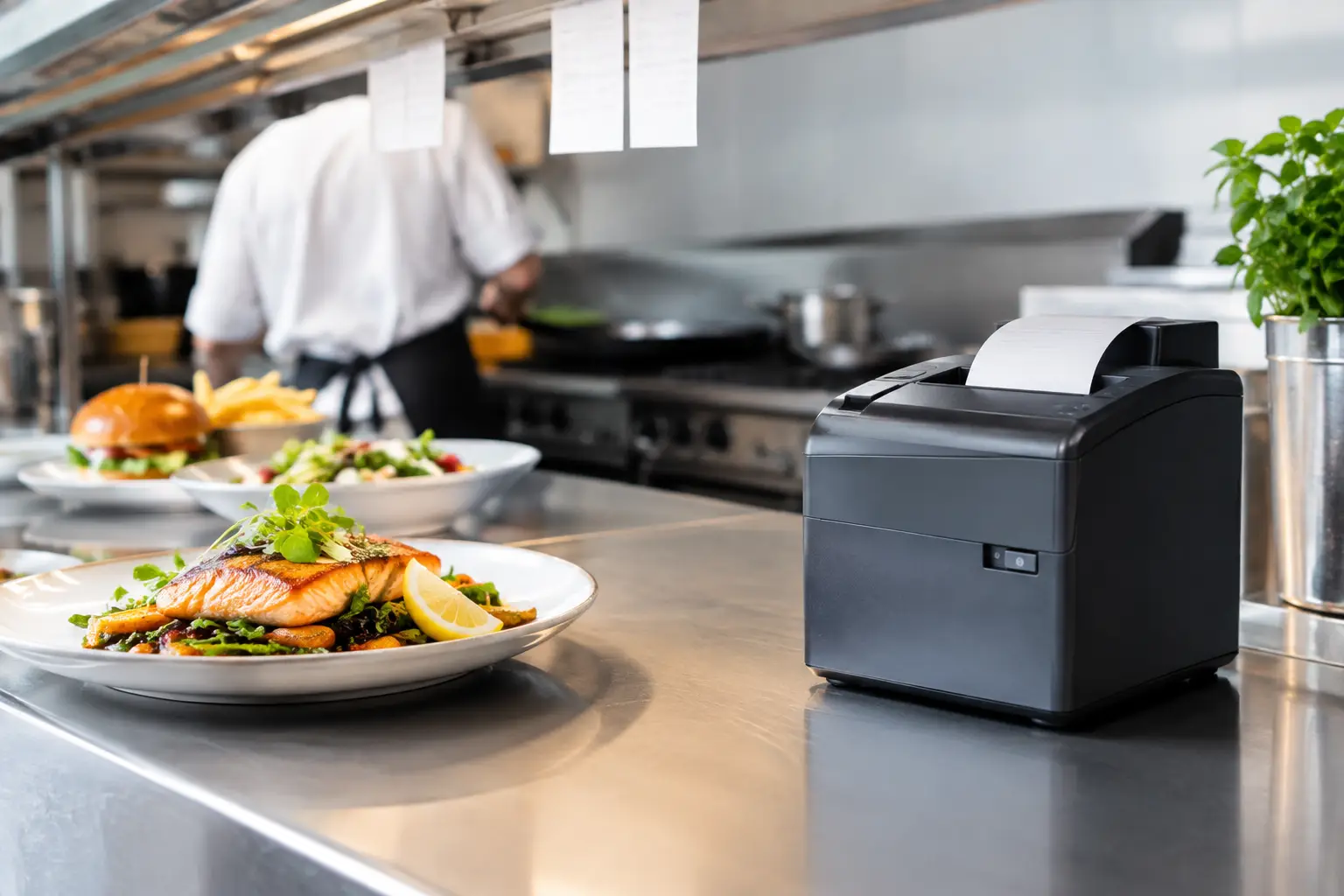
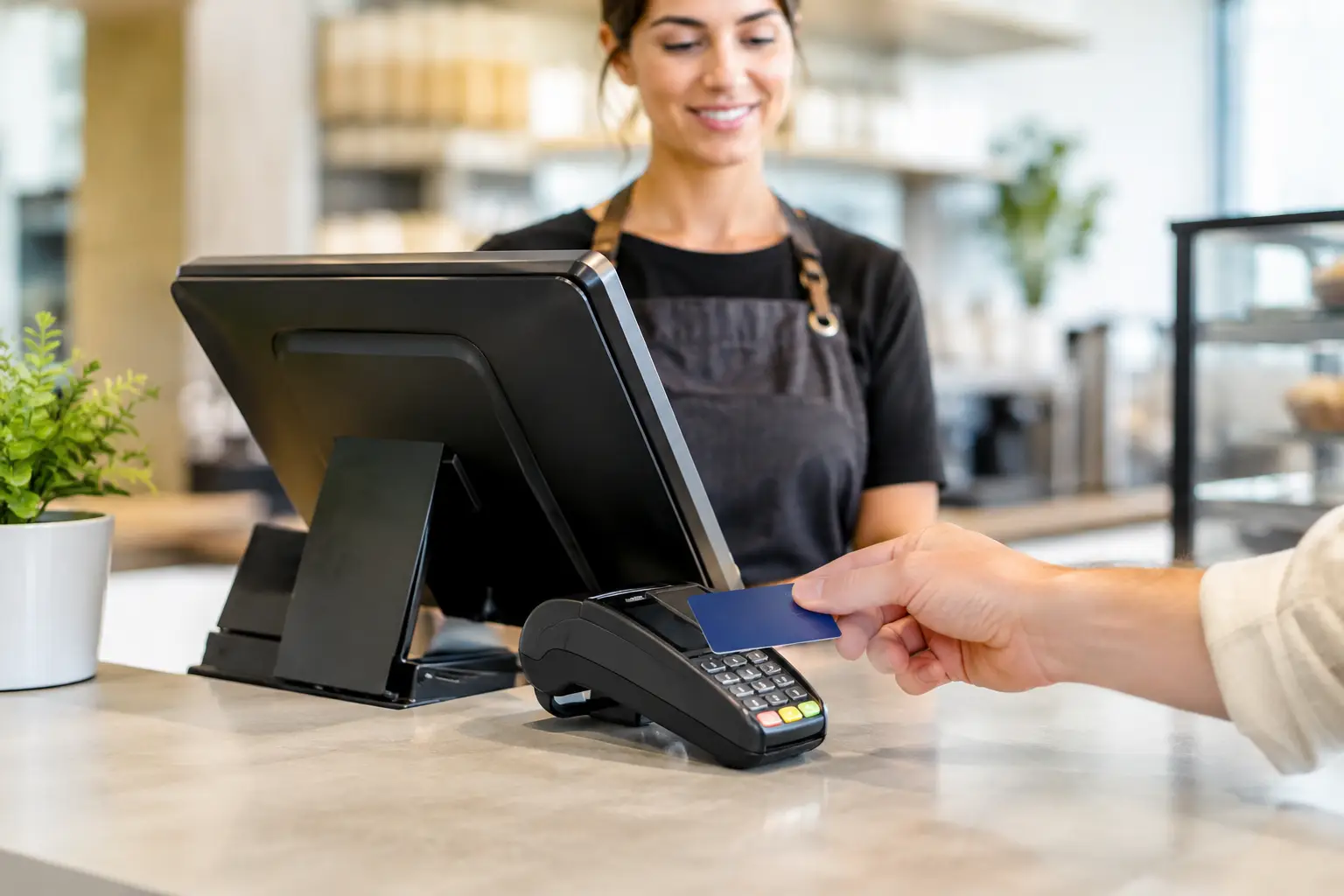
Most electronic cash drawers connect through a receipt printer or POS hardware using an RJ-style kick-out connection. When a sale is finalised, the POS sends a signal to the printer, which triggers the drawer to open. This arrangement is common, reliable and keeps the counter operation simple for staff.
Compatibility should be checked before purchase. A drawer may have the right connector but still require the correct cable wiring, printer port or software configuration. A new POS terminal, printer or payment workflow can also affect how the drawer operates. Assuming that any drawer will work with any system can lead to unnecessary delays at installation.
Manual cash drawers have a place as well. They are useful for mobile operators, temporary counters, locations without a receipt printer or businesses that need a secure backup during a system outage. They generally open by key or push mechanism rather than an electronic signal. The trade-off is that manual opening can provide less control over when the drawer is accessed, so sound staff procedures are especially important.
If your business uses integrated POS software, ask whether the system can record drawer opens that occur outside a sale. This can help managers identify training needs or investigate discrepancies. Technology supports accountability, but it does not replace a clear cash-up process at the end of each shift.
Size, layout and counter space
Full-size drawers are a practical choice for many fixed retail and hospitality counters. They generally provide room for multiple note compartments, coin sections, receipts and vouchers. They suit businesses handling a regular volume of cash or needing a more generous float.
Compact and mini cash drawers suit smaller counters, kiosks and businesses where card payments make up most transactions. Their smaller footprint can be valuable, but check that the note and coin layout still suits the denominations your staff handle. A drawer that is too small may become untidy during a busy service period, which defeats the purpose of saving space.
Also measure the available area carefully, including clearance for the drawer to open. A unit that fits under the counter may still foul a shelf, cable run or staff walkway when extended. Where space is tight, a secure under-counter mount can keep the work surface clear, provided it remains comfortable and safe for staff to use.
Build quality is a daily operating decision
Cash drawers are opened and shut hundreds of times in some venues. Light-duty hardware may be appropriate for an occasional-use counter, but it can wear quickly in a busy takeaway shop or retail store. Metal construction, reliable rollers or slides, a solid latch and a tested lock mechanism all contribute to longer service life.
Look closely at the internal insert as well. Adjustable coin compartments, sturdy note clips and removable trays can make a meaningful difference during service and cash-up. The insert is often the component staff interact with most, so it should hold notes securely without making change difficult to access.
A strong cabinet does not guarantee security on its own. The drawer should be positioned where staff can see it, access should be limited to authorised people and keys should be controlled. Leaving a spare key in an accessible place defeats the purpose of a lock. For venues with higher cash volumes, scheduled cash drops and a safe cash-handling routine are usually more effective than relying on the drawer alone.
Avoiding common cash drawer problems
A drawer that will not open is often blamed on the drawer itself, but the cause may be elsewhere. A loose cable, damaged printer port, incorrect POS setting, power issue or faulty receipt printer can interrupt the kick-out signal. Checking the full connection path is usually faster than replacing hardware based on assumption.
Conversely, a drawer that opens unexpectedly may indicate a configuration issue, a damaged cable or a worn component. It should be investigated promptly, both for security and to prevent disruption at the counter. Forcing a jammed drawer can bend the mechanism and turn a repairable issue into a replacement job.
Keep the area around the drawer clean and free of loose coins, receipts and sticky spills. Hospitality environments are particularly hard on counter equipment. Small objects can work their way into moving parts, while moisture and residue can affect the drawer’s operation over time. A quick clean during regular counter maintenance is a practical safeguard.
It also helps to keep the key number and model details recorded somewhere secure. If a replacement key, insert, cable or repair is needed, those details can speed up the process. For a business that cannot stop trading, knowing who to call before a failure occurs is part of good operational planning.
Installation and support make the difference
A cash drawer should be tested as part of the complete checkout workflow, not simply plugged in and left on the counter. That means confirming it opens from the correct POS screen, works with the printer, has sufficient cable length, sits securely and can be used comfortably by staff. Team members should also know how to use the manual release or key safely if there is a temporary system problem.
This is where local technical support has real value. Electronic Business Equipment can help businesses select, install and support cash drawers as part of a complete POS setup, rather than treating the drawer as an isolated accessory. That approach is particularly useful when a business is replacing ageing equipment, adding a new register or trying to resolve recurring faults.
For many operators, the right answer is a dependable drawer matched to their existing printer and POS system. For others, the better outcome may be a new counter layout, a compact unit, additional till inserts or a replacement for hardware that is no longer worth repairing. Honest advice should account for the cost of downtime as well as the price of the equipment.
A cash drawer should disappear into the rhythm of service: open when it should, close securely and let staff focus on the customer in front of them. When it does not, early attention from an experienced technician can protect both your trading day and your peace of mind.





Leave A Comment
You must be logged in to post a comment.