
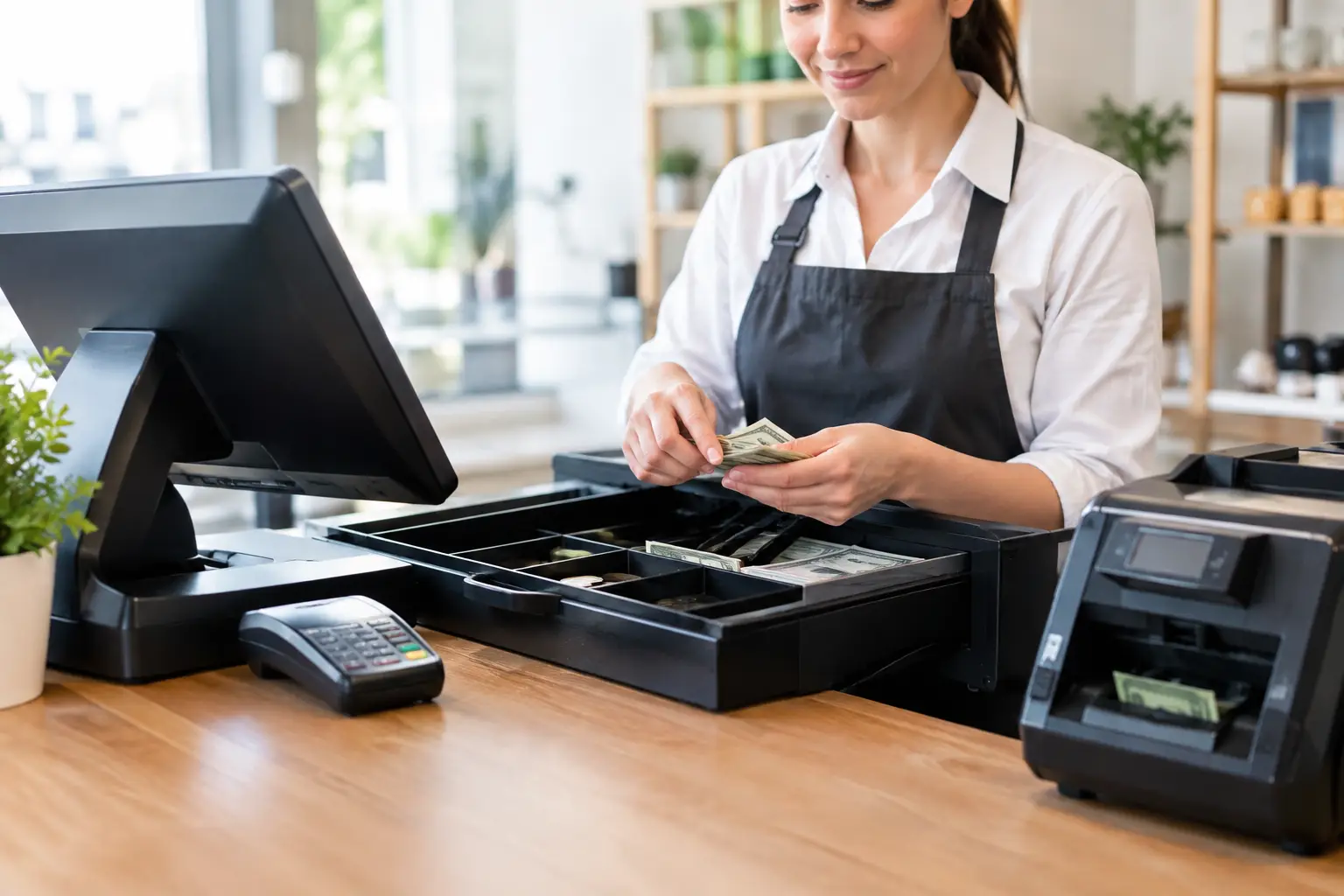
A till drawer that sticks during the lunch rush, a note counter that miscounts a float, or cash left unsecured after close can quickly turn a normal trading day into a costly distraction. This cash handling equipment guide is designed for Australian businesses that still accept cash and need it to move safely, accurately and efficiently through the counter, back office and banking process.
Cash may no longer be the only way customers pay, but it remains part of daily trade for many retailers, cafes, takeaway venues, market operators and hospitality businesses. The right equipment reduces reconciliation time, supports staff accountability and helps keep queues moving. The wrong equipment can create errors, hold up service and leave your business exposed to avoidable loss.
Start with how cash moves through your business
Before choosing equipment, map the journey of a $50 note from the moment it is handed over to the moment it is banked. For a small cafe, that journey may be short: receive payment, issue change, close the drawer, reconcile at day’s end. A busy retailer may have several registers, shift changes, refunds, cash drops and multiple staff handling the same till.
That difference matters. Buying the biggest or most feature-packed machine is not always the answer. The goal is equipment that matches your transaction volume, counter space, staffing model and security needs.
Consider how often you take cash, the average value of each sale, how many staff use a register, and whether you prepare floats or reconcile multiple tills. Also consider what happens when the system is down. A practical setup should allow your team to keep serving customers while faults are addressed, rather than bringing trade to a halt.
Cash drawers and registers: the working end of the counter
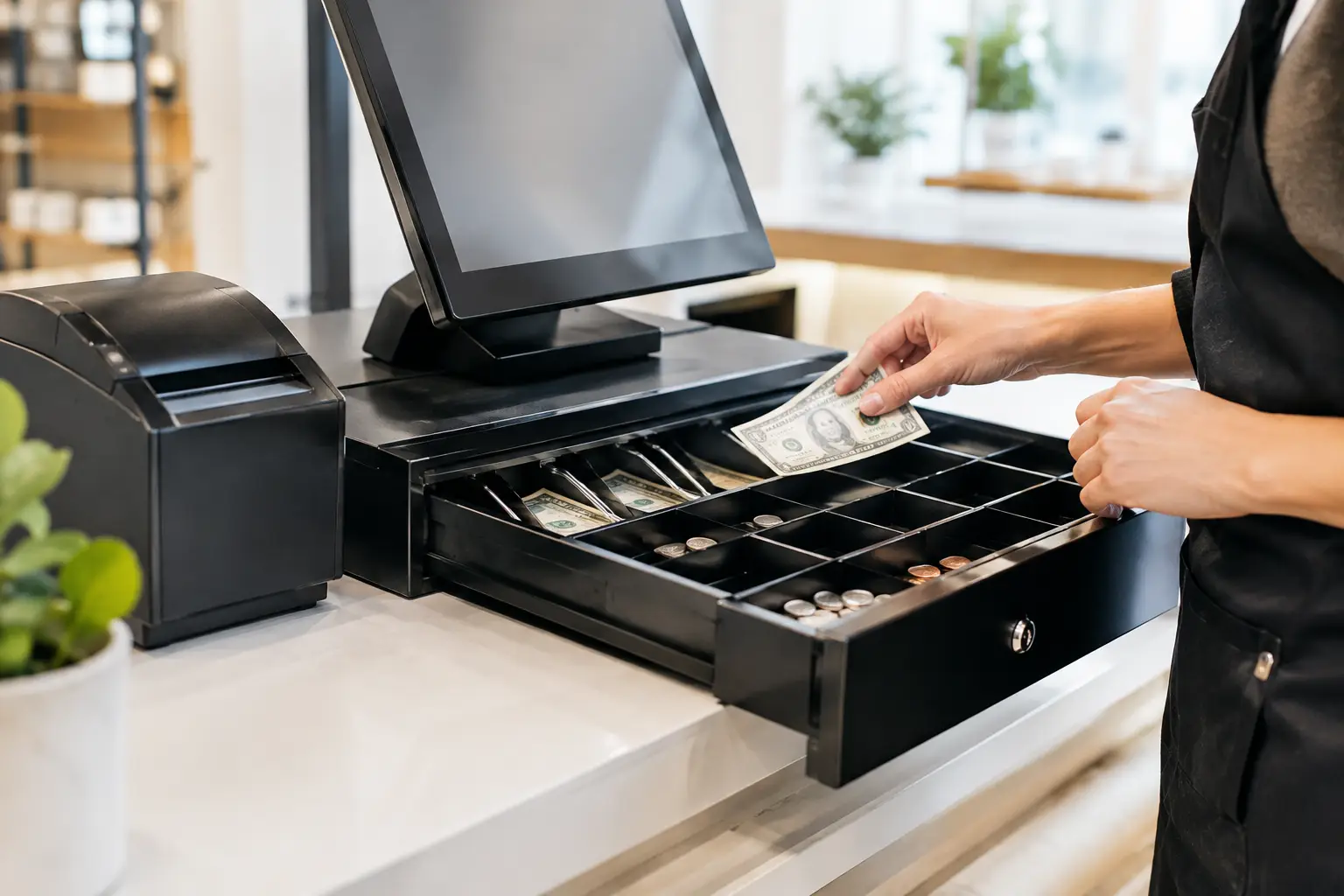
A cash drawer is often treated as a basic accessory, yet it works hard in a transaction-heavy business. It needs to open reliably, fit the denominations you use and connect correctly to your POS system or receipt printer.
For lower-volume operations, a compact drawer with a sensible note and coin layout may be enough. Businesses with frequent cash payments may benefit from a heavier-duty model with metal note clips, removable coin trays and a lockable insert that can be removed for shift handover. The practical benefit is simple: a staff member can take a full till to the back office without leaving the counter unattended.
A cash register can suit businesses with straightforward sales and limited stock control needs. However, where you need product tracking, staff reporting, customer receipts, kitchen printing or integrated EFTPOS workflows, a POS system with a compatible cash drawer is usually the more useful option. It gives you a clearer record of each transaction and makes end-of-day reconciliation less reliant on manual totals.
Compatibility should be checked before purchase. A drawer may use a printer-driven kick connection, a USB interface or another configuration. A drawer that physically fits the bench but does not communicate with the POS system is not a workable solution.
Choose drawer layouts around real trading patterns
Look at the notes and coins your team handles most often. If your business regularly receives $20 and $50 notes, those compartments should be easy to access. If you trade at markets or events, a portable cash register or lockable cash box may be more appropriate than a fixed counter drawer.
Security is also a balance. Too many open-drawer functions can make staff service easier, but they weaken accountability. Set up your POS permissions so drawers open for genuine transactions, authorised refunds and approved cash movements, with activity recorded against the right user.
Note counters and counterfeit detection
Counting cash by hand is slow, particularly after a busy weekend, event or promotion. It is also where simple errors creep in. A note counter can quickly count a bundle of notes and, depending on the model, identify mixed denominations and flag suspect notes.
For a small business banking modest amounts, a basic counter may be enough. For venues handling larger cash volumes, denomination counting and counterfeit detection can save substantial time at close. The machine should support Australian currency and be maintained properly, as dust and worn components can affect accuracy.
Counterfeit detection equipment should support – not replace – staff awareness. Train staff to check the basic security features of notes, follow a clear process for suspicious currency and avoid confrontations at the counter. Equipment can flag a concern, but your procedure determines how calmly and consistently the situation is handled.
Safes, cash drops and after-hours security
A secure cash drawer only protects money while it is at the register. If larger amounts remain in the till until closing time, the risk increases for both staff and the business.
A cash drop safe lets authorised staff deposit excess notes during a shift without providing access to the contents. This is particularly useful for busy hospitality venues, bottle shops, service counters and retailers with long opening hours. It reduces the amount of cash at the point of sale and limits how much money is available if an incident occurs.
The right safe depends on what you need it to protect against. A basic security safe may deter opportunistic theft, while a higher-rated unit may offer better resistance to attack or fire. Placement matters just as much as the safe itself. A unit that is visible, poorly fixed or accessible to every staff member does not provide the control you expect.
Set clear rules for cash drops, key or code access, and end-of-day collection. Restricting access is not about mistrusting staff. It creates a clean audit trail and protects everyone when a discrepancy needs to be investigated.
Printers, scanners and POS hardware still matter
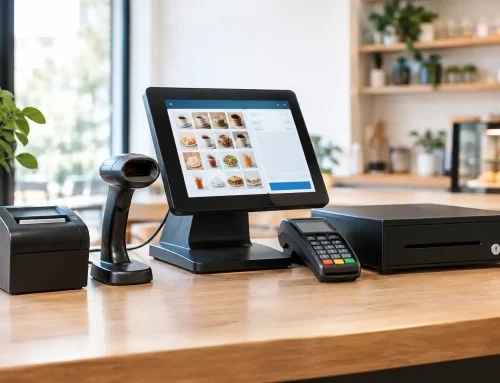
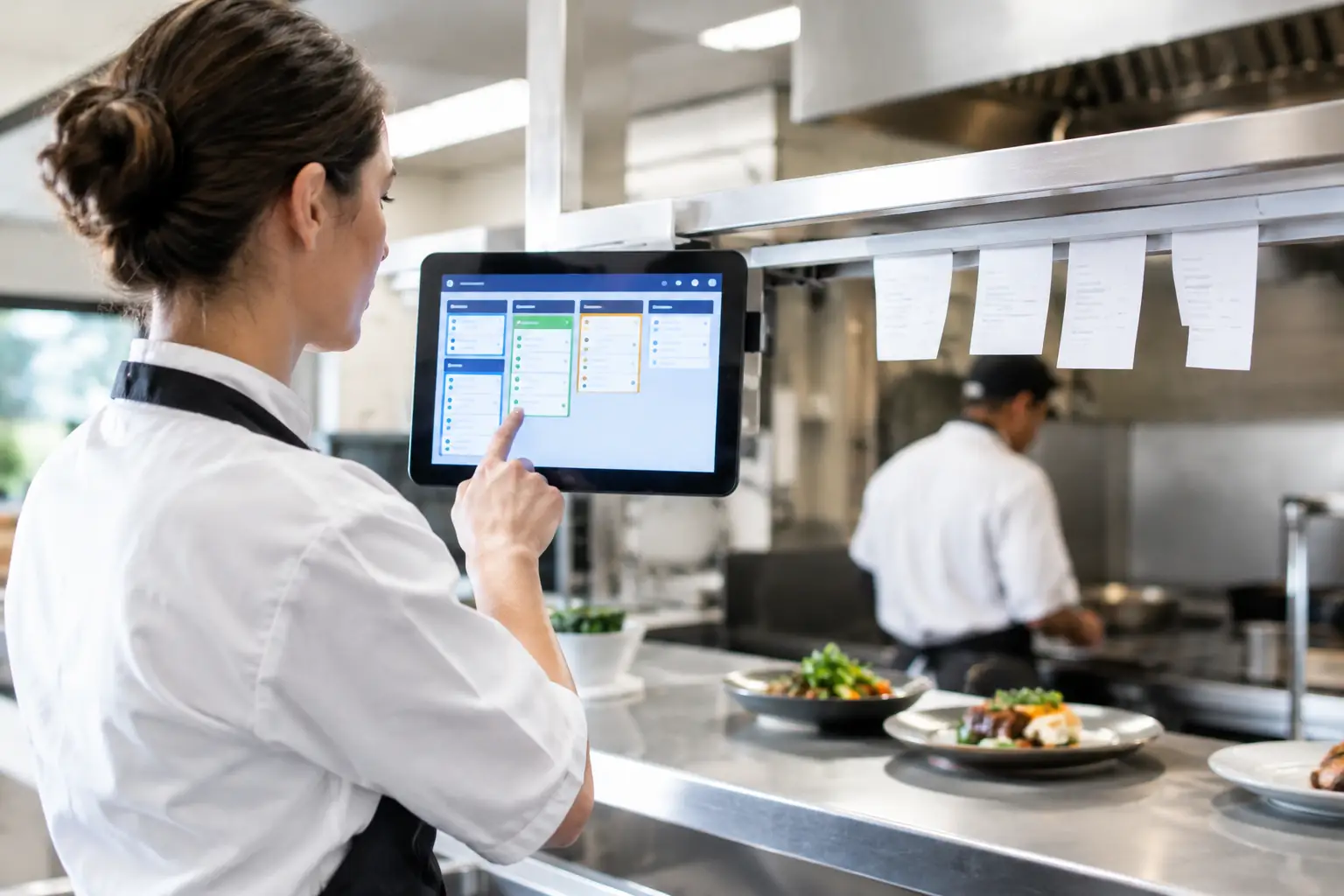
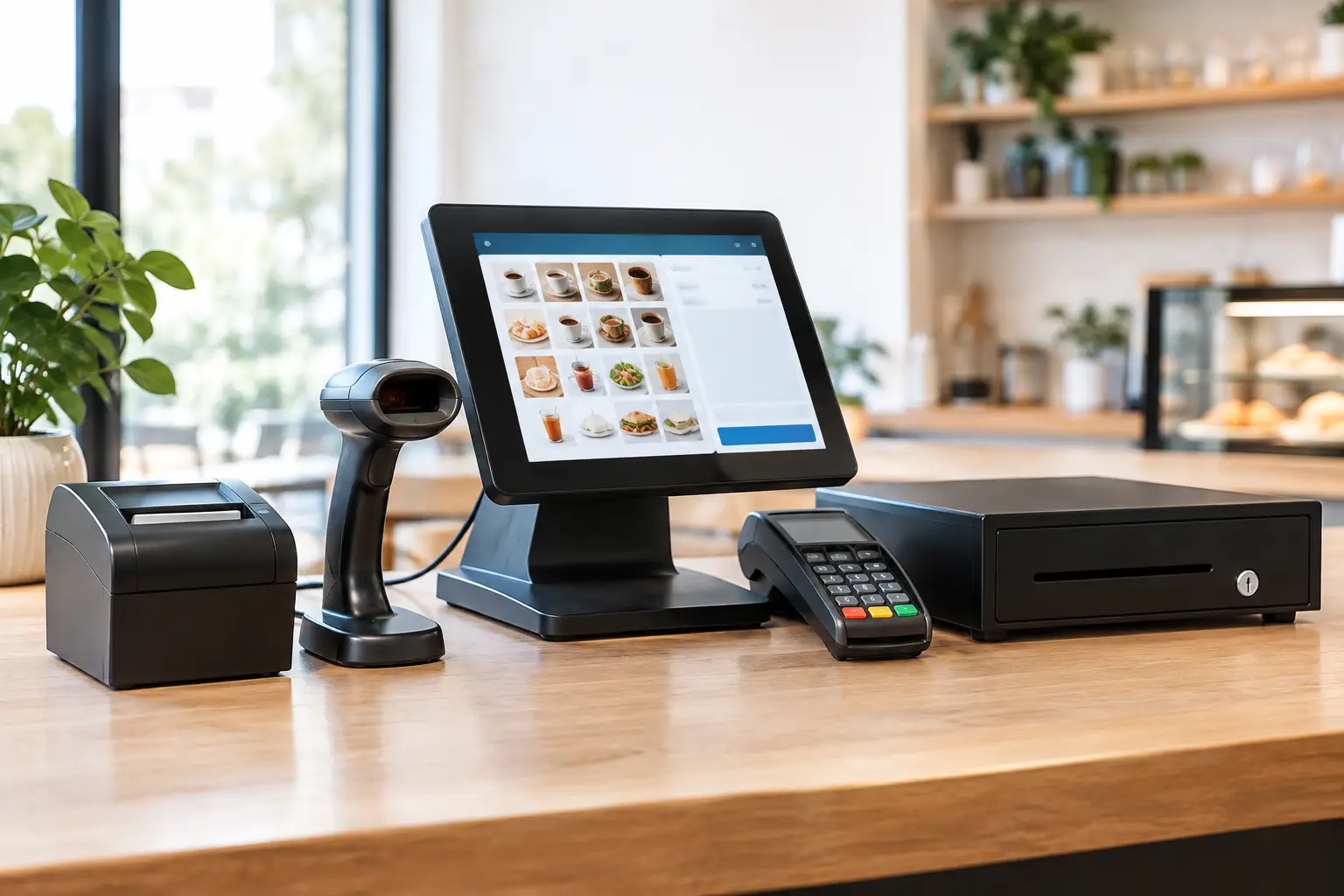
Cash handling does not sit apart from the rest of your counter equipment. The drawer, receipt printer, barcode scanner, POS terminal and network need to work as one system. A printer fault can stop a drawer opening. A poorly configured POS can produce unclear reports. An unstable network can interrupt sales records and make reconciliation harder than it should be.
For this reason, selecting equipment as a connected setup is often safer than sourcing each item separately. A local provider can assess bench space, cable routes, power points, software compatibility and workflow before installation. This avoids the common problem of a counter full of good individual devices that do not operate reliably together.
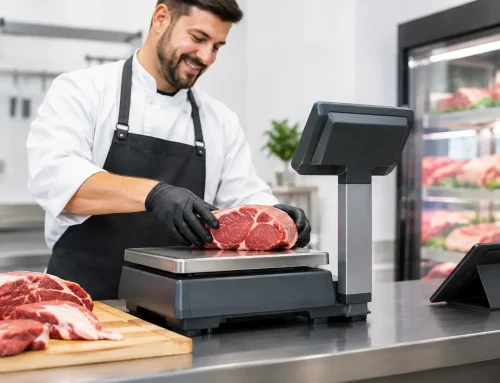
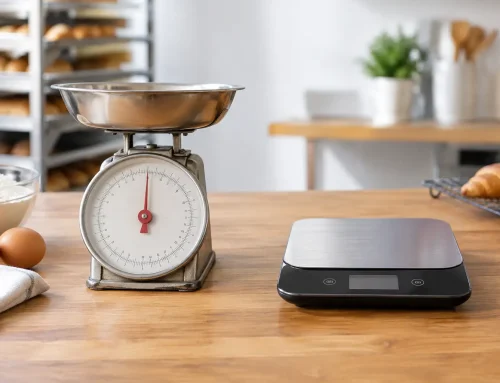
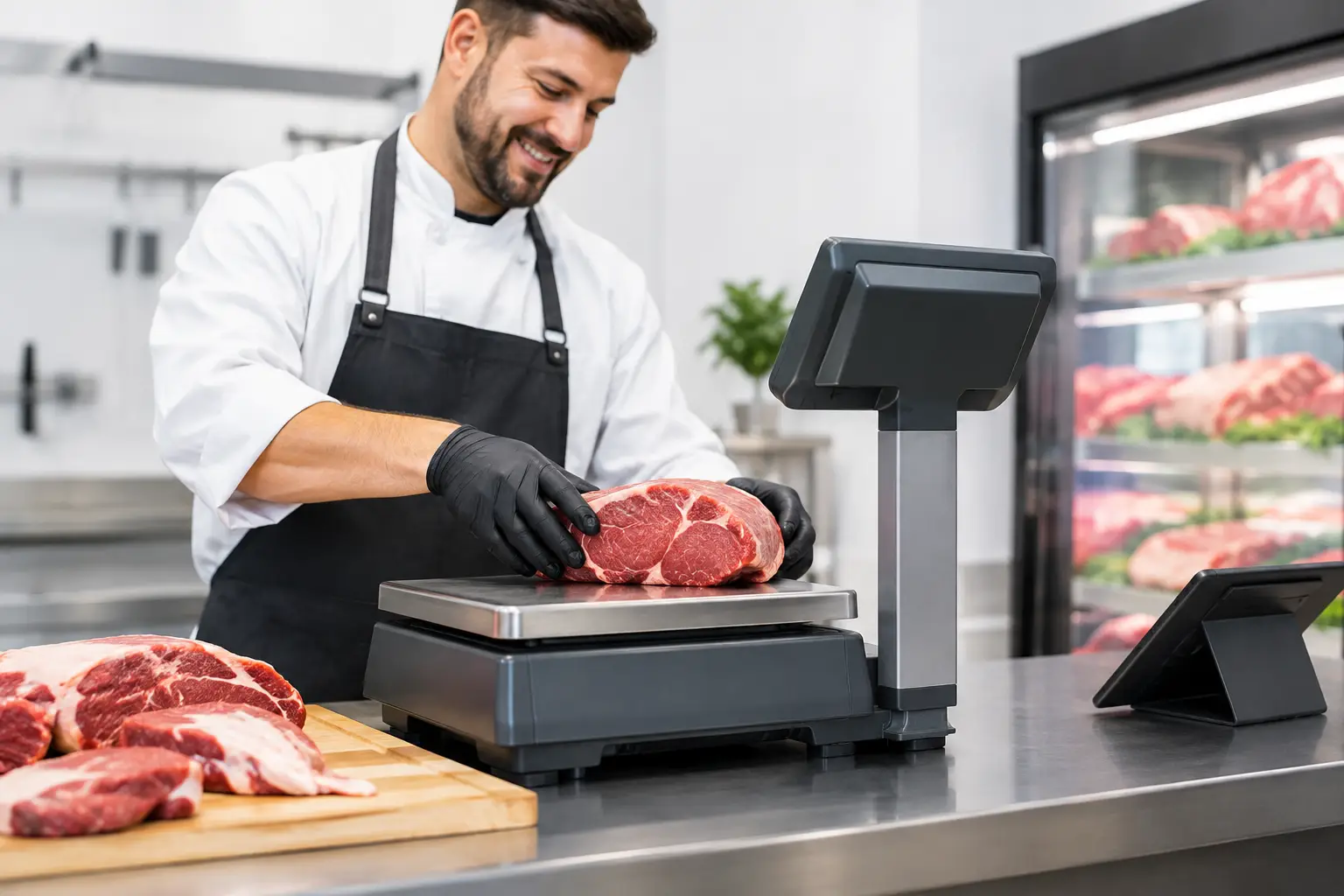
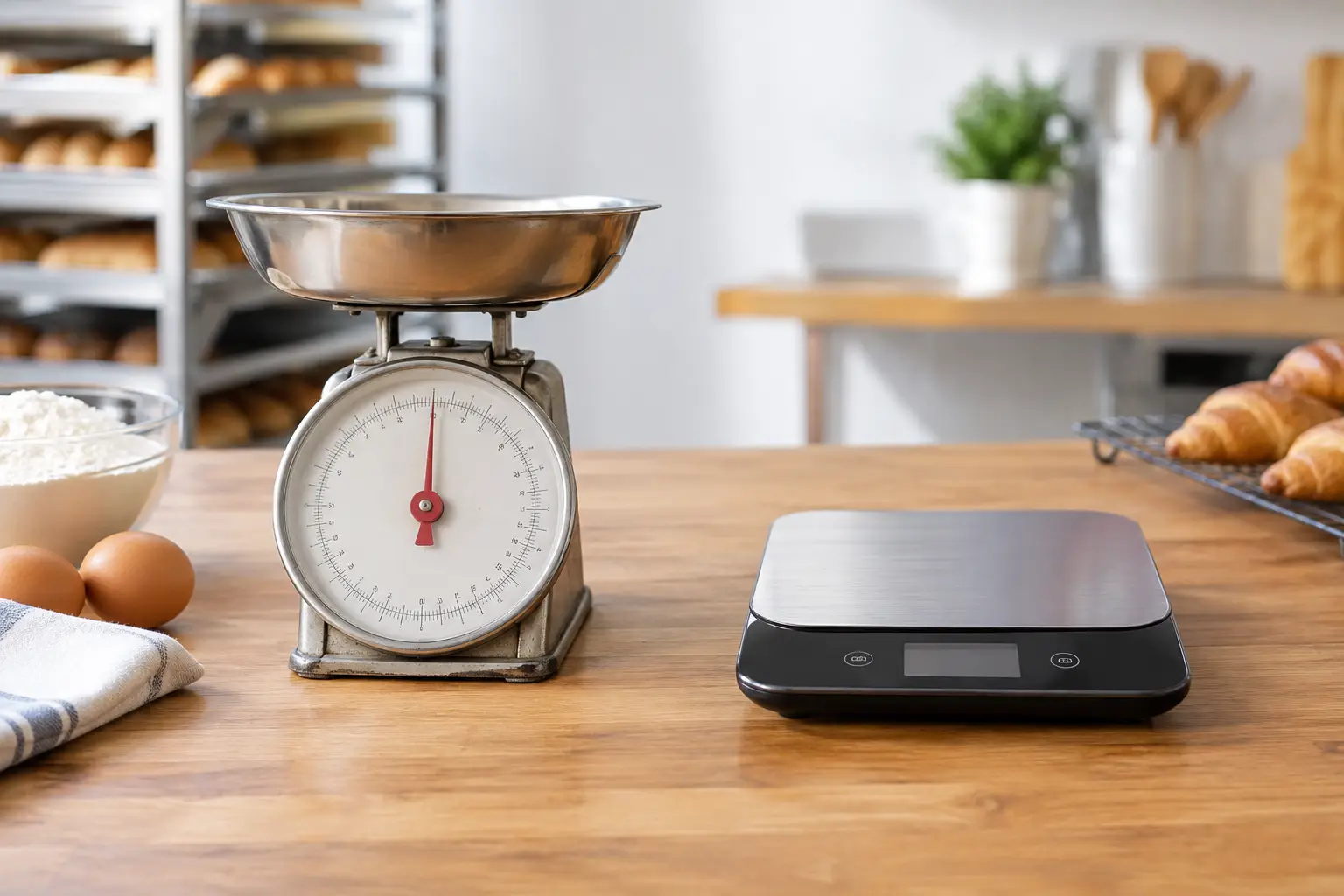
If you use trade-approved weighing equipment to sell goods by weight, integration deserves extra attention. Product labels, POS pricing, scales and reporting must align. Inaccurate or unverified scales can create compliance issues as well as customer disputes, so calibration and verification should be part of the broader equipment plan.
A practical cash handling equipment guide for buying decisions
When comparing options, focus on total operating value rather than the ticket price alone. A cheaper drawer that fails in six months, or a counter that cannot recognise Australian denominations, is rarely the economical choice.
Ask suppliers practical questions: Can the equipment connect to your current POS? Is it suitable for your daily transaction volume? What warranty applies? Can it be repaired locally? Are replacement parts available? Will your team receive setup and basic operating training?
For Southeast Queensland businesses, responsive support can be the deciding factor. Electronic Business Equipment works with businesses to select, install and support transaction hardware around the way they actually trade, including ongoing repairs and technical assistance when equipment is under pressure.
It is also worth planning for growth. A single-register shop may add a second terminal, introduce table service or begin attending weekend markets. Choosing a system that can expand is sensible, but avoid paying for complexity you will not use. The best setup is the one staff can operate confidently every day.
Train staff and maintain the process
Even quality equipment will not fix a weak cash process. Staff should know how to issue change, process refunds, perform cash drops, count a float and report faults. Keep procedures simple enough to follow during a busy shift, then review discrepancies promptly rather than trying to resolve them days later.
Routine cleaning and servicing also prevent minor issues becoming downtime. Remove dust from note counters as recommended, check drawer slides and locks, replace worn receipt printer components, and arrange repairs when hardware starts behaving inconsistently. A sticking drawer is easier to address before it fails on a Saturday morning.
Cash handling equipment should make your operation calmer, not more complicated. Choose reliable hardware, connect it properly, give staff clear procedures and keep local technical support within reach. That leaves your team free to focus on the customers standing at the counter.







Leave A Comment
You must be logged in to post a comment.