
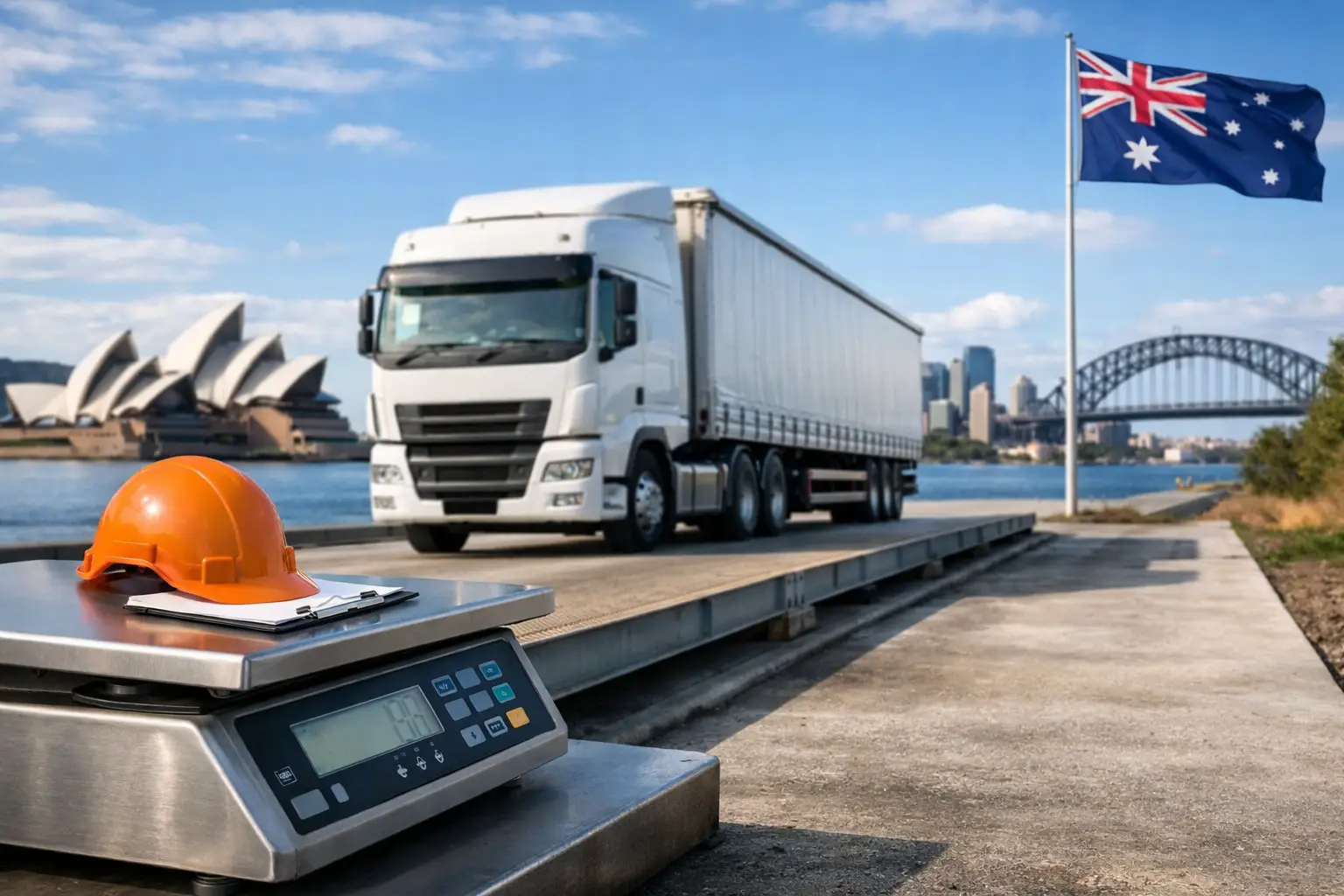
A scale at the deli counter can affect far more than the price of a bag of coffee or a tray of seafood. If the weight is wrong, the business risks customer complaints, lost margin and action over trade measurement requirements. The future of weighing compliance is therefore not just about buying newer scales. It is about making accuracy, records, equipment condition and staff processes easier to manage every day.
For Queensland retailers, butchers, greengrocers, cafés, takeaway venues and market operators, this matters because weighing equipment works under real pressure. It is exposed to spills, vibration, busy staff, frequent cleaning and changing product ranges. Compliance needs to be practical enough to hold up during a Saturday rush, not just look good on installation day.
What weighing compliance means in practice
When goods are sold by weight, the equipment used for the transaction must be suitable for trade use. In most cases, that means using an approved scale that has been verified for trade and displaying the required verification mark. The scale must also remain accurate, level, correctly set up and used within its rated capacity.
Compliance does not end with the verification mark. A scale can be trade-approved and still create problems if it has been moved without being checked, has a damaged load cell, sits on an unstable bench or is programmed with incorrect product data. The business is responsible for ensuring it continues to give customers the quantity they pay for.
That is why a sensible compliance approach covers three areas: selecting suitable equipment, maintaining it properly and giving staff clear procedures for daily use. For a business with integrated point-of-sale equipment, product names, prices and weigh-and-label settings also need attention. A mismatch between the scale and the POS system can lead to pricing errors even when the weight itself is accurate.
The future of weighing compliance is more connected
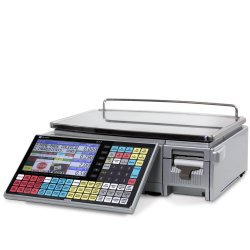
Connected scales and POS systems are becoming more common in food retail and hospitality environments. They can share product information, send weight data directly to a checkout or label printer, and reduce the need for staff to key in PLUs manually. Used well, this improves speed and reduces avoidable mistakes.
The compliance benefit is not that a connected system automatically makes a business compliant. It does not. The benefit is better visibility. Managers can more easily identify inconsistent product setups, track changes and reduce the risk of staff using the wrong price or item code. For multi-counter operations, central management can also help keep product databases consistent across several scales.
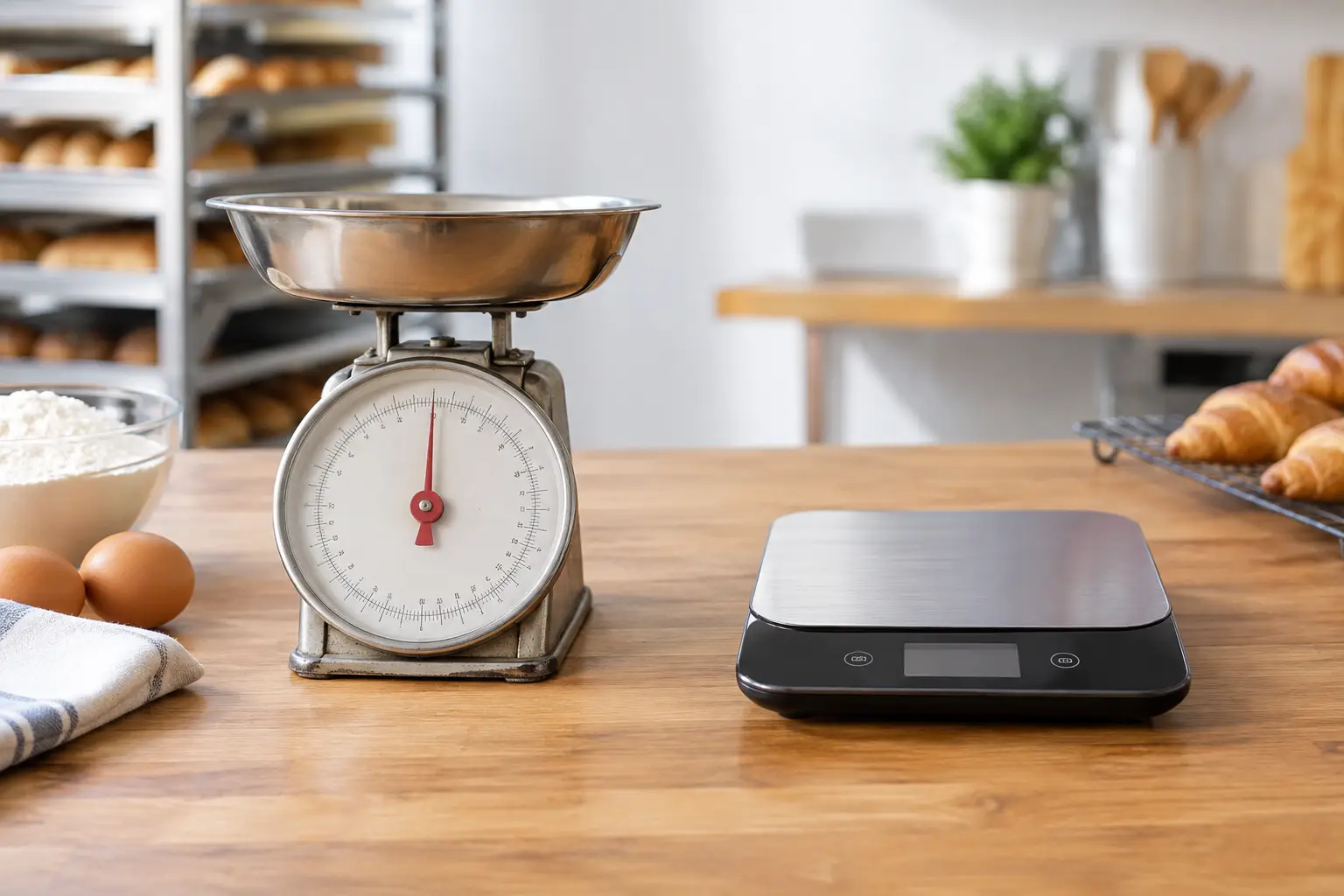
There are trade-offs. A highly connected system has more components to configure and support. Network interruptions, software updates and user permissions all need to be considered. A simple standalone scale may remain the right choice for a market stall or low-volume counter where portability and straightforward operation matter most.
The right solution depends on the way a business trades. The key is to choose technology that makes correct operation easier, rather than adding complexity staff will work around.
Better data will support better servicing
Future-ready weighing equipment will increasingly provide useful service information before a failure stops trade. This may include alerts for battery condition, communication issues, unusual zero drift or printer errors. It gives operators and technicians a chance to investigate early, rather than waiting until a queue has formed and the scale is out of action.
Digital service records can also make compliance management more organised. Instead of relying on a folder of faded paperwork, a business can keep a clear record of calibration, verification, repairs, equipment moves and reported faults. This is particularly useful for businesses with several sites, seasonal trading periods or a mix of counter and back-of-house scales.
Records should support real maintenance, not replace it. A system can report that a scale has passed a basic internal check, but it cannot always identify physical damage, an unstable installation surface or poor cleaning practices. Regular inspection by people who understand the equipment remains essential.
Accuracy will remain a hands-on responsibility
No software update can correct a scale that is sitting unevenly, overloaded or knocked out of position. Daily care will continue to be one of the most reliable ways to protect accuracy and reduce downtime.
Staff should know how to check that the scale is clean, stable and level before service begins. They should allow it to zero correctly, keep product and packaging within the platform area, and report unusual readings straight away. If a scale is consistently showing a non-zero reading when empty, fluctuating without cause or failing to repeat a known weight, it should not simply be ignored.
Businesses also need a process for changes that can affect performance. Moving a scale to another counter, replacing a bench, transporting equipment between events or installing it in a new premises can all create a need for assessment. The same applies after impact damage, electrical work or repairs that affect the measuring system.
A quick daily check does not replace formal verification or professional servicing. It does, however, help find problems early. That protects customers and prevents a small issue becoming an expensive interruption to trade.
Labels, packaging and product information need equal attention
Weighing compliance is often discussed as though the scale is the only consideration. For pre-packed goods, labelling and declared quantity are just as important. The printed weight, price and product description must reflect what is actually being sold, and the packing process needs controls that prevent underweight packs from reaching the shelf.
This is where connected labelling scales can be valuable. Correct product data can be managed centrally, labels can be made more consistent and price changes can be applied with less manual handling. But businesses still need clear approval processes for product records. A rushed change to a tare weight, price per kilogram or product code can affect every label printed afterwards.
Tare management deserves particular care. Containers, trays, wrapping and other packaging can vary in weight. If tare settings are inaccurate or staff select the wrong one, customers may be charged for packaging or the business may give away product. Simple, documented tare procedures are often more effective than complicated rules that no one follows.
Preparing your business for future requirements
Measurement rules, technology and customer expectations will continue to develop. Businesses do not need to replace functioning equipment simply because a newer model is available. They do need to understand the condition, capability and support status of the equipment they rely on.
Start by reviewing each scale in use. Confirm where it is located, what it is used to sell, whether it is approved and verified for trade where required, and whether staff know what to do if it develops a fault. Check that displays can be read by customers when necessary and that printers, labels and POS connections are operating as intended.
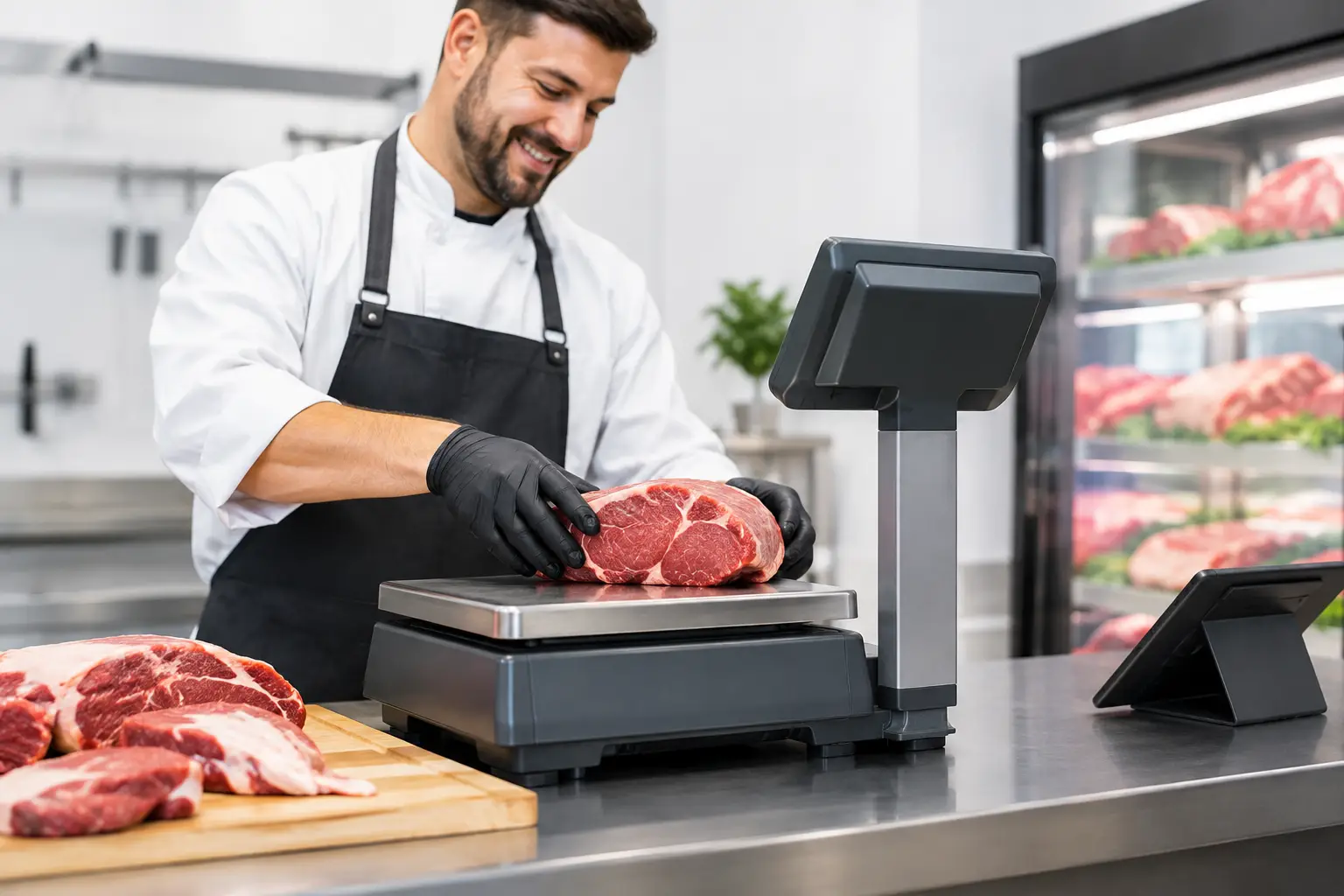
Then consider the operational risks. A busy butcher shop may benefit from integrated labels and central product management. A café weighing coffee beans might prioritise a compact, durable scale with clear daily checks. A mobile food operator may need battery performance, transport protection and rapid access to repair support. There is no single best setup, but there should be a clear reason for the equipment chosen.
It is also worth planning before equipment becomes urgent. Lead times, installation scheduling, staff training and verification arrangements can all affect a changeover. Replacing a failed scale in the middle of peak trade is rarely the best time to make a considered decision.
Local support will matter more, not less
As weighing systems become more connected, local technical support becomes more valuable. A business may need help with scale accuracy, but it may also need someone who can understand its counter layout, label printer, network connection and POS workflow. Treating each component as a separate problem can delay a fix.
A service partner should be able to assess whether a fault is mechanical, electronic, configuration-related or caused by the surrounding setup. They should also provide honest advice about whether repair, recalibration or replacement is the sensible option. For many small businesses, keeping a reliable scale running is more valuable than chasing features they will never use.
EBE works with Southeast Queensland businesses to select, install, calibrate, verify and support trade weighing equipment around the realities of daily trade. The goal is not to make compliance complicated. It is to help make accurate, reliable weighing part of a business’s normal operating routine.
The best preparation for what comes next is simple: know your equipment, look after it, train the people using it and get qualified support before a minor issue becomes a trading problem.









Leave A Comment
You must be logged in to post a comment.