
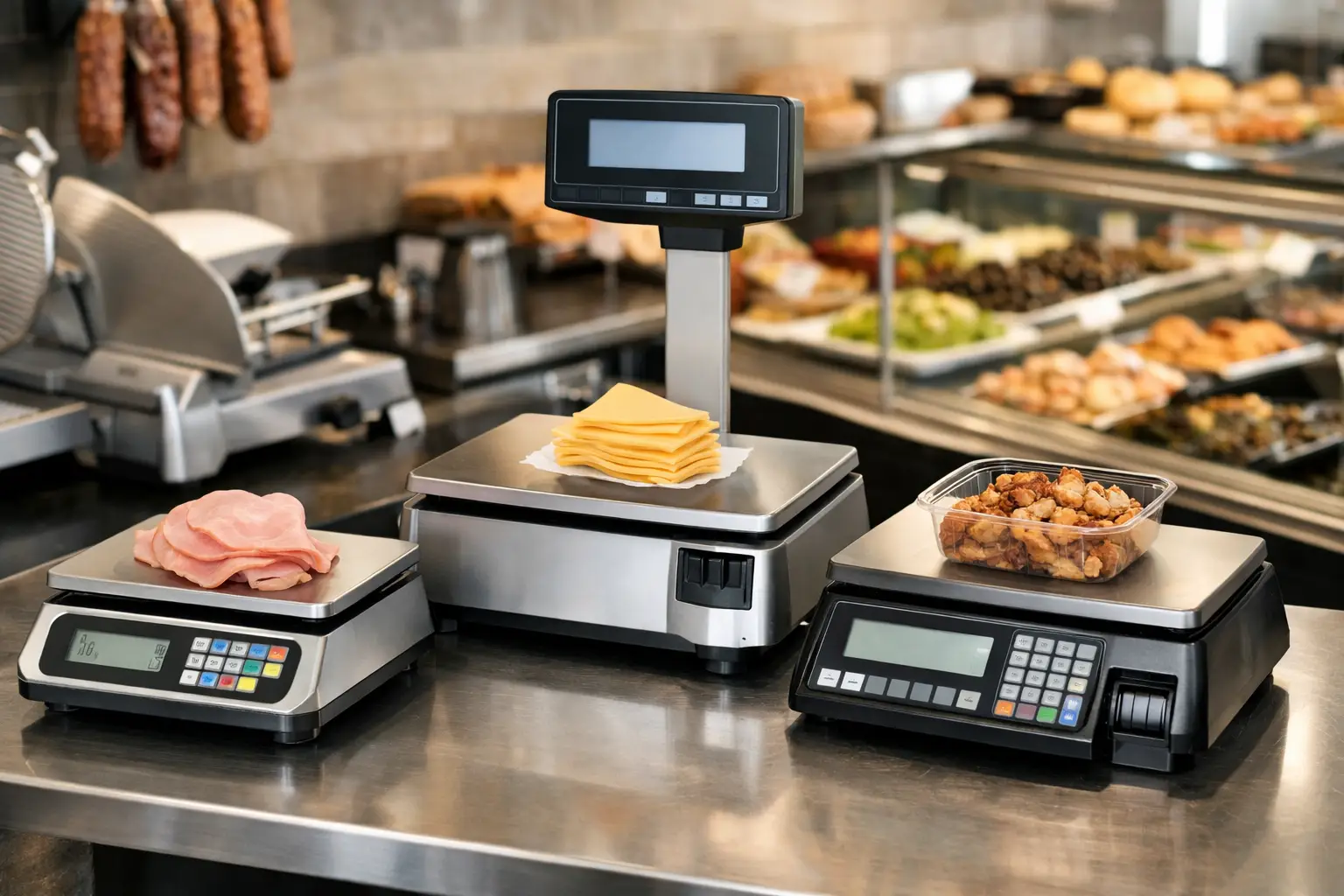
At the deli counter, a scale does far more than show a weight. It sets the price, supports legal trade requirements, prints the right label and keeps the queue moving through the lunch rush. The best scales for delis are the ones that suit the way your team actually serves customers, rather than simply offering the longest feature list.
A small neighbourhood delicatessen, a busy supermarket counter and a butcher-deli operation may all sell by weight, but their priorities can be very different. The right choice depends on whether you need a straightforward counter scale, integrated POS pricing, label printing, pre-pack functionality or all of the above.
What Delis Need From a Commercial Scale
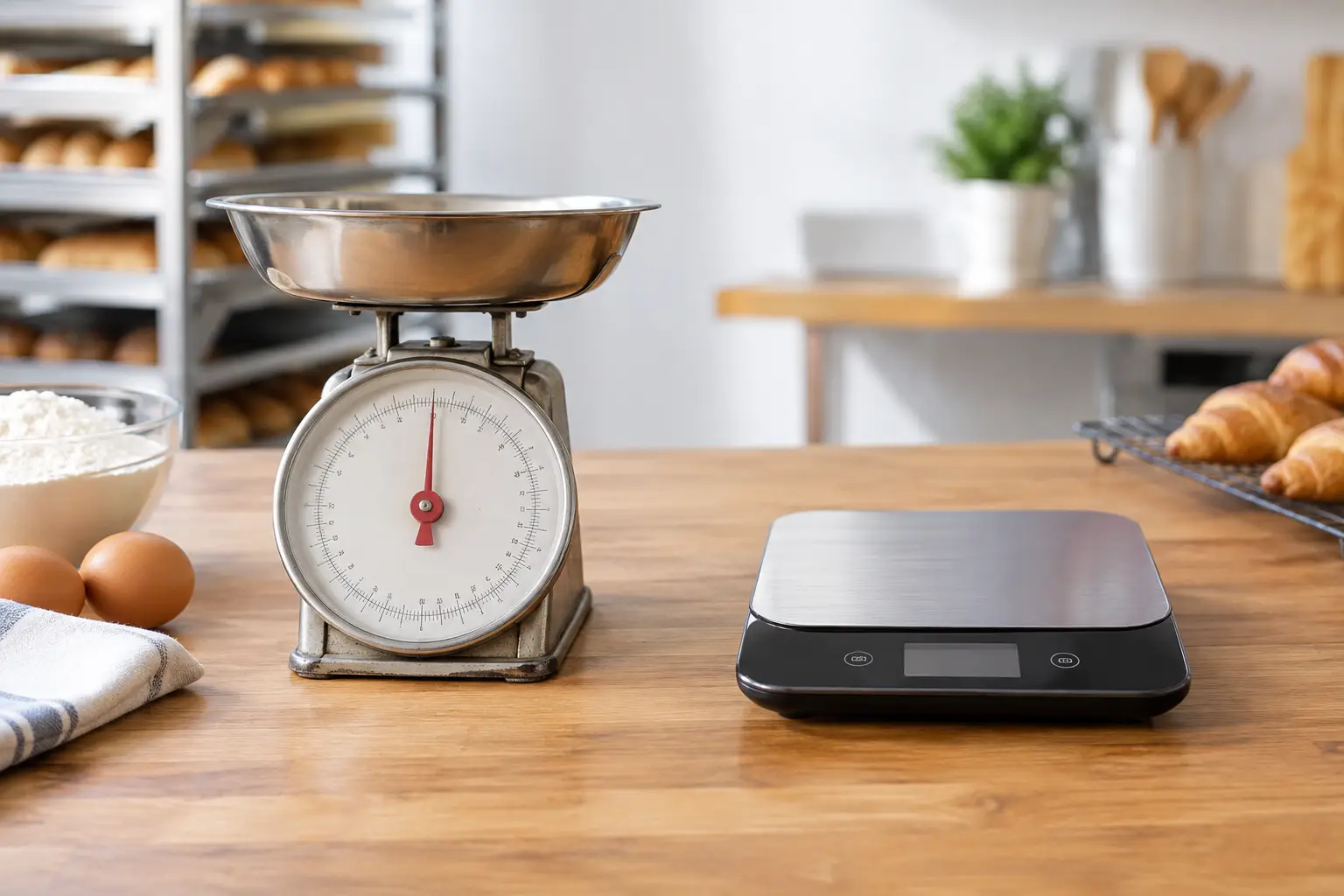
For any product sold by weight, the scale must be approved for trade and correctly verified before use. This is not an optional extra. If the displayed weight determines what the customer pays, your equipment needs to meet Australian trade measurement requirements. A domestic kitchen scale or non-approved bench scale may be useful in the back room for portion preparation, but it cannot be used to sell goods by weight.
The working environment matters just as much. Deli counters deal with crumbs, moisture, food residue, cold rooms and constant wiping down. A suitable scale needs a stainless-steel platter, a display that remains easy to read under bright shop lighting, and controls that staff can use quickly with gloved or damp hands.
Capacity and readability need to be balanced. Many deli applications are well served by a 15 kg or 30 kg capacity scale with 5 g or 10 g graduations, depending on the product range and required accuracy. If you regularly weigh larger trays, catering packs or bulk cheese wheels, a larger platform or higher-capacity model may prevent awkward double handling. For smaller high-value items, finer graduations may be more useful than extra capacity.
Best Scales for Delis: Match the Scale to the Counter
There is no single best model for every deli. The most reliable way to choose is to start with the transaction and preparation process, then select the scale type that removes delays from that process.
Price-computing counter scales
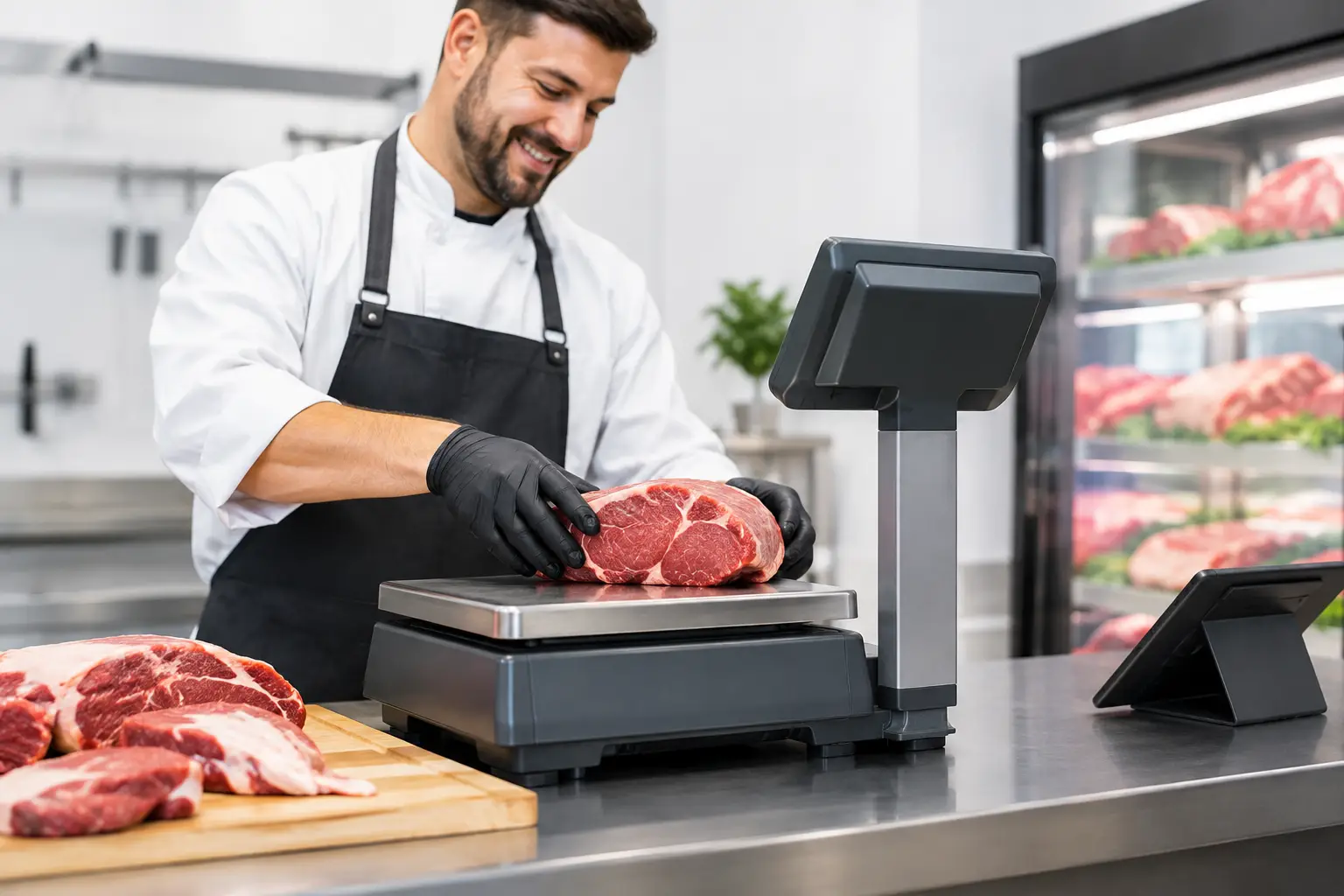
A price-computing retail scale is often the practical starting point for a deli selling sliced meats, cheeses, salads and olives over the counter. The operator enters or selects the price per kilogram, places the product on the platter, and the scale calculates the selling price. Customer-facing and operator-facing displays let both parties see the weight and price clearly.
This option suits businesses with a manageable product range and a team that needs simple, dependable operation. Look for programmable PLUs so common products can be recalled without manually entering prices every time. The number of PLUs required depends on your range, including variations such as different cheese sizes or house-made salads.
The trade-off is that a standalone price-computing scale can create an extra step at checkout if prices still need to be entered into the POS separately. That may be perfectly acceptable for a quieter deli, but it can slow service during peak periods.
POS-integrated scales
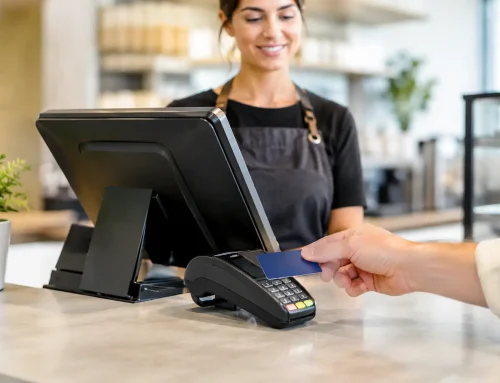
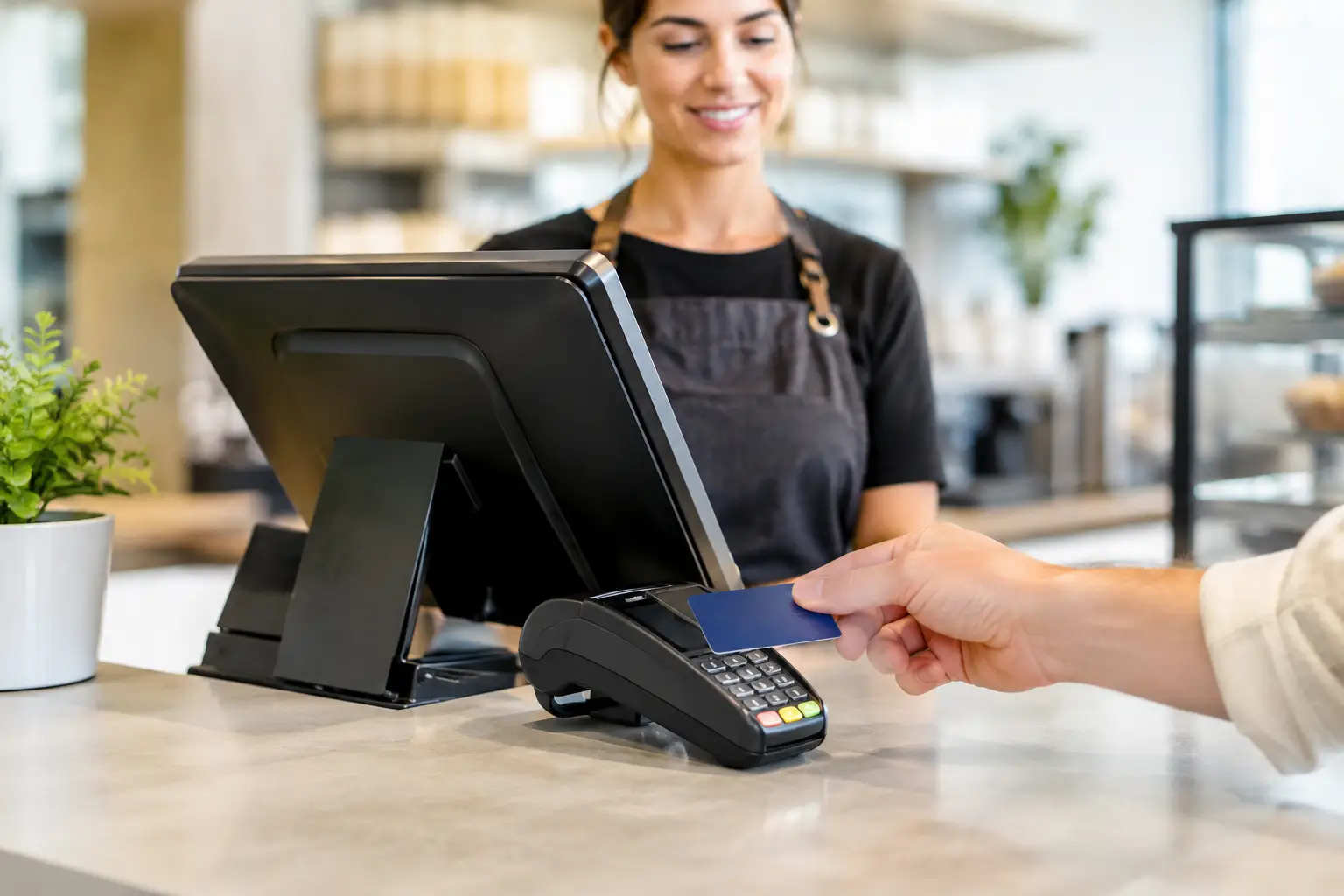
For higher-volume counters, an integrated scale and POS setup can make a significant difference. Product details and current pricing are managed through the POS, while the scale sends the weight directly into the sale. This reduces manual keying, helps prevent pricing errors and gives staff one clear workflow from weighing to payment.
Integration is particularly valuable where a deli counter shares stock, promotions or customer sales data with the rest of the store. However, compatibility should never be assumed. The scale, POS software, hardware configuration and network all need to be checked before purchase. A technically capable installation team can assess the full workflow and confirm that the equipment will communicate correctly from day one.
Label-printing scales
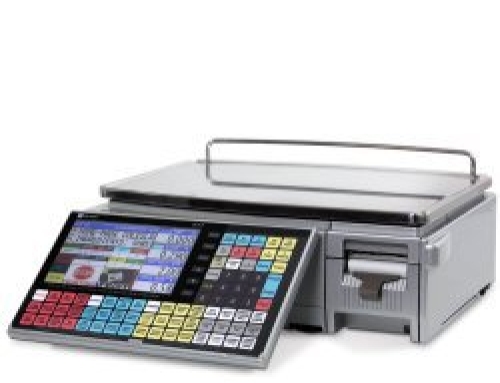
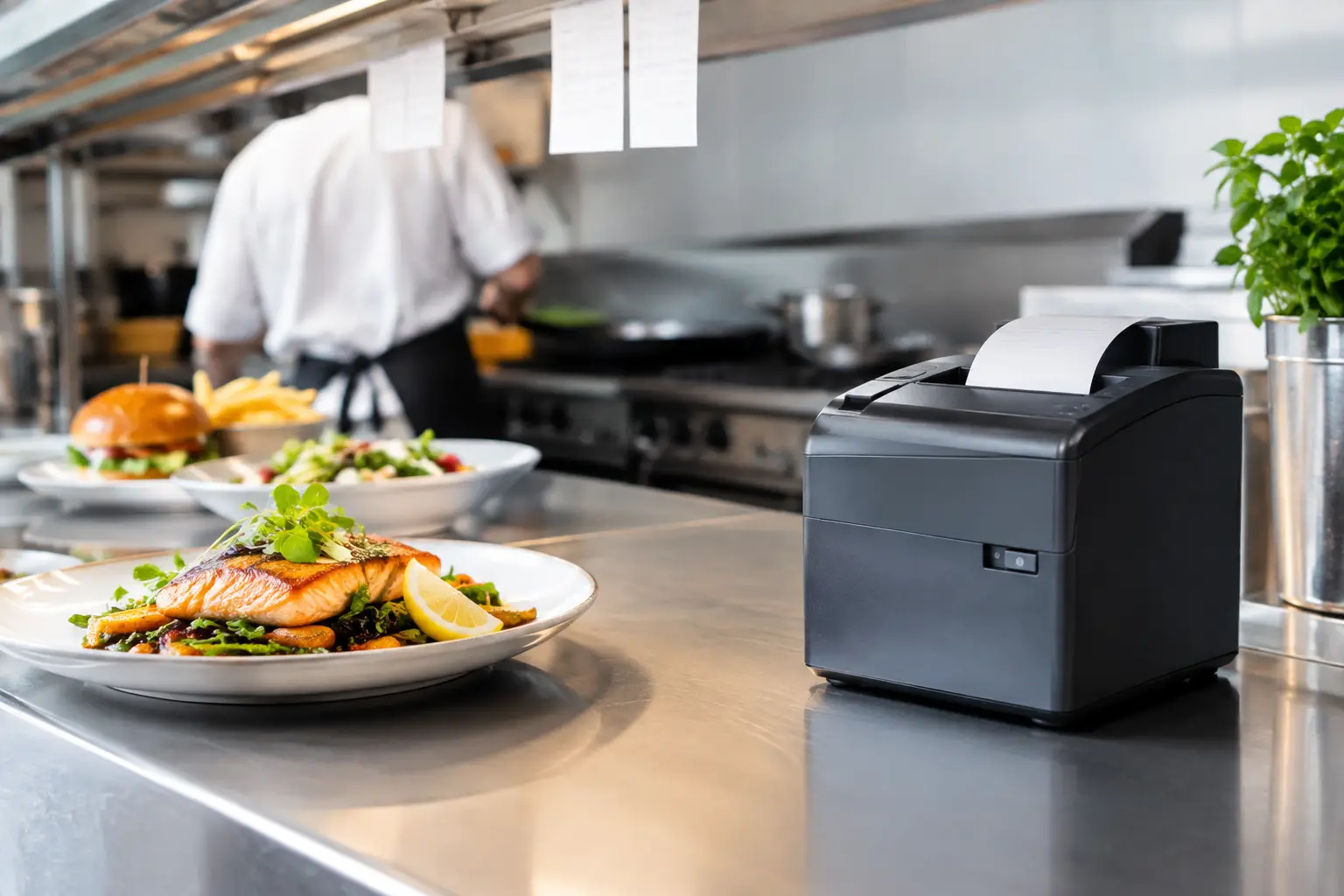
A label scale is usually the stronger choice where staff prepare and price products before customers arrive. Think grab-and-go sliced ham, marinated meats, cheese portions, pre-packed salads and ready meals. The scale weighs the item, calculates the price and prints a label that can include product name, weight, unit price, total price, barcode, use-by information and ingredients where required.
This process improves consistency and lets counter staff focus on serving rather than packing each item while customers wait. It can also help with stock control when barcodes are scanned through the POS.
Label scales need thoughtful setup. Product files, label layouts, barcode formats and PLU information should be configured to suit your operation. You will also need a reliable supply of compatible labels, along with a cleaning routine that keeps the print head and label path free of residue. Choosing the cheapest label scale can become expensive if it is difficult to programme, slow to print or unsupported when a fault occurs.
Bench and platform scales for preparation areas
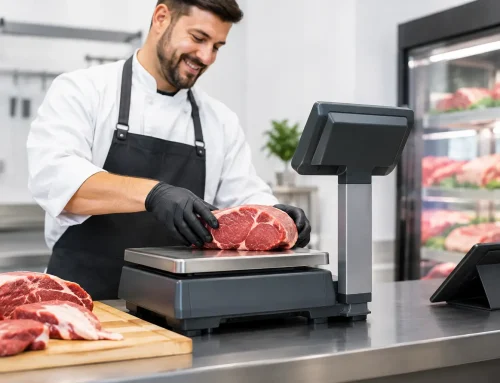
Most delis benefit from a separate bench or platform scale in the prep area. This equipment is useful for portioning ingredients, receiving stock, checking pack weights and preparing catering orders without tying up the customer counter.
Whether this scale must be trade approved depends on how it is used. If it is only used internally for production checks, a non-trade model may be appropriate. If its reading is used to determine the price charged to a customer, it must be approved and verified for trade. Keeping those roles clear avoids compliance issues and ensures staff use the correct equipment at each stage.
Features Worth Paying For
The best investment is not necessarily the scale with the most functions. It is the one with features that save time, reduce errors or protect uptime in your particular business.
For a deli, practical features commonly include a dual display, stainless-steel weighing platter, tare function for containers, programmable product keys and an easy-to-clean design. A rechargeable battery can be useful for market stalls, temporary counters or areas where power access is limited. In a fixed shop, mains power is generally more dependable, provided cabling is installed safely and neatly.
Consider the display angle as well. If customers cannot easily see the weight and price, staff may face unnecessary questions or disputes. A pole display can make sense on a deep counter, while an integrated display may be neater where space is tight.
For label printers, assess print speed, label size options and the ease of changing rolls. A few seconds per label may not matter when packing ten products, but it matters a great deal when packing hundreds before a weekend rush.
Compliance, Verification and Ongoing Accuracy
Trade-approved equipment is only the first part of the requirement. A scale used for direct sale by weight must be verified and kept in working order. Damage, relocation, wear and incorrect levelling can affect performance. If a scale has been repaired or moved, it may require re-verification before it returns to trade use.
Daily checks are a sensible habit. Keep the platter clean, make sure the scale is level, allow it to warm up if required, and confirm that the zero display returns correctly when the platter is empty. Staff should know not to place products on the scale before it has zeroed and not to use damaged power leads or loose connections.
Calibration, verification and repair support are especially valuable when the scale is central to your daily sales. A counter that cannot weigh products accurately can quickly become a counter that cannot trade. Local support means a fault can be assessed with the urgency it deserves, rather than leaving staff to work around a critical failure for days.
Plan for the Whole Deli Workflow
Before buying, walk through a busy service period. Where are products weighed? Who enters prices? Are labels printed before or during service? Does the POS need the same item and price data? Where will power, networking and label stock sit? These details determine whether a basic trade scale is sufficient or whether an integrated system will pay for itself.
Also think about future changes. A deli adding ready-made meals, online orders or a second counter may need more PLUs, label capacity or POS connectivity than it needs today. Buying with some room to grow is sensible, but avoid paying for complex functions your team will never use.
For Southeast Queensland businesses, EBE can help assess the counter, preparation and checkout workflow together, then supply, configure, verify and support suitable trade-approved equipment. That approach reduces the risk of buying a scale that is compliant on paper but frustrating in service.
A good deli scale should disappear into the rhythm of the counter: accurate, quick to operate and ready for the next customer. When it is selected around your products, staff and sales process, it becomes one less thing to worry about when the shop is flat out.





Leave A Comment
You must be logged in to post a comment.