

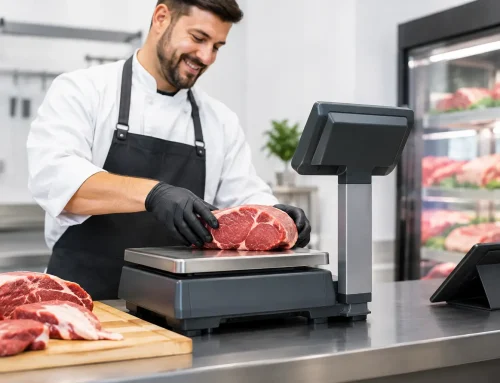
A retail scale that is only a few grams out can create bigger problems than most operators expect. It can affect margin, slow a queue, trigger customer disputes and, where goods are sold by weight, create trade measurement concerns. Knowing how to maintain retail scales is therefore not just a cleaning task. It is a practical routine for protecting accurate transactions throughout a busy trading day.
Whether you run a butcher shop, deli, fruit and veg store, bakery, café or market stall, the best maintenance plan combines daily care by staff with professional servicing when accuracy, seals or connected equipment need attention.
Start with the scale’s working environment
Scales are precision instruments, but they often work in demanding conditions. Crumbs, produce debris, meat juices, flour, moisture, grease and cleaning chemicals can all affect the platform, load cell area or display over time. A scale placed beside a fryer, open doorway or prep sink has different risks from one at a dry retail counter.
Keep the scale on a firm, stable bench that does not flex when staff lean on it or place stock nearby. Check that all feet are supported and the unit is level. An uneven scale can produce inconsistent readings, especially when a customer or staff member places an item near the edge of the platter.
Avoid direct airflow from fans or air conditioning where possible. Draughts can affect highly sensitive weighing, while rapid temperature changes and condensation can cause problems in chilled or humid food environments. If the scale has been moved from a cold room or vehicle into a warm shop, allow it to settle before relying on it for trade.
Clean carefully at the end of each shift
Cleaning is essential, but soaking a scale or spraying liquid directly into it is a common and expensive mistake. Moisture can find its way under keys, around cable entries and into internal components. Even equipment designed for a wet environment needs cleaning in line with its manufacturer instructions.
Switch the scale off where practical, remove loose debris from the platter, then wipe external surfaces using a soft cloth that is lightly dampened with an approved cleaning solution. Apply the solution to the cloth, not directly to the scale. Dry the platter and housing afterwards, paying attention to gaps around the platform where food residue can build up.
For food businesses, the cleaning method must also suit your food safety procedures. Do not use abrasive pads, high-pressure water or harsh chemicals unless the scale is specifically rated for them. These can damage the display window, keypad membrane, label printer components and protective finishes.
A quick check underneath the platter is worthwhile. Product debris trapped beneath it can stop the platform moving freely, leading to slow return-to-zero, drifting readings or a scale that will not settle.
Make daily accuracy checks part of opening procedures
Staff do not need to perform a full calibration every morning. They should, however, confirm that the scale is clean, stable and behaving as expected before trade begins. A short opening check catches many issues before they reach the counter.
Use suitable known check weights that are kept clean, protected and available to authorised staff. Place them gently in the centre of the platform and confirm the displayed result is consistent. Repeat the test if required by your internal procedure, including with the weight positioned in different areas of the platter where that is relevant to the model and workflow.
Your daily check should cover these practical points:
- The display returns to zero with an empty, clean platter.
- The scale is level, stable and free from anything touching the platform.
- Known test weights show the expected reading consistently.
- The tare function clears packaging weight correctly.
- The display, keypad, printer and customer-facing screen are readable and operating normally.
If a check fails, do not work around the problem by estimating weight or repeatedly pressing zero. Take the scale out of trade use, label it clearly for staff, and arrange assessment. A fault that looks minor can become a compliance issue or result in inaccurate sales across an entire day.
Handle products and packaging with care
The platform is built for regular use, not rough treatment. Dropping cartons, tubs or heavy produce onto it can shock the load cell and affect accuracy. Staff should place items down rather than throw or slide them onto the platter, particularly with bench scales used during peak service.
Do not exceed the scale’s maximum capacity, including the weight of trays, bowls and containers. Overloading can permanently damage internal weighing components. If your operation regularly weighs stock close to the scale’s limit, it may be time to review whether a higher-capacity model is the better operational choice.
Tare is another area where consistent staff habits matter. Use clean, standard containers where possible and check that the tare has been cleared between transactions. In a busy deli or takeaway venue, an incorrect tare can be just as costly as an inaccurate gross weight.
Look after cables, power and connected equipment
Retail scales are increasingly connected to POS systems, label printers, cash drawers, back-office software and networks. A scale may be mechanically accurate but still create delays if the connection is unreliable or its product data is out of date.
Inspect power leads, plugs and data cables regularly. Keep them away from wet floors, cleaning areas, sharp bench edges and places where staff can pull or stand on them. Never force a loose connector into place. Intermittent communication errors are often caused by damaged cables or connections that have been strained over time.
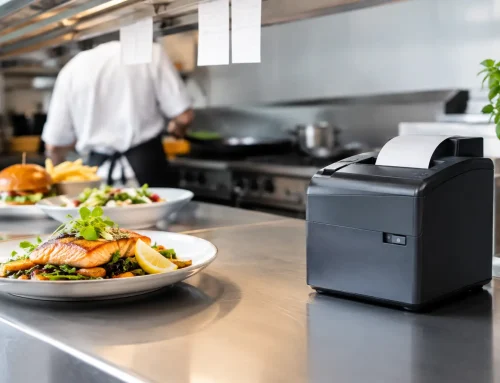
For label printing scales, check print quality, label alignment and the condition of the print head. Use the correct labels and consumables for the unit. Cheap or unsuitable labels can jam mechanisms, leave adhesive residue or cause poor barcode scans at checkout.
Where scales are integrated with POS, test the full process after software updates, power outages or changes to stock files. Confirm that the right item description, price, tare and barcode are being used. A technical support provider can help manage these changes without interrupting trading.
Understand the difference between checking, calibration and verification
A daily check gives you confidence that the scale is behaving normally. Calibration is a technical adjustment process that compares the scale’s performance with known standards and corrects it where needed. Verification is the formal process relevant to trade use, including requirements around approved equipment and verification markings.
If you sell goods by weight, your equipment must meet applicable Australian trade measurement requirements. The exact obligations depend on the scale, its use and its verification status. Staff should not remove seals, alter protected settings or attempt internal repairs on trade-approved equipment. Doing so can affect compliance and may make the scale unsuitable for trade until it has been properly assessed.
Keep service and verification records with your equipment documentation. They provide a useful history of faults, adjustments and scheduled work, and help you make informed decisions when a scale becomes unreliable or costly to repair.
Know when to call for service
Some issues need prompt attention rather than another clean or restart. Arrange professional help if the scale drifts when empty, will not return to zero, gives different readings for the same test weight, has visible physical damage, displays error messages, loses printer or POS communication, or has damaged seals, cables or power components.
It also makes sense to book preventative servicing before a peak period, major event or seasonal rush. A business that relies on weighing at every transaction has little to gain from waiting until a failure stops the counter. For Southeast Queensland businesses, EBE can assist with scale repairs, calibration, verification and practical advice on keeping connected retail equipment operating reliably.
Give staff a simple routine they can follow
Good scale maintenance is easier when responsibility is clear. Include opening checks and cleaning in the shift checklist, train staff on correct loading and tare use, and nominate one person to report faults and maintain service records. This avoids the familiar problem where everyone notices an issue but assumes someone else has acted on it.
A well-maintained scale should disappear into the background of your operation: accurate, clean and ready when the next customer steps up to the counter. That reliability starts with small daily habits and the confidence to call for support before a minor fault becomes a costly interruption.











Leave A Comment
You must be logged in to post a comment.