

A dropped EFTPOS connection during the lunch rush is rarely just an internet problem. It may be a damaged outlet, poorly terminated cable, overloaded network point or an installation that was never designed for the equipment now connected to it. ACMA-licensed data cabling gives businesses a compliant, dependable foundation for the systems they use to take payments, print orders, run POS terminals and stay connected.
For a café, retailer, restaurant or busy service counter, cabling is generally out of sight until something stops working. Yet it is one of the most practical investments a business can make when fitting out a new site, upgrading a POS system or fixing recurring network faults.
What ACMA licensed data cabling means
The term ACMA licensed data cabling is commonly used to describe communications cabling work completed by a registered cabler under Australia’s telecommunications cabling rules. In practical terms, a registered cabler is authorised to install, alter, repair or maintain customer cabling that connects to a telecommunications network.
That includes much of the fixed cabling behind your business technology: network outlets, data cables through ceilings and walls, communications racks, patch panels and connections between services and equipment. The work must be completed to the applicable standards and rules, then tested and documented where required.
There is a useful distinction to understand. ACMA administers the cabling provider rules, while cablers hold registration through an accredited registrar. A competent provider should be able to explain their registration, the scope of work they are qualified to complete and any relevant endorsements. Structured cabling and fibre work can require specific competencies, so this matters when the job is more than replacing a basic outlet.
Why it matters to transaction-heavy businesses
Your POS system may sit on a counter, but it depends on a chain of connected equipment behind the scenes. A typical venue can have terminals, receipt printers, kitchen printers, EFTPOS devices, back-office computers, Wi-Fi access points, security cameras, digital displays and a modem or router all sharing the same network environment.
When the fixed cabling is poorly planned or installed, the symptoms can be frustratingly inconsistent. A terminal may lose connection only at certain times. A printer may go offline after a counter is moved. Wi-Fi may be fine in the office but unreliable at the tables or storeroom. Staff can spend valuable time restarting devices when the real issue is a cable run, termination or network layout.
Using appropriately registered cablers reduces that risk. It also helps protect the investment you have already made in POS hardware, payment technology and business software. Quality equipment cannot perform properly on an unreliable physical network.
There is also a compliance and safety consideration. Fixed communications cabling is not the same as plugging a patch lead into a router. Work performed outside the rules can create fault-finding problems, affect warranties or insurance discussions, and leave a business with no clear record of what sits behind walls and ceilings.
When should you call a registered cabler?
The best time to plan cabling is before a problem becomes urgent. During a new fit-out or refurbishment, cable routes can be installed neatly before walls are closed, counters are fixed in place and trading begins. This is usually more cost-effective than trying to add outlets around finished joinery later.
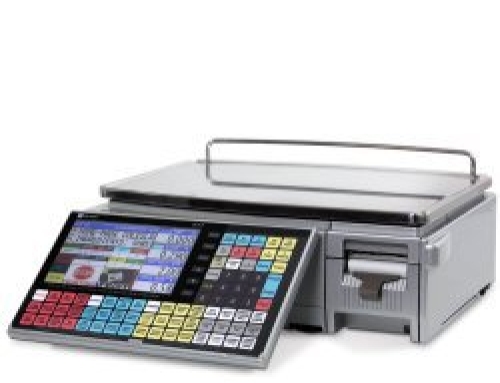
It is also worth arranging an assessment when you are adding a second till, moving a counter, installing kitchen printing, introducing new scales or expanding into another tenancy. Each change can affect where network points, power, equipment and staff need to be positioned.
Existing sites need attention too. If your connection drops regularly, staff rely on temporary leads across walkways, devices only work after being moved, or your network cabinet resembles a collection of unknown cables, an inspection can identify the cause before a peak trading period exposes it.
For a small business, the scope may be straightforward: one correctly located data outlet for a POS terminal and another for an EFTPOS device or printer. A larger venue may need a structured cabling design that allows multiple outlets, dedicated equipment locations, future expansion and easier fault isolation. The right approach depends on the site, the equipment and how your team works day to day.
Cabling should support the way you trade
A good installation starts with workflow, not just cable type. Consider where customers pay, where staff enter orders, where printers need to operate and which areas require dependable wireless coverage. A takeaway shop may need a network point at the front counter and a reliable connection for a kitchen printer. A retailer may need data at several checkout points, in the stockroom and at a back-office workstation.
It is tempting to install only what is needed this week. However, allowing sensible capacity for another terminal, access point or camera can save disruption later. This does not mean overengineering every small shop. It means making informed choices based on likely growth, the building layout and the cost of future access.
Cable category is another decision that should match the job. Cat6 is widely used for modern business network installations, while some sites may benefit from higher-specification cabling or fibre links over longer distances and between buildings. The answer is not automatically the most expensive option. A qualified cabling and technology provider should explain what the system needs, where the limitations are and why a particular design is appropriate.
What a professional installation process looks like
A reliable result normally begins with a site inspection. The installer needs to see the equipment locations, existing communications service, possible cable paths, wall and ceiling access, power availability and any constraints such as tenancy rules or heritage finishes.
From there, the work can be planned around trading hours where possible. For an operating café or shop, minimising interruption is often as important as the technical work itself. Cable runs should be protected, outlets positioned for practical access and communications equipment kept orderly enough that future servicing does not become guesswork.
Once installed, cabling should be tested, labelled and recorded. Clear labels on outlets and patch-panel ports make it much faster to trace a fault or connect new equipment later. This is particularly valuable when a business has a mix of POS terminals, printers and network devices, or when several trades have worked on the site over time.
Ask what documentation will be supplied and what testing has been completed. You should also ask who will support the connected equipment after installation. Cabling, routers, POS systems and printers often overlap during a fault, so a provider that understands the full setup can reduce the time spent passing responsibility between different contractors.
Avoiding false economy with temporary fixes
Temporary leads and inexpensive adaptors have their place for short-term events, testing or an immediate emergency. They are not a long-term substitute for correctly installed fixed cabling in a busy commercial environment. Cables across floors create trip hazards, exposed connections are easily knocked loose, and improvised arrangements become difficult to maintain as equipment is added.
The cheapest quote is not always the lowest-cost outcome either. A job that leaves no labels, no test results and no allowance for future equipment can be expensive to revisit. The better question is whether the proposed work will support your current operation, meet the required standards and give you a clear path when the business changes.
For South East Queensland businesses, local support can make a real difference when a network fault affects trade. EBE can coordinate practical technology solutions around POS, printers, connected equipment and the cabling infrastructure they rely on, with advice based on how your business actually operates.
Before your next fit-out, counter move or system upgrade, look beyond the equipment on the bench. A properly planned, registered cabling installation gives every connected part of your operation a better chance of working when customers are waiting.















Leave A Comment
You must be logged in to post a comment.