

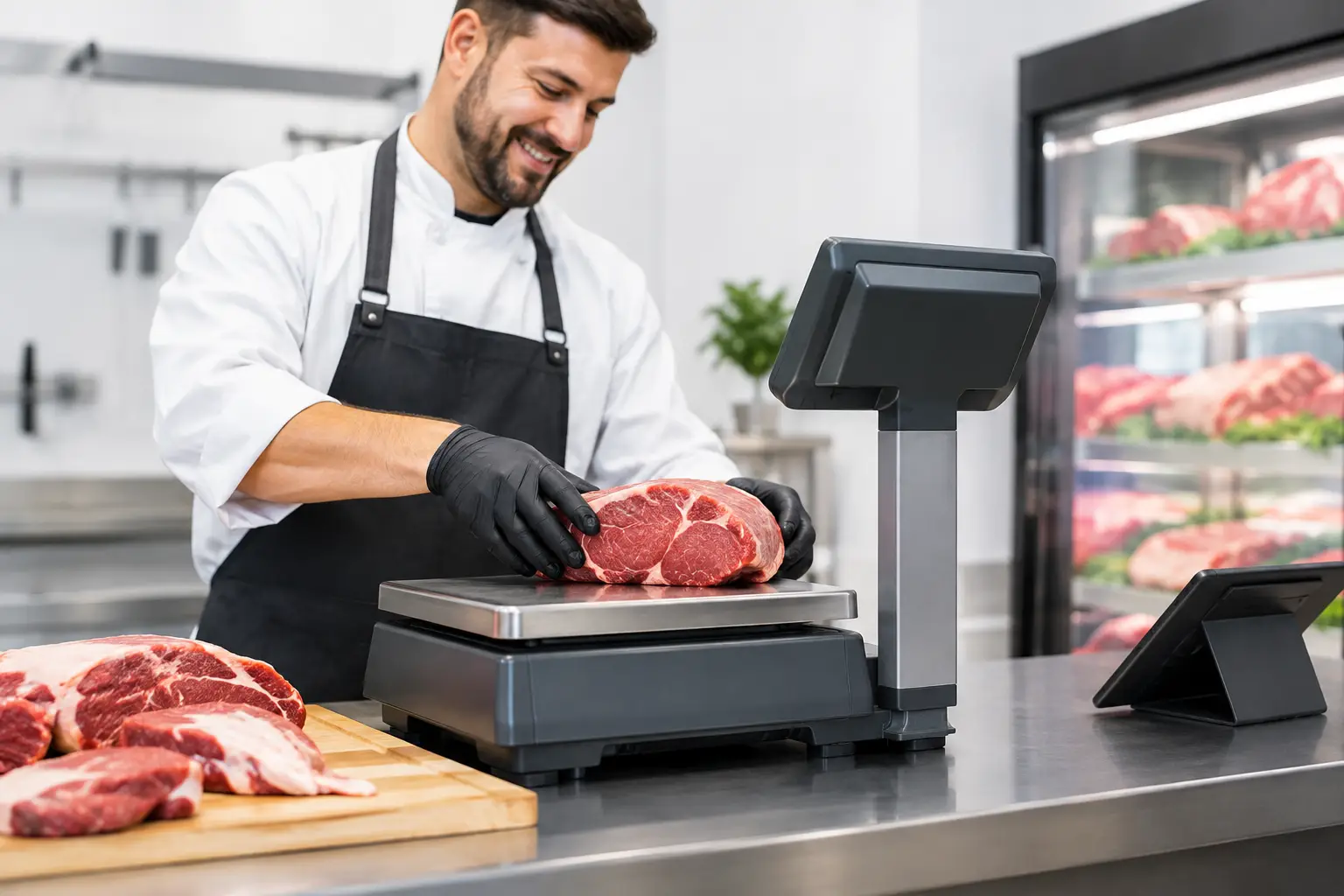
If your business sells by weight, licensed scale verification booking is not admin you can keep pushing to next week. A scale that is overdue, inaccurate or not properly verified can slow trade, create compliance issues and chip away at customer trust at the same time. For butchers, grocers, seafood retailers, cafés, market operators and other busy venues, getting this booked properly means fewer interruptions and one less risk sitting in the background.
Why licensed scale verification booking matters
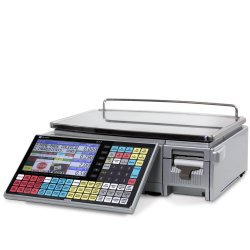
Trade-approved scales used in commercial transactions need more than a quick check to make sure the display still turns on. If you are charging customers based on weight, the scale needs to be suitable for trade use and verified by a licensed technician. That is what gives you confidence that the readings are accurate and that your equipment meets the required standard for use in trade.
For most operators, the real value is practical. Accurate scales protect your margins if you are selling high-value items, and they protect your reputation if customers expect fair, consistent pricing. Even small discrepancies can add up over hundreds of transactions. A few grams out on a premium product might not seem like much in isolation, but over time it becomes a cost, a compliance problem, or both.
There is also the issue of downtime. If a scale is left too long without proper attention, a simple verification can turn into a repair, recalibration or replacement job. Booking at the right time usually gives you more options and less pressure.
What a licensed scale verification booking usually includes
A proper booking is more than someone arriving with test weights and ticking a box. The process should confirm that the scale is fit for trade use, operating within tolerance and set up correctly for the way your business actually uses it.
That often starts with checking the scale model, condition and installation environment. A scale sitting on an uneven bench, exposed to vibration, draughts or unstable power can produce unreliable readings even if the unit itself is in decent order. In a busy kitchen, deli or market setup, those conditions are not unusual.
The technician then tests the scale with certified weights across the operating range. This helps identify whether the scale is reading consistently at low, mid and high loads. If adjustment is needed, that may be carried out before verification is completed, depending on the condition of the unit and whether any faults are present.
If the scale passes, the verification can be completed and recorded. If it does not, you should know why, what needs to happen next and whether it is a straightforward calibration issue or a larger fault. That distinction matters because not every failed verification means the scale is finished. Sometimes the fix is simple. Sometimes the most cost-effective option is replacement, especially with older units that are already causing disruptions.
When to arrange a licensed scale verification booking
The obvious time to book is when you are installing a new trade-approved scale or replacing an existing one. Before that scale is used to sell by weight, verification needs to be handled properly.
But new installs are only one part of the picture. You should also think about booking if the scale has been moved, repaired, knocked, exposed to harsh conditions or is showing inconsistent readings. A scale that travelled to a weekend market, sat in the back of a ute, then got set up on a folding table is working in a very different environment from one installed permanently in a shop.
Growth can also trigger the need for a review. If your business has changed product lines, increased transaction volume or added locations, your scale setup may no longer suit the workload. In that case, a verification booking can be a good point to assess whether the equipment is still appropriate, not just compliant.
For many businesses, the best approach is not to wait for a problem. Put verification and servicing on a schedule that matches how heavily the scale is used and how critical it is to daily trade. High-volume operations usually need a more proactive plan than low-use sites.
How to prepare for the booking
A smooth licensed scale verification booking starts before the technician arrives. If the scale is buried behind stock, disconnected from power or only accessible during your lunch rush, the process takes longer and can interrupt trade more than necessary.
It helps to confirm a few basics ahead of time. Make sure the technician knows the scale model, where it is located and how it is used. If there are known issues, such as drifting readings, sticky keys, display faults or intermittent power, mention them when booking. That allows time for the right parts, test equipment or service allowance.
You should also think about timing. Some businesses prefer on-site work before opening, between service periods or on a quieter trading day. Others need workshop attention because the scale has broader faults. There is no single right answer. It depends on how essential the unit is, whether you have backup equipment and how much disruption your operation can absorb.
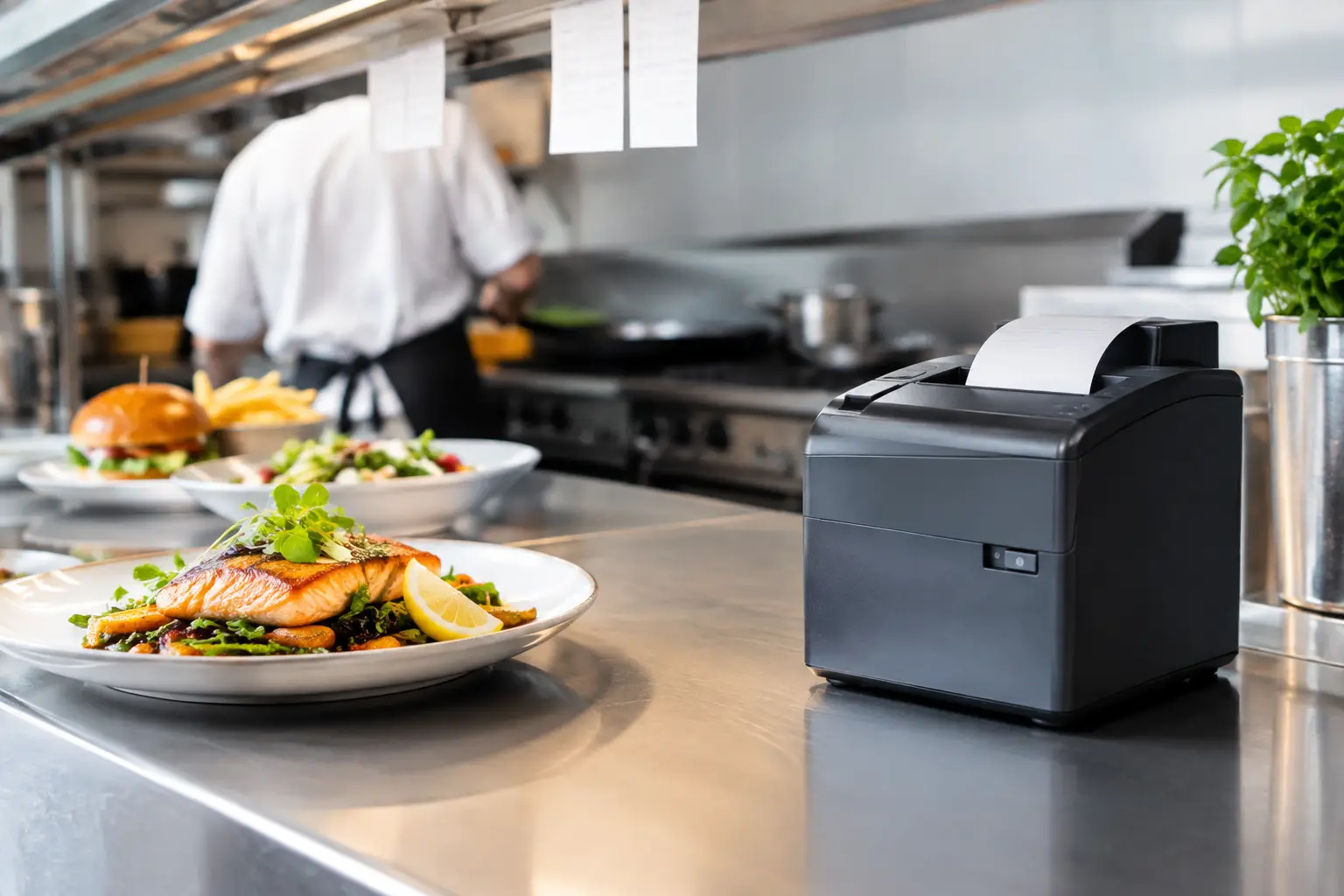
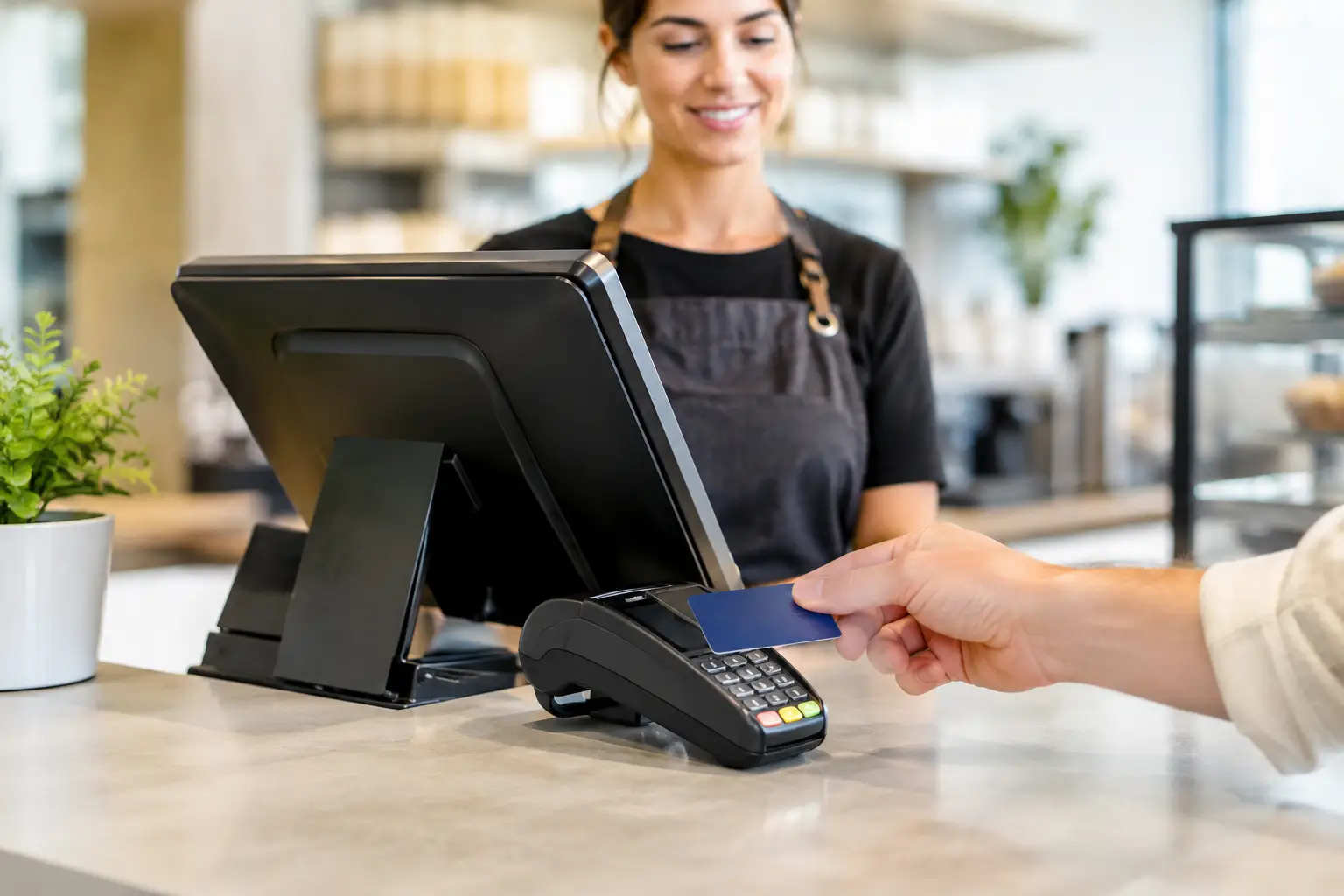
If your scale is integrated with a POS system, label printer or product database, mention that too. Verification focuses on the weighing function, but the broader setup still matters. A compliant scale that no longer talks properly to the rest of the system is not much help on a busy counter.
Choosing the right provider for licensed scale verification booking
This is where many businesses can save themselves repeat callouts and unnecessary stress. A provider who only handles the verification step may be enough if your equipment is new, simple and otherwise trouble-free. But if your scale is part of a wider trading setup, it often makes more sense to work with a team that can also diagnose faults, calibrate, repair and advise on replacement if needed.
That matters most for businesses that cannot afford to stop trading while different contractors point at different problems. If the issue is not just compliance but a damaged load cell, unstable bench, failing printer connection or poor setup, you want one service partner who can sort it properly.
For Southeast Queensland operators, local availability also counts. A delayed booking or a long wait for follow-up service can turn a manageable issue into lost trade. Working with a local team like Electronic Business Equipment often means faster support, clearer communication and practical advice based on how Queensland businesses actually operate.
Common problems found during verification
Some issues show up again and again. The scale may be accurate at one end of the range but not the other. It may drift after zeroing. It may have suffered damage from moisture, grease, impact or transport. In food service settings, buildup around key components is another common cause of trouble.
Then there are environmental issues. An uneven surface, unstable bench, nearby fan, vibrating fridge motor or poor placement near a doorway can all affect performance. These are easy to overlook because the scale itself appears to be the problem, when the real issue is where or how it is installed.
There is also the age factor. Older scales can keep going for years, but at some point repairs become less economical and parts harder to source. A good technician will tell you when a repair still makes sense and when replacement is the better business decision.
Compliance is only part of the outcome
A licensed scale verification booking is about compliance, but the result should be broader than that. The best outcome is a scale that is legal to use, accurate in day-to-day trade and reliable enough that your staff do not have to second-guess it during peak periods.
That reliability flows into customer experience as well. Faster service, fewer pricing disputes and smoother transactions all come back to equipment doing its job properly. For operators who are already juggling staffing, stock, service and cost pressure, one dependable piece of hardware can remove a surprising amount of friction.
The same goes for planning ahead. If verification uncovers wear, instability or signs of failure, you get the chance to act before the scale goes down mid-service. That gives you more control over timing, budget and replacement options.
Book before it becomes urgent
Most businesses do not book scale verification because they have spare time. They book because the equipment matters and the risk of leaving it too late is higher than the inconvenience of getting it sorted. That is the right way to look at it.
If your trade depends on accurate weighing, treat licensed scale verification booking as part of keeping the business moving, not just a box to tick. When it is handled by the right licensed team, you get more than a certificate. You get confidence at the counter, less disruption in the back room and one more part of the day that simply works as it should.






Leave A Comment
You must be logged in to post a comment.