
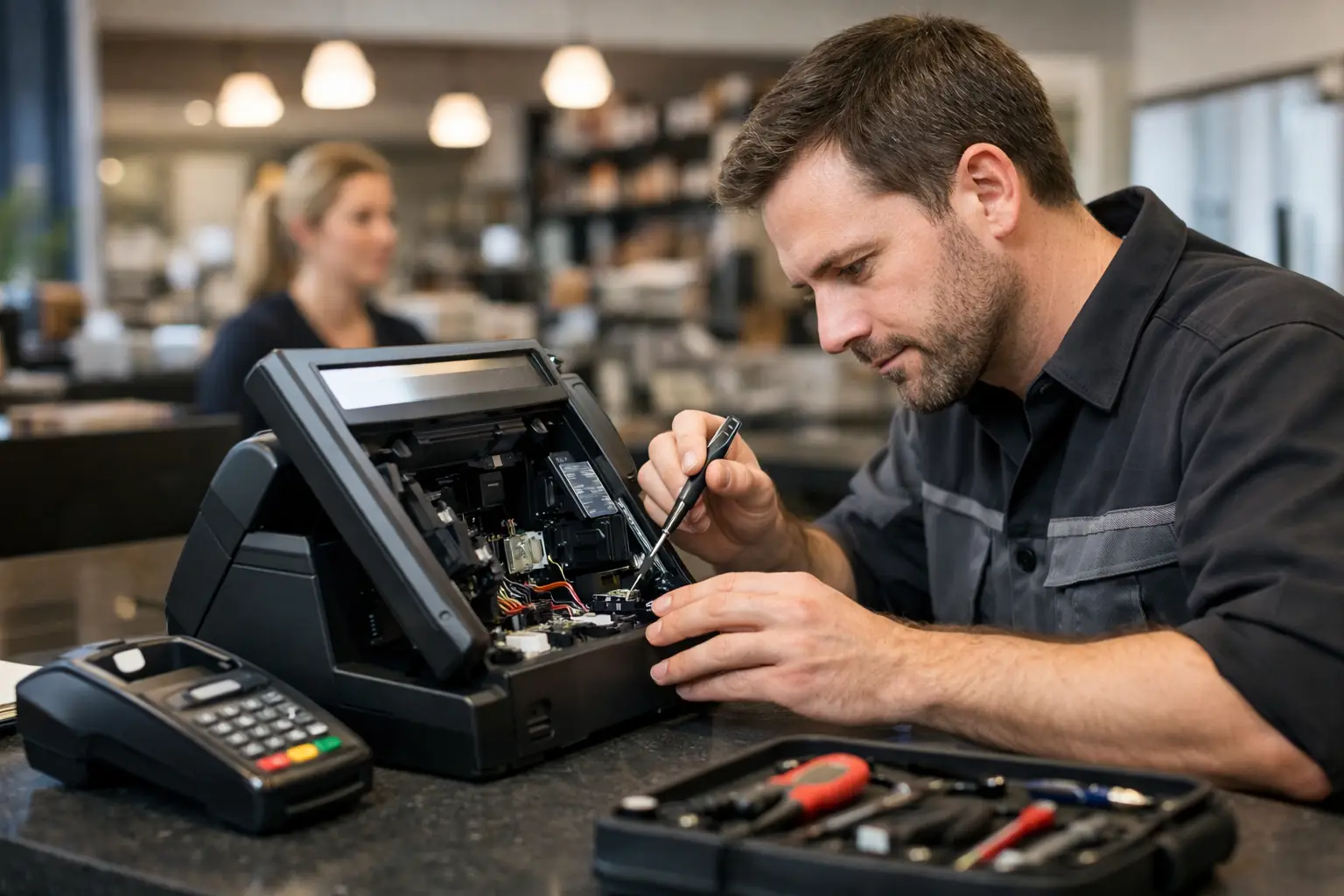
When your POS goes down at 11:45am on a Friday, the issue is not just technical. It is customers waiting at the counter, staff getting flustered, orders slowing down, and sales at risk. That is why onsite POS repair service matters for businesses that rely on fast, accurate transactions every day.
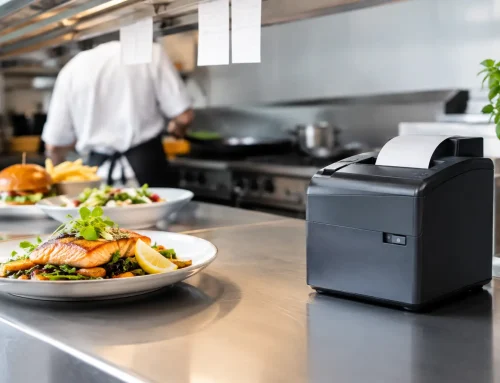
For a café, retail store, takeaway shop or market operator, the point-of-sale system sits at the centre of operations. It connects sales, receipts, kitchen printing, payment processing, stock control and sometimes weighing equipment as well. When one part fails, the impact can spread quickly. A local technician who can come to site, diagnose the problem properly and get you trading again often makes the difference between a short interruption and a full day of disruption.
What an onsite POS repair service actually covers
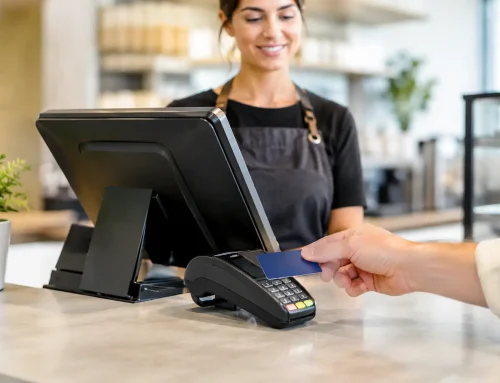
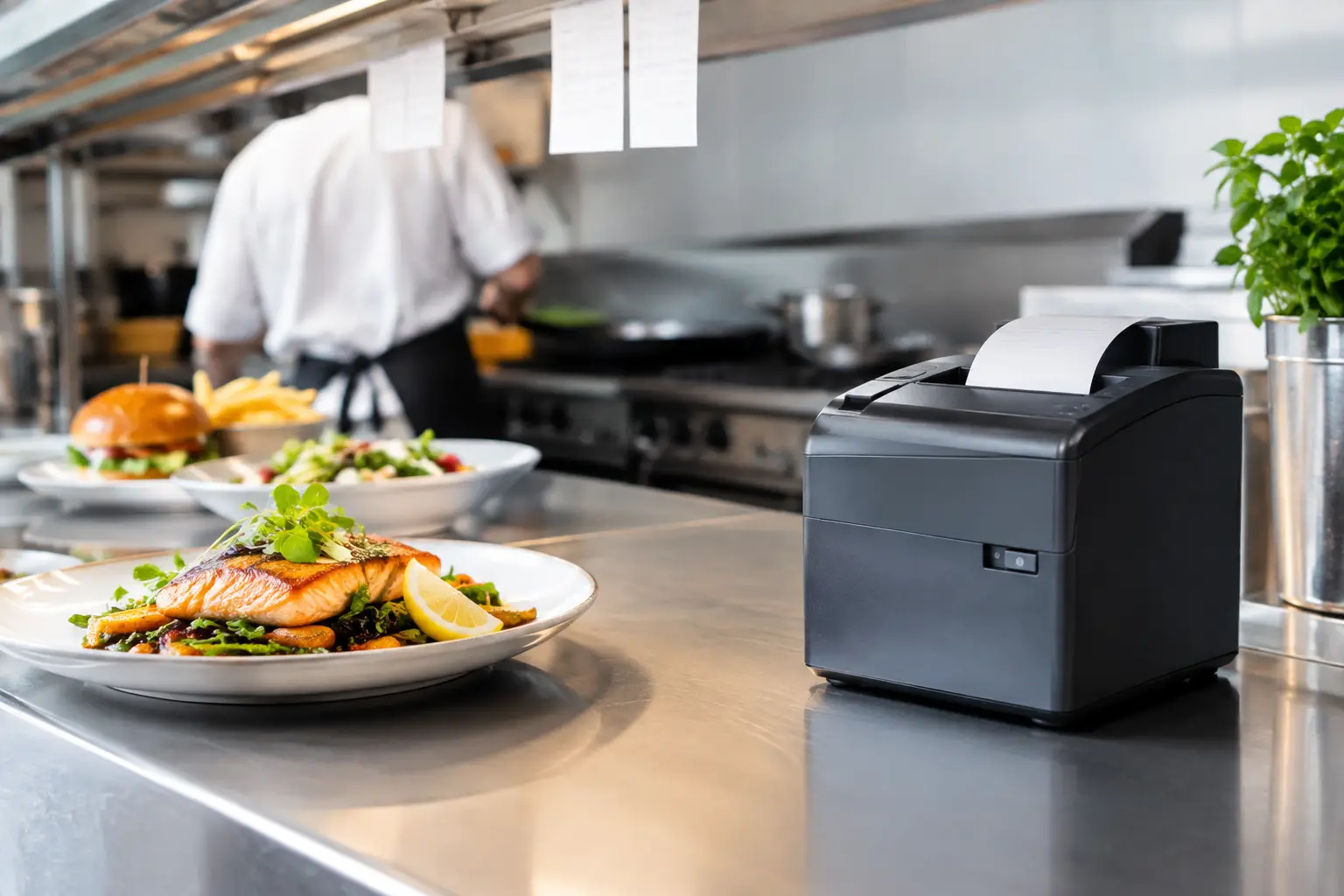
Many business owners hear the word repair and think only of a broken terminal. In practice, onsite work is often broader than that. A fault might sit with the touchscreen, printer, scanner, cash drawer, network connection, software configuration, cabling or power supply. In hospitality, the issue may show up as dockets not reaching the kitchen. In retail, it might be barcode scanning delays or EFTPOS integration dropping out at the counter.
An experienced technician does more than swap a part and leave. They look at how the whole setup is working on site, under real conditions, with your staff using it in the normal flow of business. That context matters. A system can behave very differently on a busy shop floor than it does on a workbench.
This is one reason onsite support is so valuable. Some problems are easy to reproduce only in the actual environment. Intermittent network faults, loose cabling, device conflicts, overloaded power boards and settings changed by updates are all easier to identify when the technician can see the full setup in place.
Why sending equipment away is not always practical
Workshop repairs still have their place. If a mainboard has failed or specialist bench testing is needed, taking equipment off site may be the right call. But for many businesses, removing a terminal or printer for several days creates another problem. You are left working around missing hardware, relying on manual workarounds, or trying to borrow substitute equipment at short notice.
That may be manageable for a back-office device. It is far less manageable when the fault affects your front counter during trading hours. An onsite POS repair service reduces that gap because diagnosis happens where the issue occurs. In many cases, the fault can be resolved immediately. If a replacement part is needed, you at least get a clear answer quickly and can plan the next step with less guesswork.
There is also the question of risk. Disconnecting POS equipment, transporting it, and reconnecting everything later can create added downtime if the original issue was not the only problem. On site, the technician can test the terminal, the printer, the network and connected peripherals as one working system before signing off.
The real cost of POS downtime
Most operators do not measure downtime only in repair costs, and they should not. The real cost is usually much higher. Lost transactions are the obvious part, but they are not the whole story.
When a POS system fails, staff often revert to manual processes. That slows service, increases the chance of pricing errors, creates receipt issues, and makes end-of-day reconciliation harder. In food service, missed or delayed orders can affect the customer experience straight away. In retail, queues build fast and customers may simply walk out.
Then there is the admin that follows. Someone has to re-enter sales, correct stock figures, chase missing paperwork or explain discrepancies. A problem that lasted one hour at the counter can easily create several more hours of back-office work later.
That is why speed matters, but so does accuracy. A rushed fix that does not address the root cause may get you through the afternoon and fail again the next day. Good repair work balances urgency with proper diagnosis.
What to expect from a reliable onsite POS repair service
A dependable service starts with responsiveness. If your business is transaction-heavy, you need to know help is available when the problem happens, not next week. Fast triage is important because some faults can be resolved with phone support, while others clearly need a technician on site.
Once on site, the technician should assess both the symptom and the wider system. For example, a printer fault may actually stem from network instability. A frozen POS terminal may point to software issues, storage failure or overheating. A drawer that will not open may be the drawer itself, the printer trigger, the cabling or the POS settings.
Clear communication matters just as much as technical skill. You should be told what has failed, what can be repaired, whether replacement is more economical, and what can be done to reduce the chance of repeat issues. Honest advice is especially important with older equipment. Sometimes repair is the right option. Sometimes it is smarter to replace ageing hardware before it causes another avoidable outage.
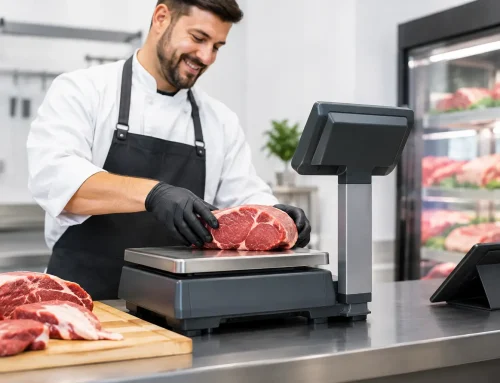
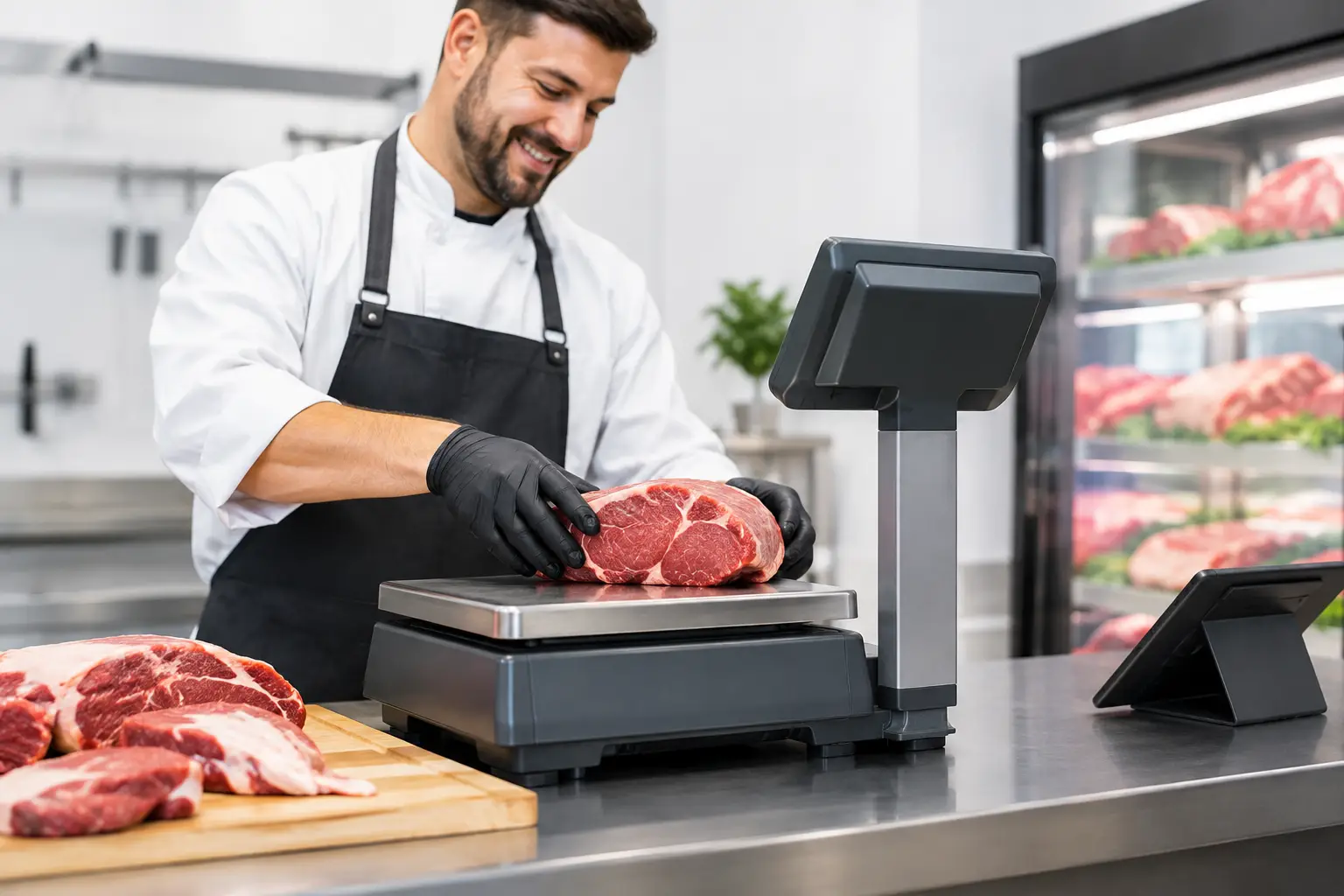
For businesses using integrated systems, capability across connected equipment is a major advantage. If your setup includes receipt printers, barcode scanners, cash drawers, network hardware or trade-approved scales, the support provider needs to understand how those devices interact. Repairing one point of failure without checking the rest of the chain can leave you exposed.
Onsite POS repair service is not just for emergencies
Most businesses think about repairs only when something breaks. In reality, onsite support can also prevent breakdowns becoming urgent. Small warning signs often show up first – devices dropping offline, printers feeding poorly, terminals running slowly, connections cutting in and out, or peripherals becoming unreliable during peak periods.
Calling early can save money and stress. A technician can identify wear, update configurations, secure loose connections and flag hardware nearing end of life before it fails in the middle of trade. That is particularly useful for venues with limited spare equipment or little room for downtime.
For seasonal businesses and event operators, preventative checks are even more valuable. If your busiest periods happen over weekends, holidays or major local events, that is not the time to discover a printer head is failing or a terminal has an unstable network connection. Pre-trade inspection and testing can be as important as emergency repair.
Why local support changes the outcome
There is a practical difference between calling a general help desk and working with a local provider who understands the pressures of businesses in Southeast Queensland. Local support means faster attendance, better familiarity with the industries being served, and less time spent explaining how your site works.
It also means the technician is more likely to understand the broader setup, including older hardware still in use, mixed-brand environments, and the day-to-day reality of hospitality and retail operations. That local, hands-on experience matters when you need a fix that works in the real world, not just in theory.
Electronic Business Equipment supports businesses across the region with on-site and workshop repairs, technical support, and practical advice shaped by decades of combined experience. For operators who need one provider that can supply, configure, service and repair business-critical equipment, that continuity makes life easier.
Choosing the right repair partner
If you are comparing providers, look beyond the call-out fee. Ask whether they support the brands and peripherals you use, whether they can troubleshoot networking and connected devices, and how they handle urgent faults during trading hours. You should also ask what happens if the issue cannot be fixed immediately. Loan equipment, replacement options and realistic turnaround times all matter.
It is also worth considering whether your repair partner can support the rest of your setup over time. Businesses rarely run standalone terminals anymore. POS sits alongside printers, scales, payment devices, routers, labels and software integrations. A provider with broad technical coverage can save you from chasing multiple vendors when one fault affects several parts of the system.
The best onsite POS repair service is not just fast. It is dependable, informed and accountable. It gets your business moving again, explains what went wrong, and helps you avoid the same disruption twice.
If your counter, kitchen pass or checkout lane depends on technology working first time, every time, the smartest repair decision is often the one that brings qualified help straight to your door before a minor fault turns into a trading problem.









Leave A Comment
You must be logged in to post a comment.