
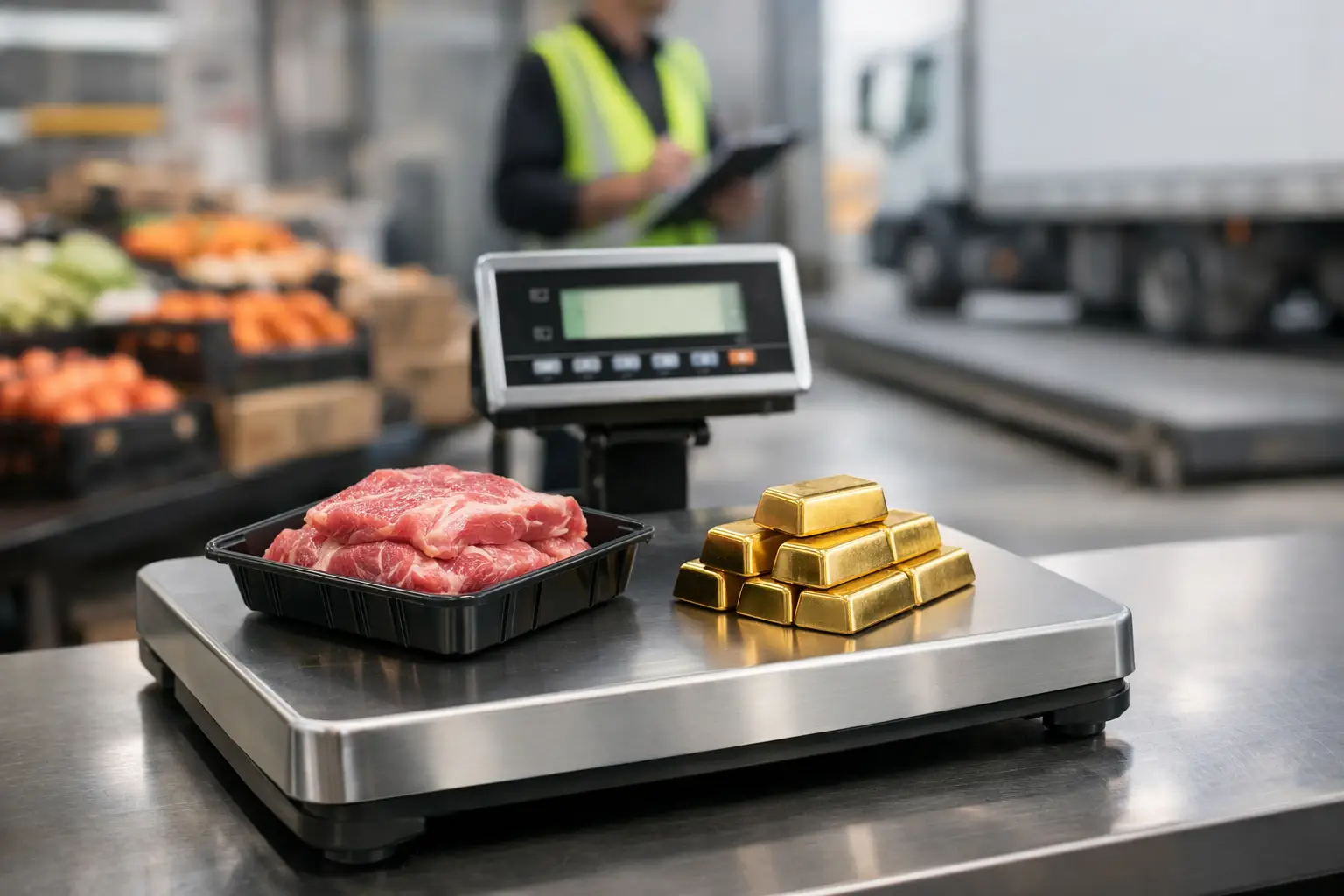
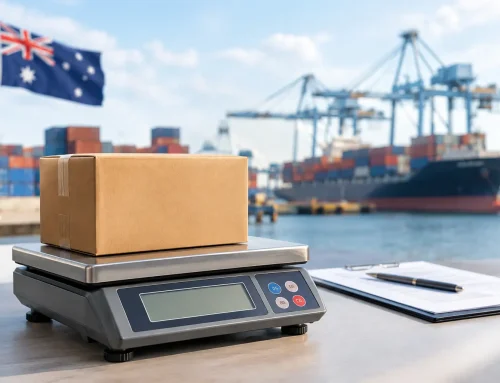
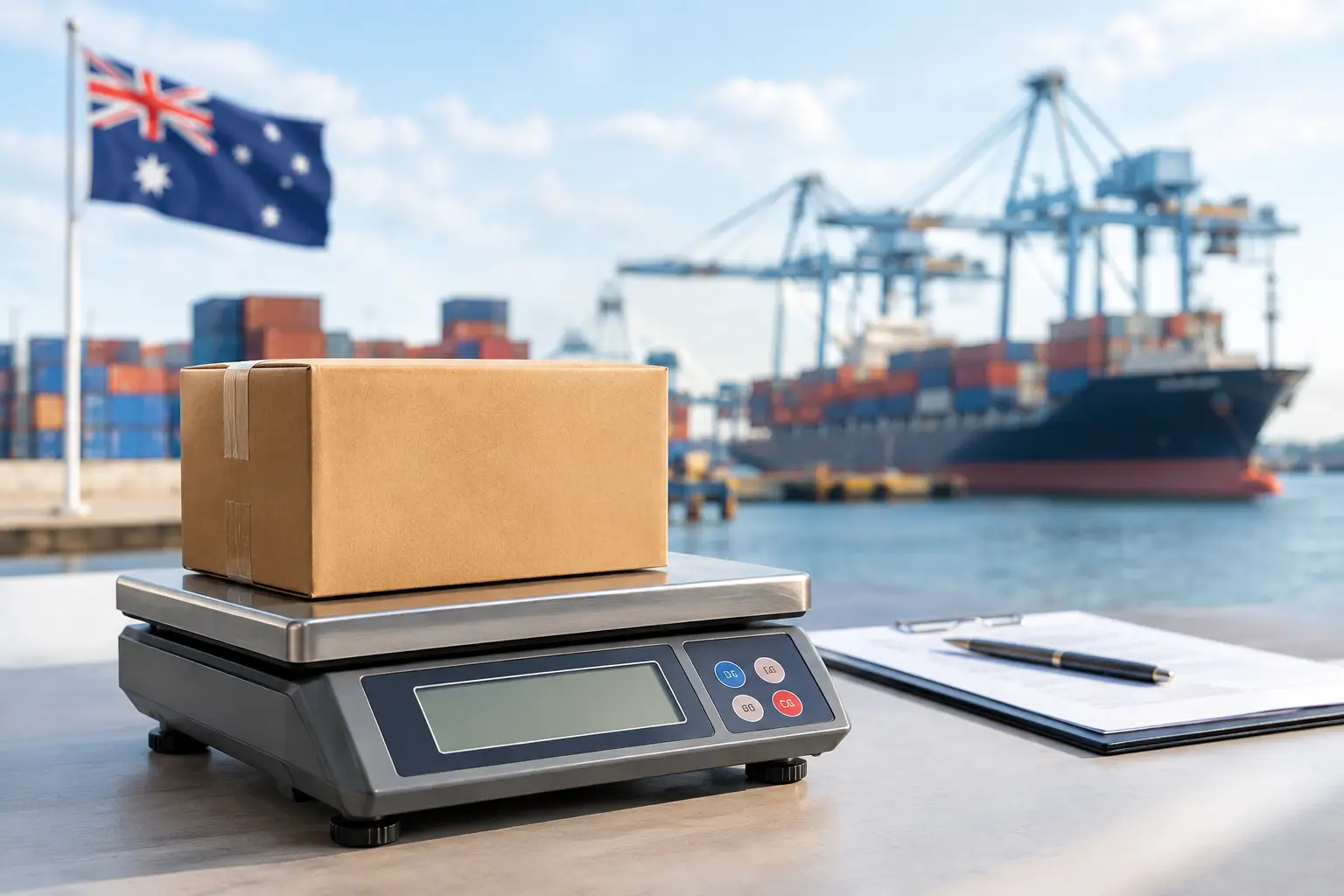
If you sell goods by weight, the scale on your bench is not just another piece of equipment. It is part of the transaction itself. That is why understanding what is trade approved weighing equipment matters for butchers, grocers, delis, cafes, market stalls, health food stores, seafood shops and any business charging customers based on measured weight.
In simple terms, trade approved weighing equipment is a scale or weighing system that is legally approved for use in commercial transactions where weight determines price. If a customer is paying for 500 grams of nuts, 2 kilos of meat or a bag of produce priced per kilogram, the equipment used to determine that amount must meet trade measurement requirements.
That sounds straightforward, but there is often confusion around what counts as trade approved, when it is required and what business owners are actually responsible for. Getting it wrong can lead to inaccurate sales, failed inspections and unnecessary stress. Getting it right gives you confidence that your equipment is compliant, accurate and fit for day-to-day trading.
What is trade approved weighing equipment used for?
Trade approved weighing equipment is used whenever the weight of a product affects how much a customer pays. In other words, if the scale reading directly influences the sale price, the equipment needs to be suitable for trade use.
Common examples include retail scales in butcher shops, deli counters, produce stores, confectionery outlets and market operations. It also applies in some hospitality and food service settings where items are sold by weight, and in industrial or commercial environments where goods are bought or sold on a measured basis.
If you are only using a scale internally for portion control, stock management or recipe preparation, trade approval may not be required. A kitchen using scales to standardise meals is different from a business weighing takeaway food and charging by the kilogram. The key question is simple – is the customer being charged based on that weight?
What makes a scale trade approved?
A trade approved scale is not simply a scale that appears accurate. It must meet recognised approval standards for commercial trade use in Australia. That includes the design of the equipment, its measurement performance and its suitability for the application.
In practice, trade approved equipment is built and assessed to operate within strict tolerances. It also needs to display weight clearly and consistently, and in many cases it must have features that support transparent transactions, such as customer-facing displays or approved printing functions.
Approval is only one part of the picture, though. A compliant scale also needs to be correctly installed, configured for the job and maintained over time. A high-quality scale can still become a problem if it is used in the wrong environment, overloaded, damaged or left out of calibration.
Why approval matters in day-to-day business
For most operators, compliance is not about paperwork for its own sake. It is about protecting the transaction.
When you are selling by weight, both you and your customer need confidence that the amount charged matches the amount delivered. If the scale is under-reading, your business loses margin. If it is over-reading, the customer pays too much. Neither outcome is acceptable, and both can damage trust quickly.
Trade approved weighing equipment helps reduce that risk by giving you a legal and technical standard to work from. It also matters during inspections or disputes. If your scale is approved, properly calibrated and suitable for trade use, you are in a much stronger position than a business relying on a general-purpose scale bought without checking its compliance status.
Who typically needs trade approved scales?
Many small and mid-sized businesses assume trade approval only applies to supermarkets or large food processors. In reality, it is relevant to a wide range of local operators.
If you run a butcher, seafood outlet, fruit and veg shop, deli, market stall, bulk food store or any counter where products are sold per kilogram or per gram, you will usually need trade approved weighing equipment. The same applies to businesses packing and labelling goods for retail sale by weight.
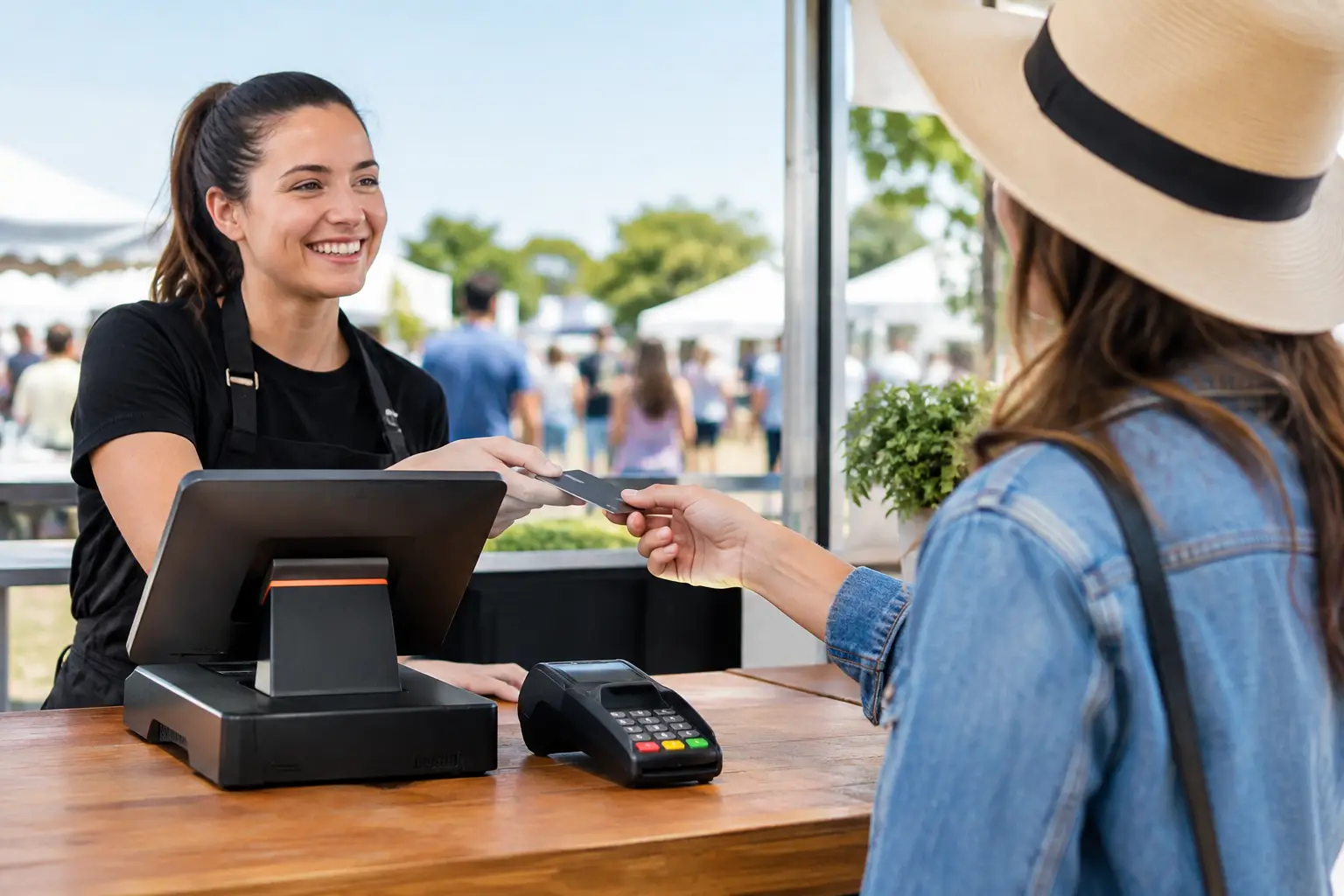
Some settings are less obvious. Specialty retailers selling pet food, cleaning products or refill goods by weight may also need compliant scales. Event vendors and temporary stalls can be caught out here because portable operation does not remove the obligation. If the sale depends on weight, the equipment still needs to be right.
What trade approved does not mean
This is where many people get tripped up. Trade approved does not automatically mean every scale in your business is compliant in every situation.
A scale might be manufactured to trade-approved standards, but if it has not been set up properly for your use, or if it is damaged, moved, overloaded or out of calibration, that creates a risk. Likewise, a scale may be excellent for back-of-house prep and still be unsuitable for customer sales.
It also does not mean one model fits every business. A compact bench scale may suit a deli counter, while a produce shop might need a larger capacity unit with label printing. A mobile market operator may need portability and battery operation, but still has to meet trade requirements. The right choice depends on what you sell, how you sell it and where the scale is used.
How calibration and verification fit in
When businesses ask what is trade approved weighing equipment, they are often really asking a bigger question – how do I stay compliant after I buy it?
That is where calibration, verification and servicing come in. A scale used for trade needs to remain accurate in real operating conditions, not just on day one. Regular checks help confirm that readings are consistent and within acceptable tolerances.
This is especially important in busy environments where scales are used constantly, cleaned frequently or exposed to knocks, moisture, grease, vibration or movement. Even a well-made unit can drift over time or develop faults that are not obvious until stock variances or customer complaints start appearing.
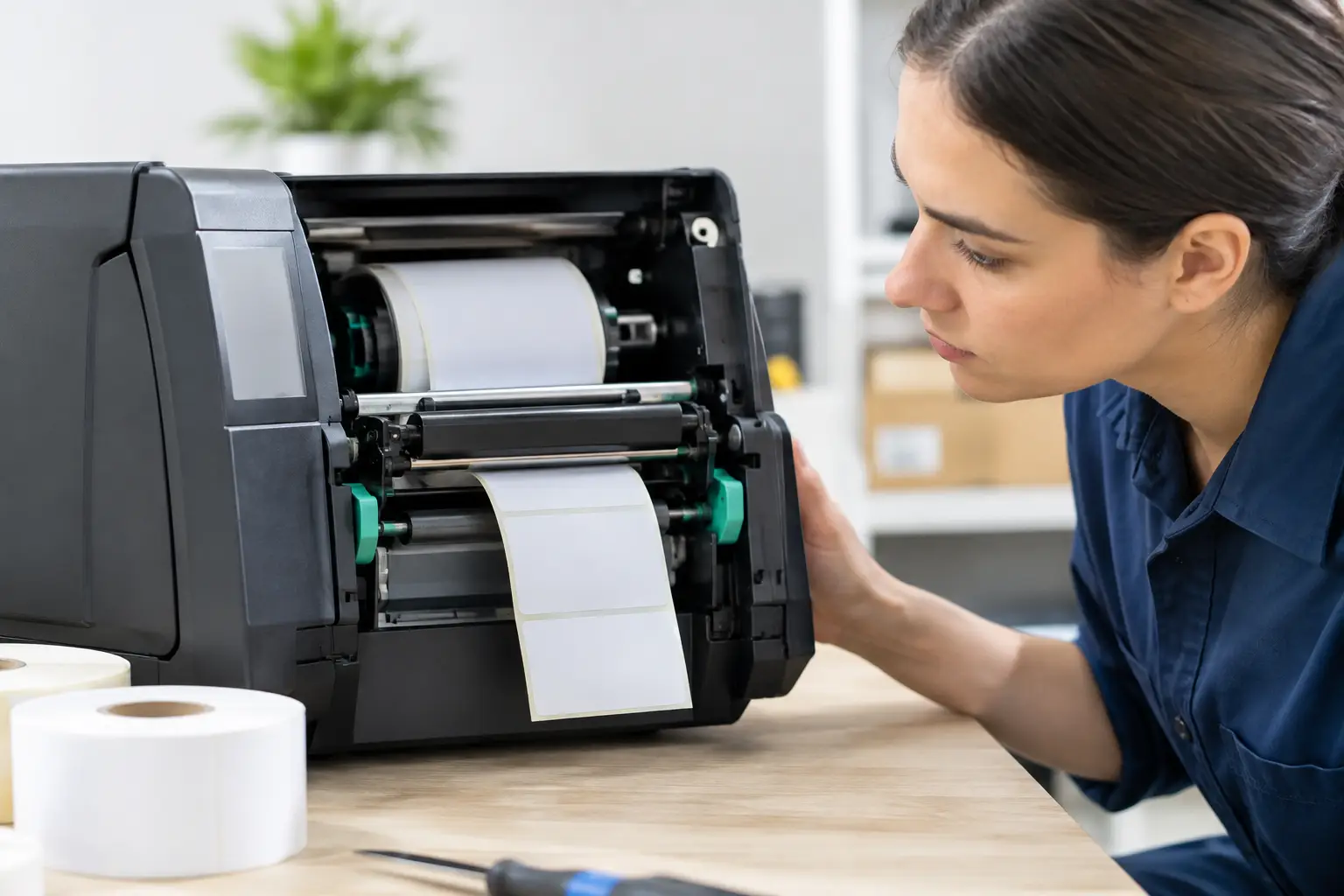
For that reason, many businesses work with a provider that can supply the scale, install it properly and handle calibration and ongoing support. That approach is usually more reliable than buying equipment in isolation and hoping it stays compliant.
Choosing the right trade approved weighing equipment
The best scale is not always the cheapest one on the shelf, and it is not always the most advanced model either. It needs to match your workflow.
Capacity matters because you need enough range for your products without sacrificing accuracy at lower weights. Readability matters because staff need to work quickly and customers need to see the result clearly. The operating environment matters too. A fish shop, bakery and weekend market stall all place different demands on equipment.
You should also consider how the scale connects with the rest of your operation. Some businesses need integrated label printing, POS connectivity or stock management support. Others simply need a dependable bench scale that reads accurately every time. There is no benefit in paying for features you will never use, but there is real cost in buying equipment that slows staff down or does not meet compliance needs.
Why local support makes a difference
When a scale goes down, service matters more than specifications. For businesses that trade all day, equipment issues can quickly affect sales, staff efficiency and customer confidence.
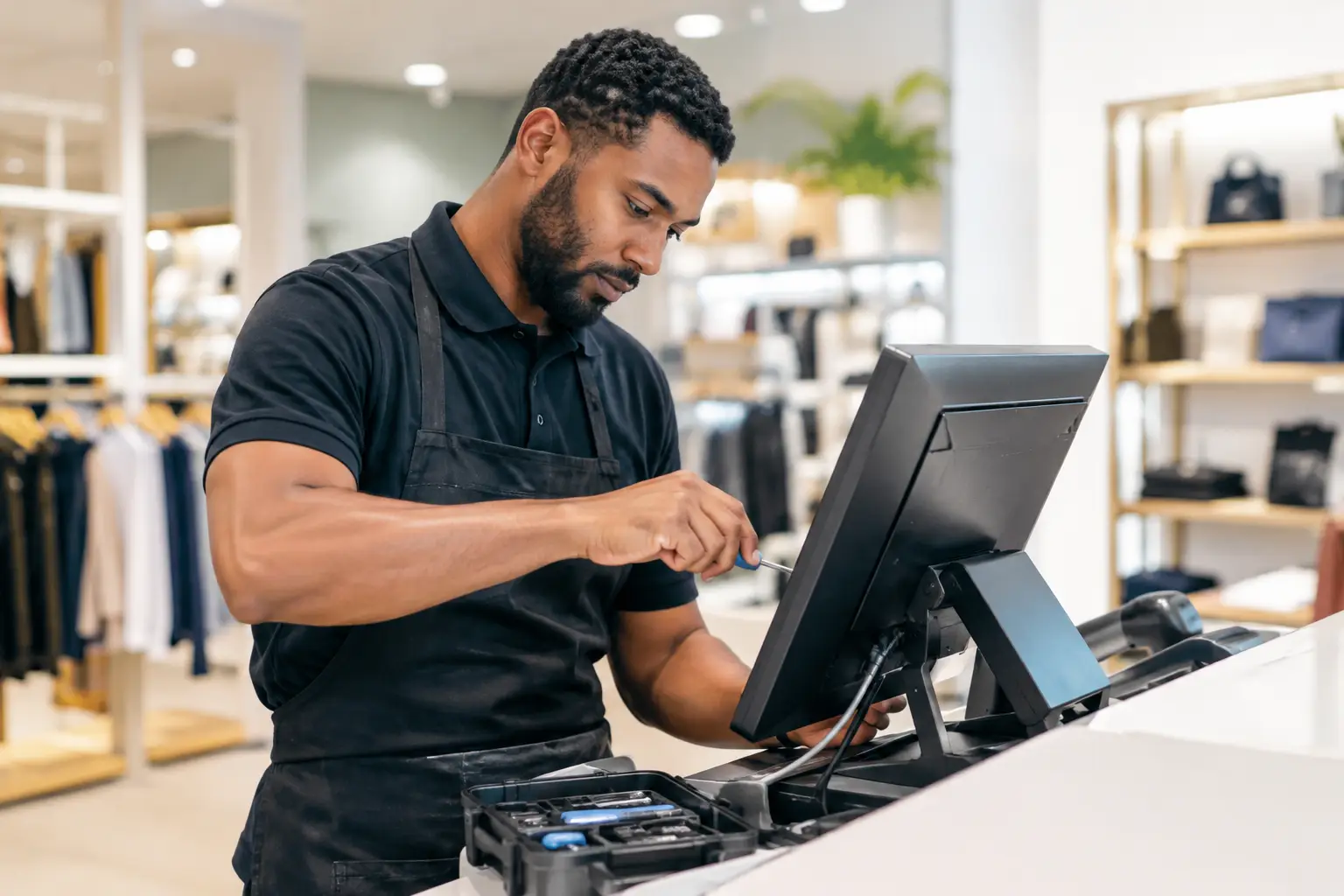
That is why local technical support is worth taking seriously. Being able to call a team that understands trade measurement requirements, can inspect faults properly and can arrange calibration, repair or replacement without long delays makes a practical difference. It also helps when opening a new site, replacing ageing equipment or checking whether an existing setup is still suitable for trade use.
For businesses across Southeast Queensland, working with a provider such as Electronic Business Equipment can simplify the whole process because supply, setup, servicing and technical support sit under one roof. That reduces guesswork and helps keep business-critical equipment operating as it should.
What to do if you are unsure
If you are not sure whether your current scale is trade approved, do not assume it is fine because it still powers on and gives a reading. The safer move is to have the equipment checked against how it is actually being used.
Start with the transaction itself. Ask whether the weight shown on that scale affects the amount your customer is charged. If the answer is yes, then trade compliance needs attention. From there, the next step is confirming that the equipment is suitable, correctly configured and properly maintained.
That small check now can save a much larger problem later. When your scale is the basis of the sale, accuracy is not a nice extra. It is part of doing business properly, and it is worth having the right support behind it.

Leave A Comment
You must be logged in to post a comment.