
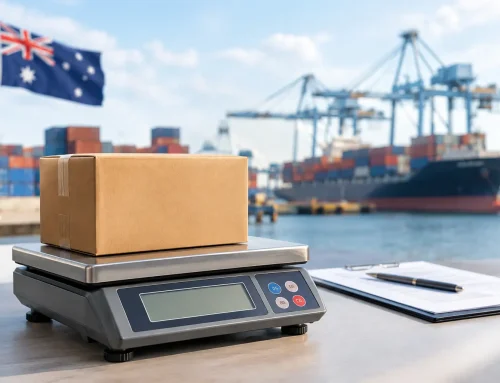
A few grams might not sound like much until they start affecting every sale. If you rely on weighed items at the counter, knowing how to calibrate retail scales matters for more than accuracy alone. It affects pricing, customer trust, stock control and, in some cases, your compliance obligations under trade measurement rules.
For many Australian retailers, food businesses and market operators, the real issue is not whether a scale can be adjusted. It is whether it should be adjusted on site, by whom, and under what conditions. That distinction matters because a scale used for trade is not the same as a back-room check scale.
How to calibrate retail scales – start with the scale’s purpose
Before touching any settings, confirm what the scale is used for. If it is a trade-approved retail scale used to sell goods by weight, calibration is tied to legal accuracy requirements. In that case, there is a difference between a basic accuracy check and a formal calibration or verification process.
If the scale is only being used internally for portioning, prep or stock checks, your options are broader. You can usually carry out routine checks in-house, provided you follow the manufacturer’s instructions and use suitable test weights. If the scale is used in customer transactions, caution is essential. Incorrect adjustment can create compliance issues as well as inaccurate sales.
The first practical step is simple: identify the make, model, capacity and approval status of the unit. Most scale problems begin when staff assume every scale works the same way. They do not. Some models allow limited user calibration, some require service mode access, and some should only be adjusted by a qualified technician.
What you need before calibration
The biggest mistake in retail scale calibration is trying to do it with the wrong weights in the wrong environment. A scale is only as accurate as the reference standard used to test it.
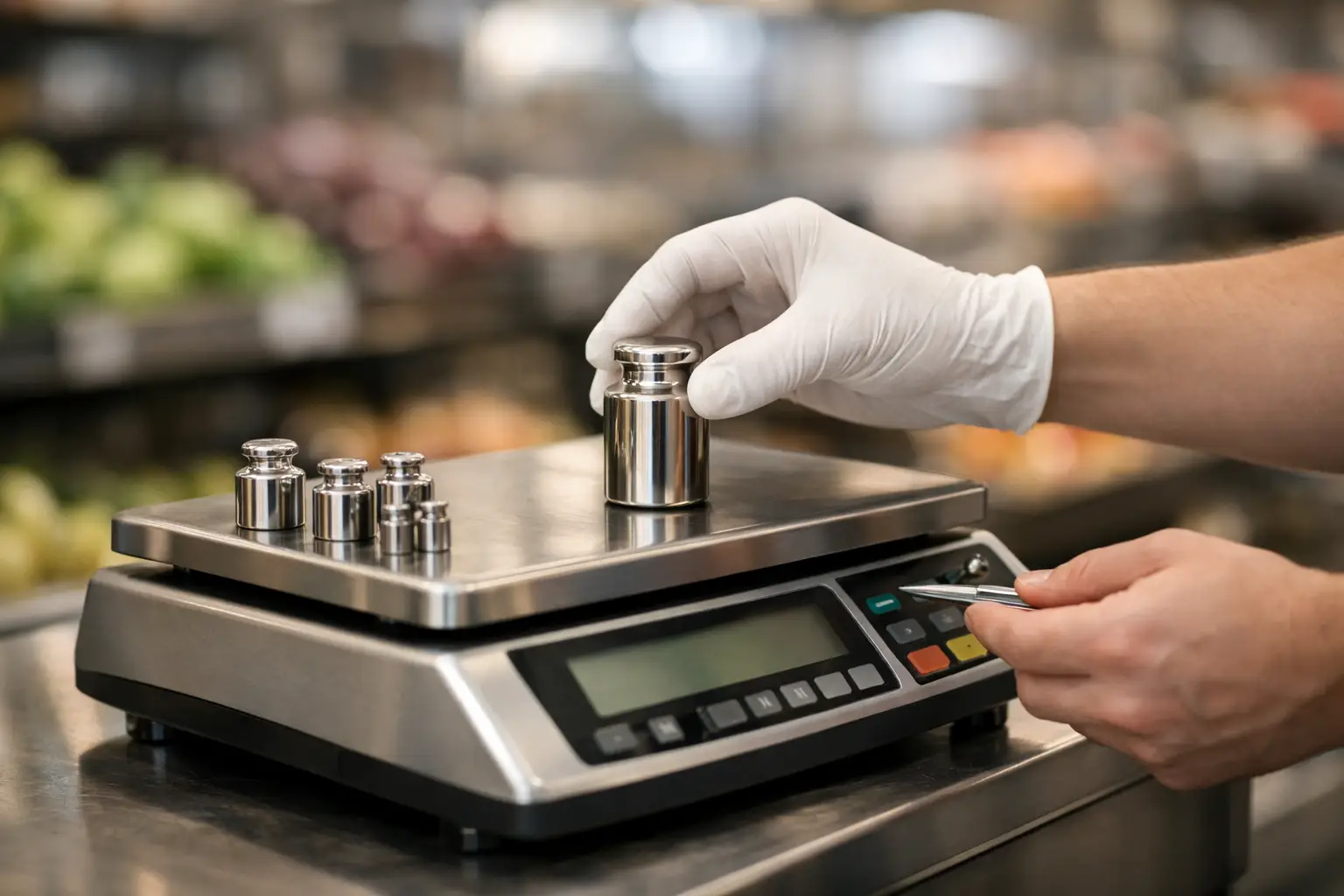
You will need certified test weights that match the scale’s required calibration points. For a small bench scale, that may be a single known weight or a sequence of weights across the operating range. Household items, packaged goods and improvised substitutes are not good enough. Even if they look close, they are not reliable reference standards.
You also need a stable setup. Place the scale on a level, vibration-free surface away from draughts, fans, open doors and direct sunlight. In a busy shop or kitchen, that can be harder than it sounds. Air movement, bench flex and temperature shifts all affect readings, especially on finer-resolution units.
Give the scale time to warm up if the manufacturer requires it. Many electronic scales need a stabilisation period after power-up before they will read consistently. If you skip that step, you may calibrate against a drifting baseline and end up making the problem worse.
The basic process for how to calibrate retail scales
The exact sequence varies by model, but the general process is usually straightforward when done correctly.
Start by cleaning the platter and checking for obvious issues. Bits of packaging, food debris, bent feet or a damaged load cell can all mimic calibration faults. If the scale has adjustable feet and a level bubble, make sure it is sitting correctly before you begin.
Next, zero the scale with nothing on the platter. Watch the display for stability. If the reading wanders, there may be an environmental issue or a fault that calibration will not fix.
Enter calibration mode according to the manufacturer’s procedure. On some units this involves a button sequence at startup. On others it requires a sealed access point or service menu. Follow the model-specific instructions carefully. Guesswork here can alter settings you did not intend to change, including division values, capacity limits or communication settings linked to your POS.
When prompted, apply the required test weight. Place it gently in the centre of the platter and wait for the reading to settle. The scale will either accept the value automatically or ask for confirmation. Some models require more than one test point, which is a good thing because a scale can appear accurate at one weight and still drift across the rest of its range.
After calibration, remove the weight and recheck zero. Then test the scale at several points, not just the calibration point. For example, if you regularly weigh produce from 200 grams to 5 kilograms, test across that range. A pass at maximum load does not always mean accurate readings at lower loads.
When calibration is not the real problem
Not every inaccurate reading means the scale needs calibration. In practice, a lot of service calls come down to other faults.
A worn or overloaded load cell can produce repeatability issues that no amount of recalibration will solve. Damaged cables, moisture ingress, unstable power supplies and faulty indicator boards can also cause drifting or erratic readings. In food and hospitality settings, grease, washdown exposure and accidental impacts are common contributors.
This is why repeated calibration attempts can be a red flag. If the scale keeps falling out of tolerance, the smarter move is to inspect the hardware rather than keep adjusting the software. Calibration should confirm performance, not compensate for a failing component.
Trade-approved scales need more than a quick adjustment
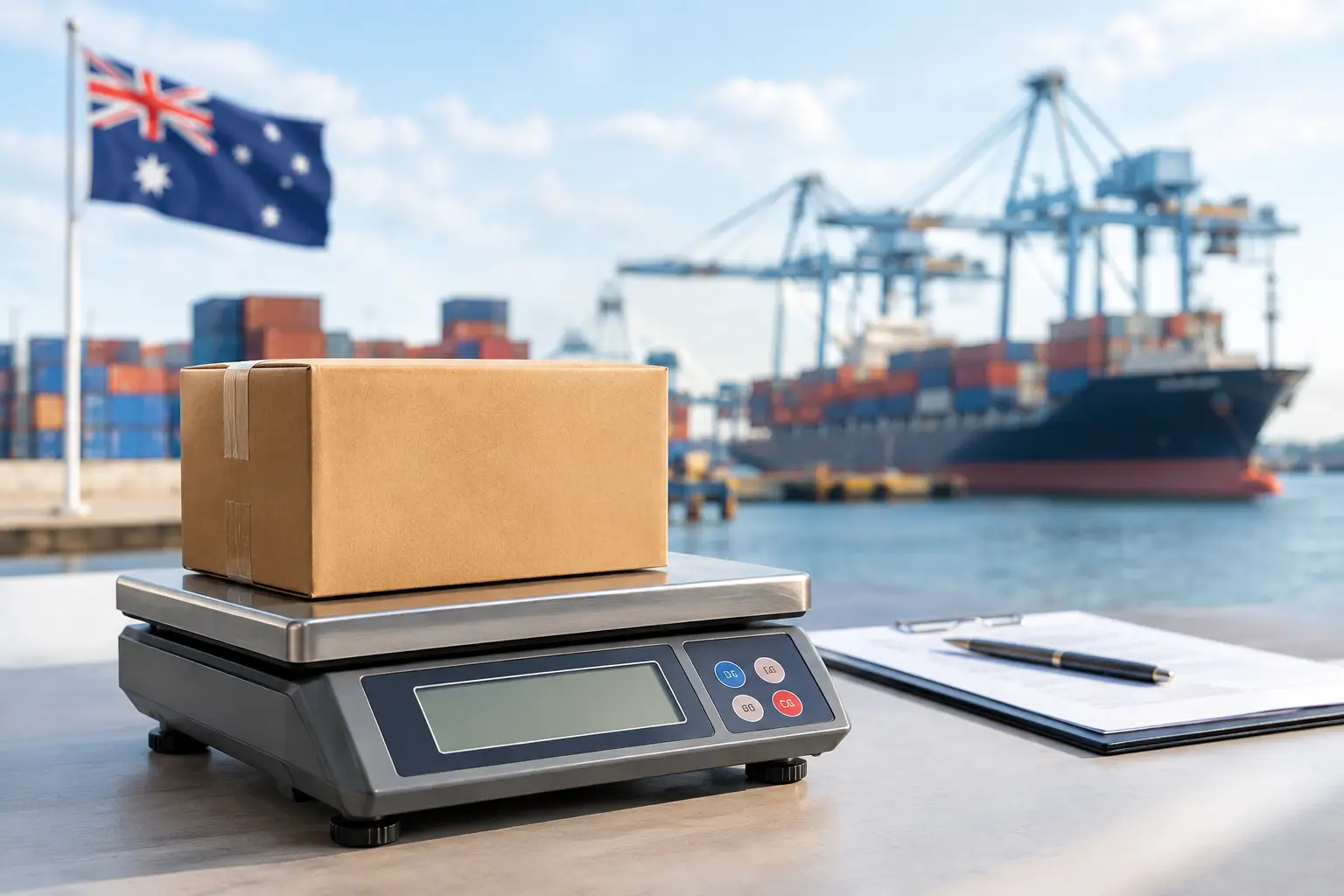
If your retail scale is used to determine a sale price, the stakes are higher. Australian trade measurement requirements apply to instruments used in commercial transactions by weight. That means accuracy is not just an operational issue. It is a compliance issue.
For trade use equipment, calibration and verification should be handled with care and, in many cases, by a licensed technician. A business owner can perform routine checks and spot problems early, but formal work on a trade-approved instrument may require the right authority, test equipment and documentation.
That is especially relevant if the scale has a verification mark, tamper-evident seal or approval conditions attached to it. Breaking seals or entering protected service modes without proper authority can create unnecessary headaches. If you are unsure, stop before making adjustments.
For many businesses, the practical approach is to separate day-to-day checks from formal compliance work. Staff can verify that readings look sensible using known test weights. If anything is off, call in a qualified technician to assess, calibrate and verify the unit properly.
How often should retail scales be calibrated?
There is no one-size-fits-all answer. It depends on how heavily the scale is used, the environment it operates in and the risk attached to an incorrect reading.
A supermarket deli scale used continuously all day will generally need closer attention than a scale used occasionally for back-room stock checks. The same goes for equipment in hot kitchens, mobile market setups or venues where scales are frequently moved. Relocation alone can affect levelling and accuracy.
As a general rule, scales should be checked regularly and calibrated on a scheduled basis or whenever there is a reason to question their accuracy. Common triggers include failed spot checks, physical knocks, power issues, relocation, repairs or noticeable pricing discrepancies.
If your business has multiple scales, set a calibration schedule and keep records. It does not need to be complicated. What matters is consistency. A simple log of test dates, findings and service work helps you spot patterns before they become expensive problems.
Practical tips for busy retail and food businesses
The best calibration routine is the one your team will actually follow. In most small to mid-sized businesses, that means keeping it practical.
Train staff to recognise early warning signs such as drifting zero, slow stabilisation, inconsistent repeat readings or customer complaints about weight-based pricing. Keep suitable test weights on hand and store them properly so they do not become damaged or contaminated. Make scale checks part of opening procedures if weighed sales are central to the business.
It also helps to protect the scale from avoidable stress. Do not overload it, use it as a general bench surface or drag heavy items across the platter. If the unit is washdown-rated, clean it appropriately. If it is not, excess moisture can shorten its life quickly.
Where businesses often get caught out is trying to save time by making ad hoc adjustments during service. That can backfire fast, especially on integrated retail scales connected to labels, pricing databases or POS systems. One incorrect setting can create a much bigger issue than the original reading error.
When to call a technician
If the scale is trade-approved, if you do not have certified test weights, or if the unit is showing unstable behaviour, it is usually time to call a technician. The same applies if the scale has suffered impact damage, failed a repeatability check, or keeps drifting after adjustment.
For businesses across Southeast Queensland, having a local service partner matters because scale issues rarely happen at a convenient time. A technician can do more than recalibrate. They can confirm whether the problem is environmental, mechanical, electronic or compliance-related, then get the unit back into reliable working order.
That kind of support is where a service-led provider like EBE can make a real difference. When your scales are tied to daily sales, you need clear advice, proper testing and a fix that holds up under real operating conditions.
A retail scale should be one of the quiet achievers in your business – accurate, dependable and easy to trust. If you are second-guessing the reading, it is probably time to check it properly before a small error turns into a bigger one.






Leave A Comment
You must be logged in to post a comment.