

A scale that looks fine at the counter can still create a problem during an inspection. A faded verification mark, an uneven bench, missing service records or a staff member using the wrong unit can all raise questions. Knowing how to prepare for a scales audit gives you time to correct small issues before they interrupt trading, affect customer trust or become a compliance concern.
For butcher shops, delis, grocers, takeaway venues, market operators and other businesses selling by weight, your scale is part of the transaction. It needs to be accurate, suitable for its purpose and properly maintained. The best preparation is not a last-minute tidy-up. It is a simple routine that keeps your equipment, records and team ready every day.
Start by understanding what your scales are used for
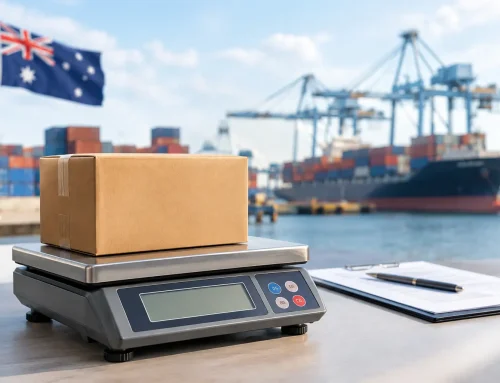
First, identify every scale used to determine a price, quantity or charge to a customer. This includes counter scales, label-printing retail scales, bench scales, hanging scales and portable units used at markets or events. If the weight affects what the customer pays, it generally needs to be approved for trade use and kept in working order.
Do not assume that a scale is suitable simply because it is accurate enough for kitchen prep or stock control. A non-trade scale may be useful in the back room, but it should not be used to calculate a customer sale by weight. Make the distinction clear to staff, particularly where several scales are used in the same work area.
A scales audit may be an internal check, preparation for a service visit, or readiness for an official trade measurement inspection. The practical groundwork is much the same: confirm what equipment is in use, check its condition and ensure your records show that it has been looked after.
How to prepare for a scales audit with the right records
Good records turn a rushed inspection into a straightforward conversation. Keep a dedicated folder, either printed or digital, for each trade scale. It should be easy for a manager to access even when the usual staff member is away.
For each unit, record the make, model, serial number, location and the job it performs. Add copies of verification documentation where available, service reports, calibration or testing reports, repair invoices and notes of any faults reported by staff. If a scale has been moved, replaced or taken out of trade use, note the date and reason.
It also helps to retain a short log of regular in-house checks. This does not replace professional servicing or trade verification, but it demonstrates that your business takes accuracy seriously. Record the date, the staff member, the test weight used, the displayed result and any action taken.
Keep paperwork matched to the correct scale. In a busy store, it is easy to file a service sheet under the wrong serial number, especially when several units look similar. A small asset label on the side or underside of each scale can prevent confusion.
Calibration and verification are not the same thing
These terms are often used interchangeably, but they describe different tasks. Calibration checks or adjusts a scale against known standards so it performs accurately. Verification is the formal process confirming a trade instrument meets applicable requirements for use in trade.
The service your business needs depends on the scale, its use, its history and its verification status. If you are unsure whether a unit can be used for customer transactions, ask a qualified trade-measurement technician before relying on it. Continuing to use a questionable scale because it is still switching on is not worth the risk.
Inspect each scale where it is actually used
A clean, stable installation is as important as the scale itself. Before an audit, inspect every unit in its normal operating position. The platform must sit level and clear of packaging, product residue and loose labels. Check that no cable, wall, shelf or bench edge is touching the platform or interfering with movement.
Look at the display from the customer side as well. Prices, weights and units need to be readable. A dim display, cracked screen or intermittent backlight may not change the measurement, but it can make a transaction difficult to verify and should be repaired.
Run through the basic operation. With an empty platform, the display should settle at zero. Place a known test weight on the platform and check that the result is stable and repeatable. Remove the weight and confirm the scale returns to zero. Repeat this at more than one point in the scale’s working range where practical.
Watch for warning signs such as drifting weight readings, a platform that binds, a zero that will not hold, error messages, damaged seals, loose feet or a scale that only works after repeated restarting. Do not try to repair internal components or alter adjustments yourself. Take the unit out of trade use if its result is in doubt, label it clearly and arrange professional assessment.
Check labels, pricing and connected systems
For label-printing scales and POS-connected equipment, accuracy is more than the number on the display. Confirm the product database has the correct product names, prices, units and barcodes. A scale can weigh correctly while an outdated price file produces the wrong charge.
Print a test label and inspect it as a customer would. It should clearly show the relevant product information, net weight, price per kilogram where applicable and total price. Where tare weights are used for trays, containers or wrapping, make sure they are set correctly and staff understand when to apply them.
If your scale sends data to a POS system, test a small range of common products. Confirm the item scans correctly, the price matches the scale label and the sale is recorded in the right department. System updates, power interruptions and changes to product files can create mismatches that are not obvious until the counter is busy.
Give staff a simple, consistent process
Your team does not need a technical lecture, but they do need clear instructions. Show staff which scales are approved for trade transactions, how to check zero before use and what to do if a reading looks wrong. New starters, casuals and market staff deserve particular attention because they may not know which equipment is customer-facing.
A short opening routine is usually enough: check the platform is clean and unobstructed, confirm zero, use a known test weight where your procedure requires it, and report any issue before serving customers. Make it clear that a fault is not something to work around during a rush.
Managers should also know where the records are kept and who to contact for support. During an inspection or audit, confidence comes from being able to show the equipment history and explain the daily process without searching through old emails or guessing who last serviced the scale.
Plan service before the busy period
Do not leave scale maintenance until the week before Christmas, Easter, a major event or a seasonal rush. Your busiest trading periods are when a faulty scale costs the most in delays, lost sales and staff frustration. Booking checks and service work early gives you more options if parts, repairs or verification are required.
Portable scales need extra attention. Transport, uneven market surfaces, moisture and repeated loading can affect performance. Before an event, inspect the case, power supply, feet and platform, then test the scale on a stable level surface. Bring only equipment that is fit for purpose and has current supporting documentation available if needed.
For businesses across Southeast Queensland, EBE can assist with trade-approved weighing equipment, licensed scale calibration and verification support, repairs and practical advice on keeping your equipment ready for trade. The right service plan depends on how heavily the scale is used, where it operates and how much downtime your business can tolerate.
A well-prepared scales audit is ultimately about protecting the fairness of every sale. When your scales are clean, tested, correctly documented and supported by staff who know what to do, you can keep serving customers with confidence when the pressure is on.










Leave A Comment
You must be logged in to post a comment.