
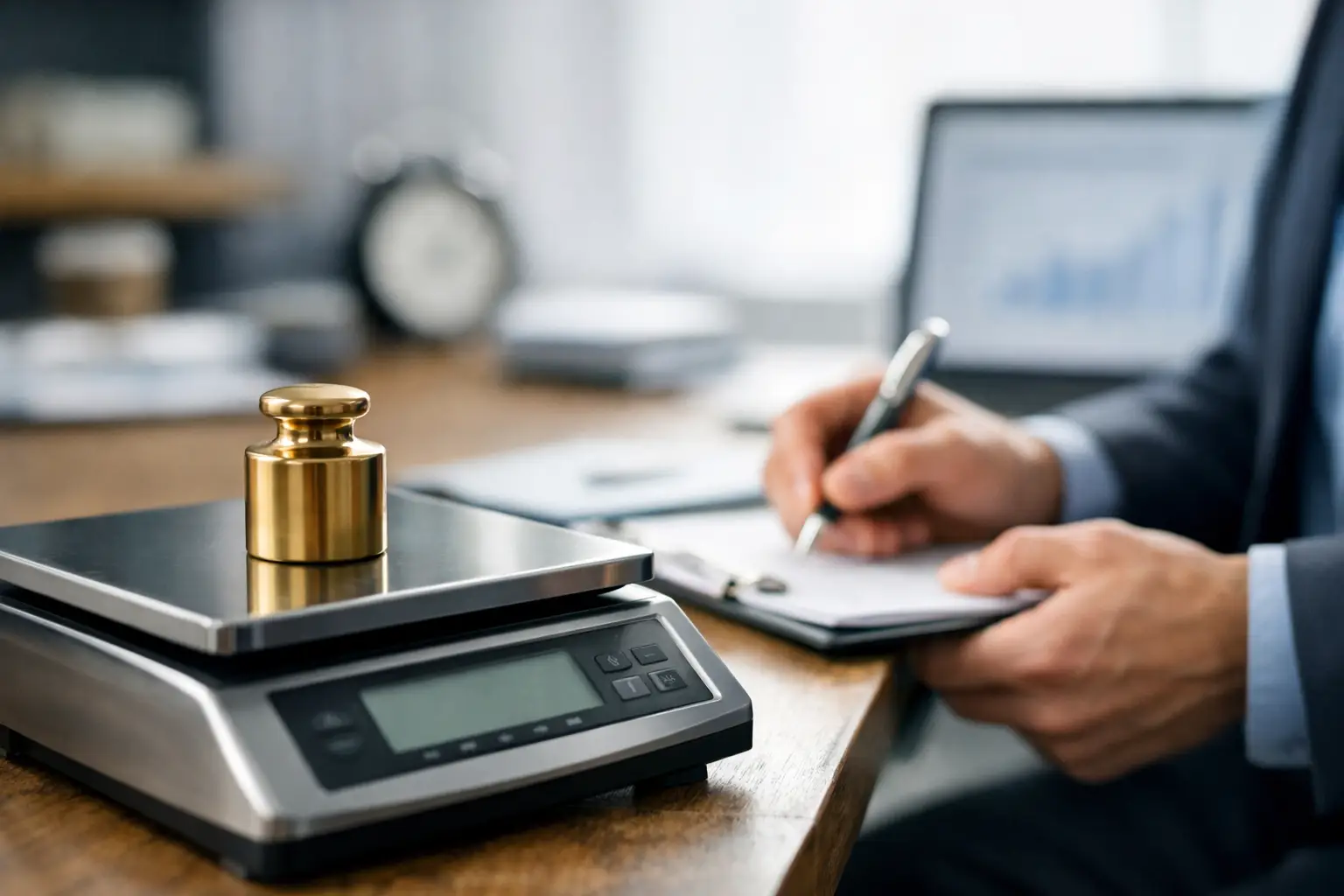
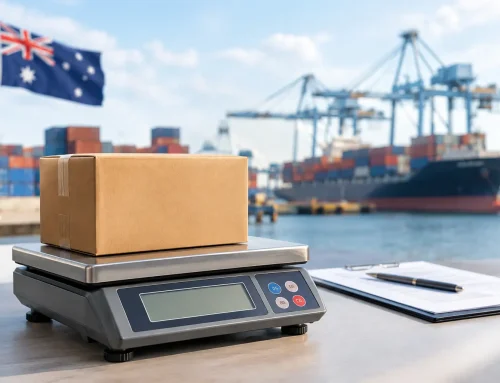
A scale that reads a few grams out can become a much bigger problem once it is used to sell meat, produce, deli goods or bulk ingredients. It can affect your margins, customer confidence and, where weight determines price, your trade measurement obligations. The question, “when should scales be verified?”, has a straightforward starting point: before a scale is used for trade. After that, the right timing depends on the equipment, how it is used and whether anything has happened that could affect its accuracy.
For busy Queensland retailers, cafes, butchers, grocers and market operators, verification should not be treated as a one-off compliance task. It is part of keeping a customer-facing operation reliable.
What scale verification means
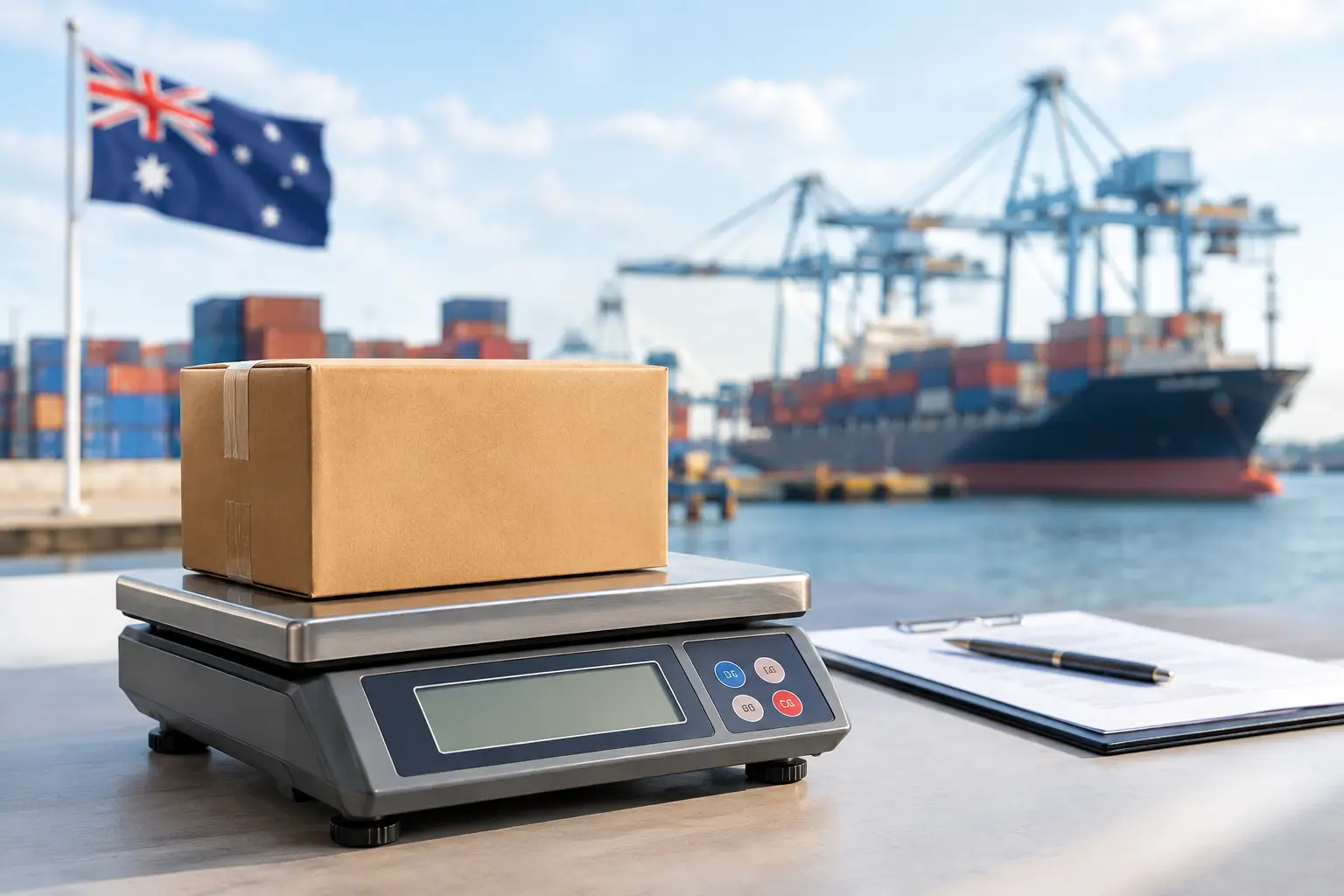
Verification is the formal process of confirming that a trade measuring instrument meets the required accuracy and performance standards for its intended use. A verified scale carries the appropriate verification marking and can be used where the price a customer pays is based on weight.
This is different from a quick staff check with a known test weight. Daily or weekly checks are good operational practice, but they do not replace formal verification. They help you spot a problem early so it can be assessed before incorrect measurements affect sales.
It is also different from calibration, although the two are closely connected. Calibration assesses and, where necessary, adjusts a scale against known standards. Verification confirms the instrument complies for trade use. In practice, a technician may inspect, test and calibrate equipment as part of preparing it for verification, but the terms should not be used interchangeably.
When should scales be verified for trade?
A trade-approved scale needs verification before it is put into service for a transaction where weight is used to calculate the price. This applies whether you are installing a new deli scale, bringing in a replacement unit or setting up equipment for a new shop, pop-up stall or food service operation.
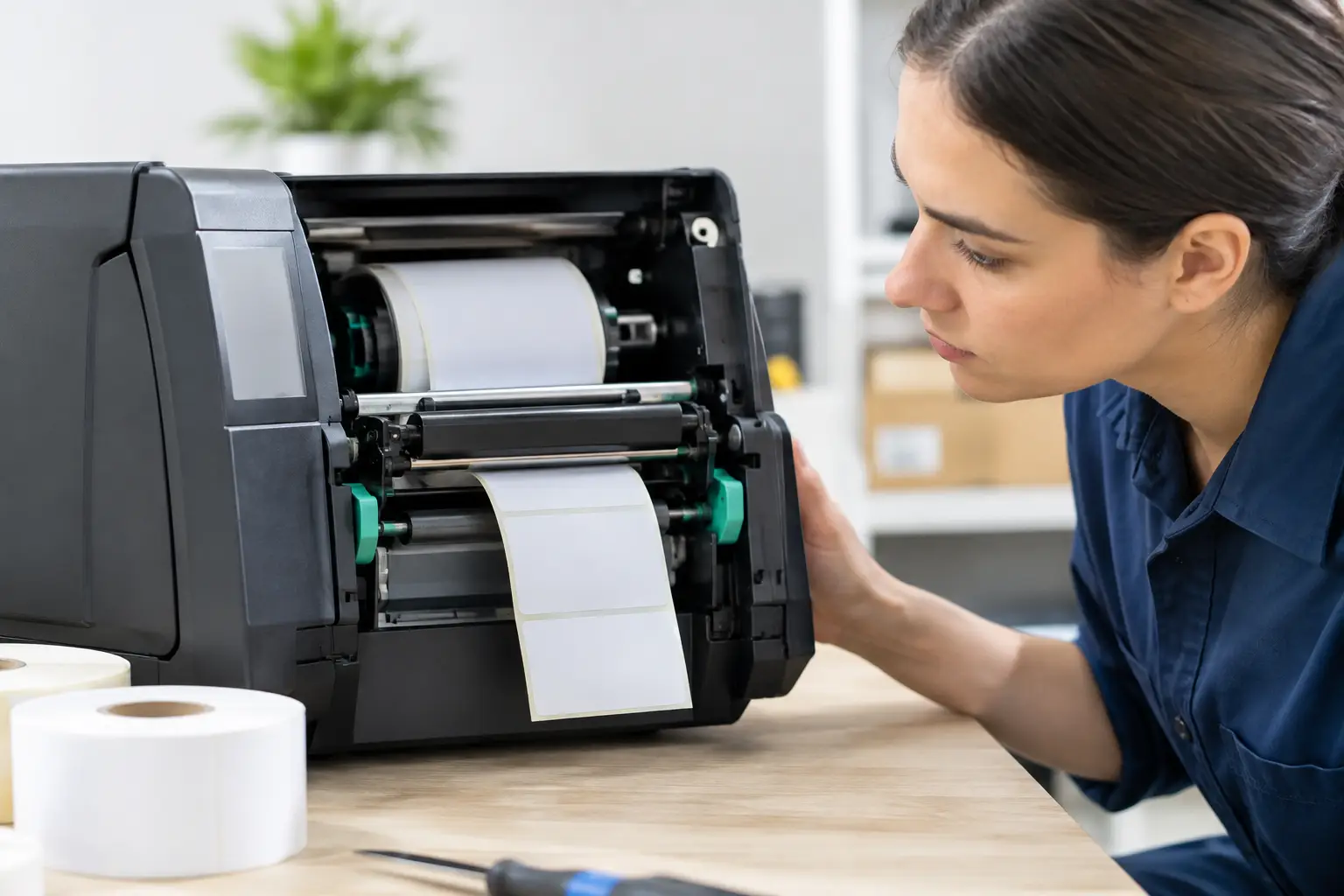
Verification may also be required when an instrument has been repaired, adjusted or altered in a way that could affect its measurement performance or its verification marks. A repair to a display, printer or power supply may not always affect weighing accuracy. However, work involving the load cell, indicator, internal electronics, levelling system, calibration settings or sealing can require further testing and verification before the scale returns to trade use.
Moving a scale deserves attention too. A bench scale relocated across a counter may only need to be levelled and checked. Equipment moved between sites, transported in a vehicle, exposed to knocks, or installed on an uneven surface is at greater risk of producing inaccurate readings. Do not assume a scale is ready to trade simply because it powers on and displays zero.
There is not one universal annual verification date that applies to every business and every scale. Your responsibilities can vary according to the instrument, its approval, the work performed and the conditions of use. If you are unsure, seek advice from a licensed scale technician before continuing to use the equipment for trade.
Events that should prompt an immediate check
Rather than waiting for an issue to become obvious, treat certain events as a trigger for assessment. This is particularly important in high-volume environments, where small errors can be repeated hundreds of times a day.
Arrange a professional check if your scale has been dropped, bumped by stock or a trolley, affected by water ingress, exposed to heat, or damaged during cleaning. The same applies if the reading drifts while the platter is empty, the display is intermittent, the scale will not return to zero, or two identical items produce noticeably different results.
Pay close attention after electrical faults and power disruptions. Modern retail scales often connect to POS systems, label printers and networks. A communication issue may be separate from the weighing function, but a fault should still be investigated properly rather than worked around at the counter.
A customer query can also reveal a problem. If customers or staff regularly question weight readings, do not rely on guesswork. Take the scale out of trade use if there is a genuine concern about accuracy, then have it inspected. Continuing to use suspect equipment creates avoidable compliance and reputation risks.
Regular servicing helps prevent verification problems
Formal verification addresses legal trade use. Preventive servicing protects the scale between those key points. The right service frequency depends on workload and environment.
A scale in a quiet retail store may have an easier life than one on a busy takeaway counter, in a bakery with airborne flour, or at an outdoor market exposed to moisture and transport. Heavy use, wash-down areas, vibration and temperature changes all place extra strain on components and increase the chance of drift or damage.
As a practical routine, staff should check that the scale is clean, level and stable at the start of the day. The platter should move freely, nothing should be wedged underneath it, and the display should return to zero with no load applied. A simple check using suitable known weights can help identify inconsistencies, provided staff understand it is only an operational check.
Keep a brief record of checks, faults and repairs. It does not need to be complicated. Recording when a scale was moved, when a reading seemed unusual, or when a technician attended gives managers a clear history and helps identify recurring problems. It also prevents a fault being passed quietly from one shift to the next.
Signs your scale may no longer be accurate
Most scale issues show warning signs before they become a complete failure. Readings that fluctuate without a load, a zero point that keeps changing, slow response times and an uneven or damaged platter all warrant attention.
Another common sign is poor repeatability. Put the same known item on the scale several times. If the result changes materially each time, the equipment should be checked. Similarly, if the scale reads correctly with a small item but performs poorly closer to its maximum capacity, it may have a load cell or calibration issue.
Do not try to solve a trade measurement problem by changing settings until the display looks right. Unauthorised adjustments can create further compliance issues and may affect verification status. The safer option is to isolate the equipment where needed and have a qualified technician diagnose the cause.
Choosing the right response for your business
The right response depends on whether the scale is used for trade and what has gone wrong. A kitchen scale used only to portion ingredients internally may not need trade verification, but it still needs to be accurate enough for your recipes, food costs and consistency. A scale used to charge customers by weight needs a higher level of control because the measurement directly affects the transaction.
For trade equipment, use a provider that understands both the legal requirements and the way your business operates. You need more than a paperwork exercise. A technician should assess the installation surface, capacity, readability, printer or POS integration where relevant, and the condition of the equipment itself.
Electronic Business Equipment supports local businesses with licensed scale calibration and verification, repairs and practical advice on keeping weighing equipment ready for service. For an operator, the value is simple: less downtime, fewer disputes at the counter and confidence that the equipment is doing the job it was purchased to do.
Keep accuracy part of normal operations
Scales are easy to overlook because they often work quietly in the background. But when a reading is wrong, the effect is immediate. Build checks into opening procedures, act quickly after damage or repair work, and ask for professional guidance before returning a questionable trade scale to service. That approach protects your customers, your margins and the smooth running of your business.







Leave A Comment
You must be logged in to post a comment.