
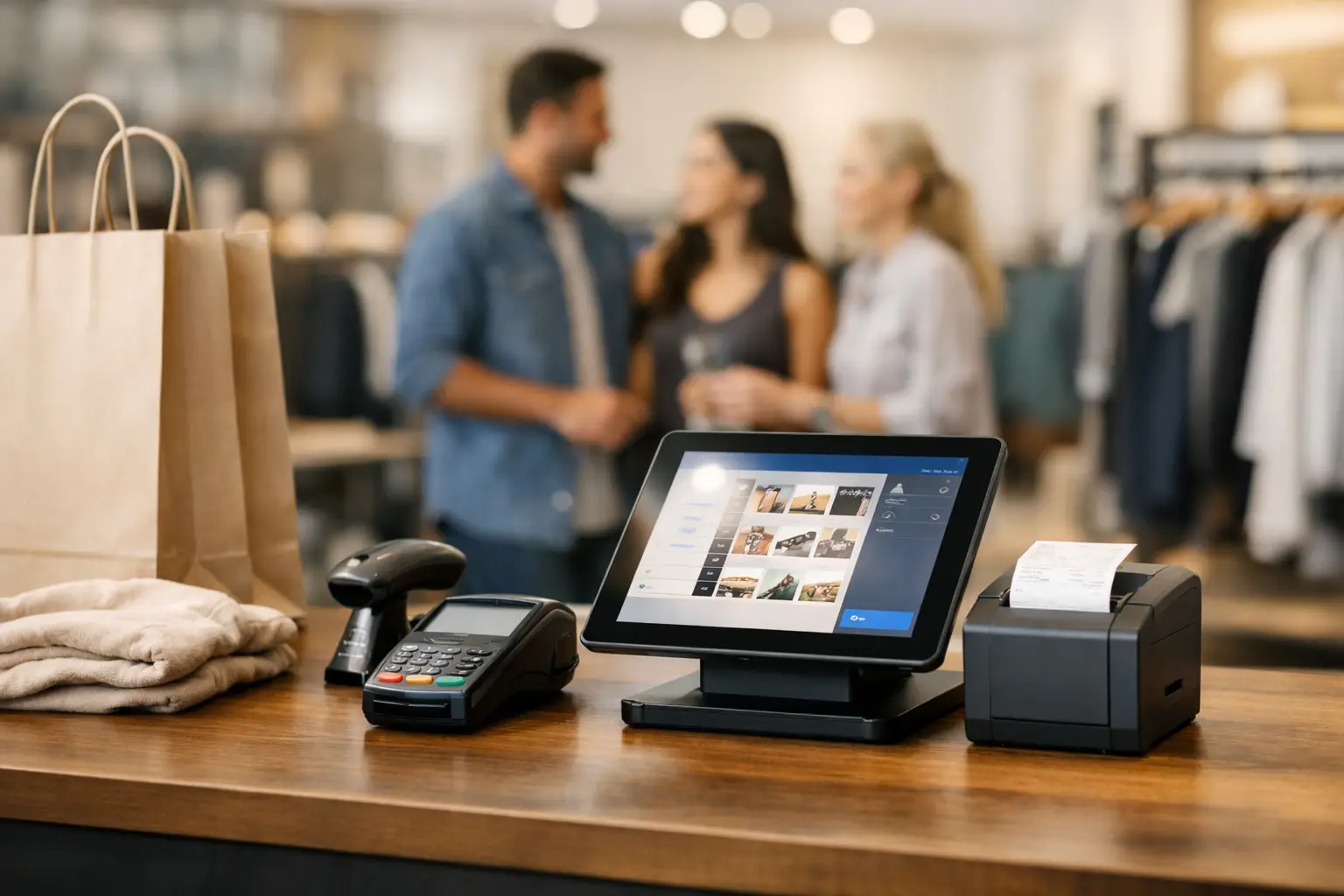
Saturday morning rush is not the time to find out your register freezes when the queue hits the door, your printer drops out, or your stock figures stopped syncing yesterday. For many businesses, choosing a retail POS system Australian operators can rely on is less about flashy features and more about keeping trade moving when the pressure is on.
That is why the right system starts with the way your business actually works. A suburban gift shop, a busy bottle shop, a takeaway counter and a market stall all process sales, but they do not face the same traffic, stock movement, staffing or support needs. Good POS decisions are practical decisions. They reduce downtime, simplify training and make everyday tasks faster for the people on the floor.
What a retail POS system in Australia needs to do well
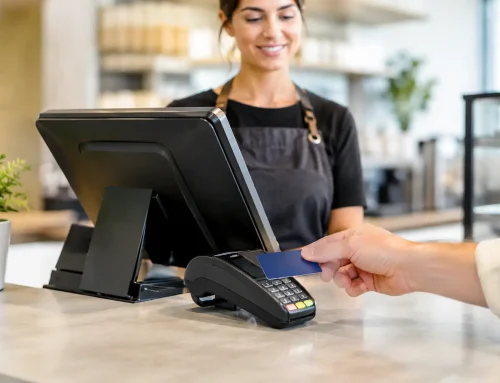
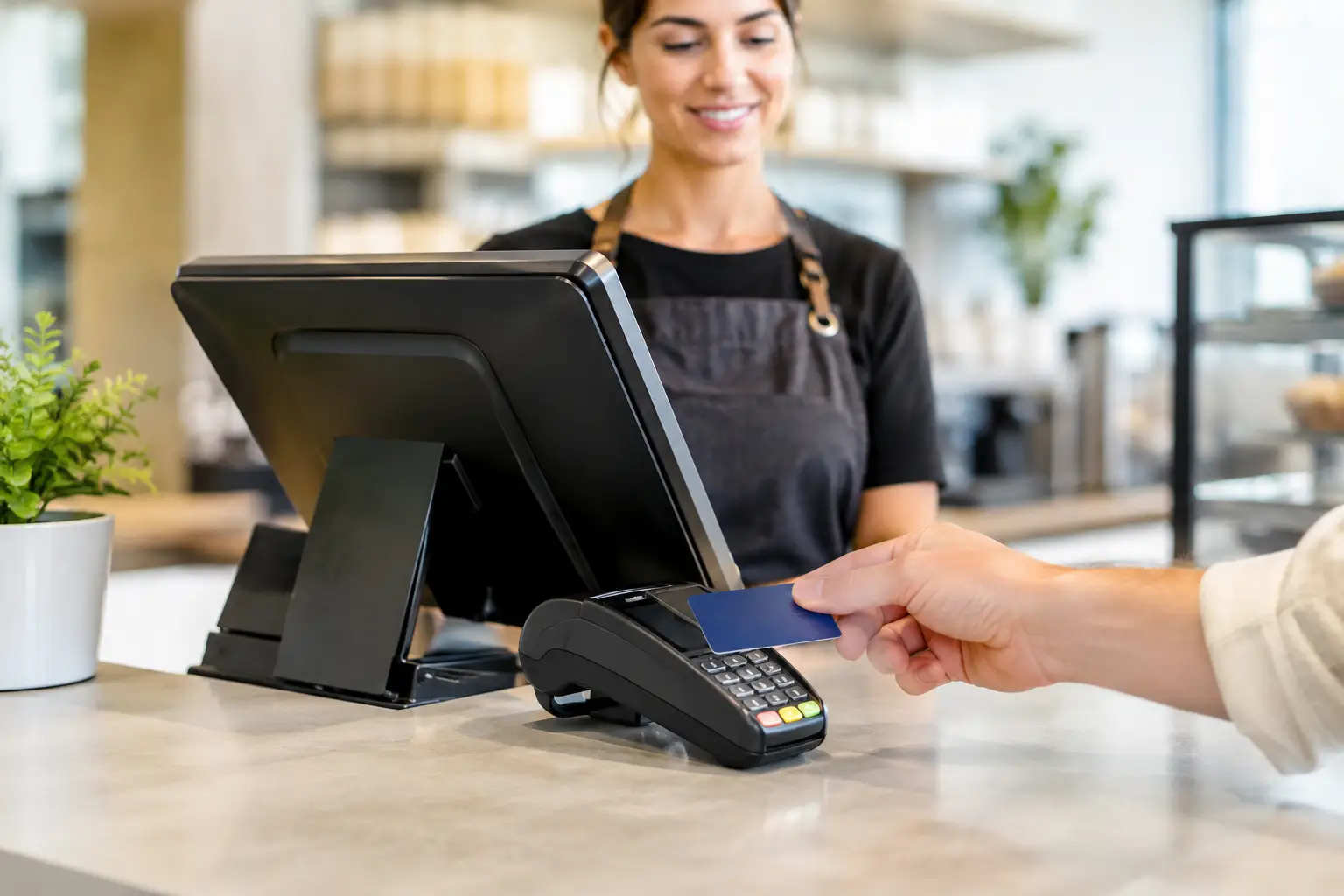
At its core, a POS system should handle transactions quickly and accurately. That sounds obvious, but speed at the counter depends on several moving parts working together – touchscreen hardware, receipt printers, barcode scanners, EFTPOS integration, cash drawers, software stability and a network that does not fall over at the wrong moment.
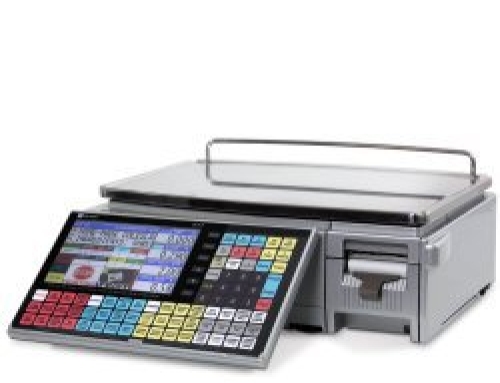
For Australian retailers, there is another layer. The system needs to suit local tax settings, payment habits and reporting requirements. If your operation includes weighed products, integrated scales or trade measurement obligations, compliance matters just as much as usability. A system that looks good in a demo can become expensive very quickly if it does not fit Australian business conditions or your day-to-day process.
Reliability also matters more than many owners expect. The real cost of a POS problem is not just the repair bill. It is the lost sales while staff scramble, the time spent manually fixing records, and the frustration for customers who are ready to pay and leave. In a high-turnover environment, a stable setup with proper local support is often more valuable than a longer feature list.
Start with workflow, not software features
The most common mistake when buying a retail POS system Australia-wide is choosing based on features first and workflow second. On paper, two systems can look similar. In practice, one may be far better suited to your store layout, product range and staffing.
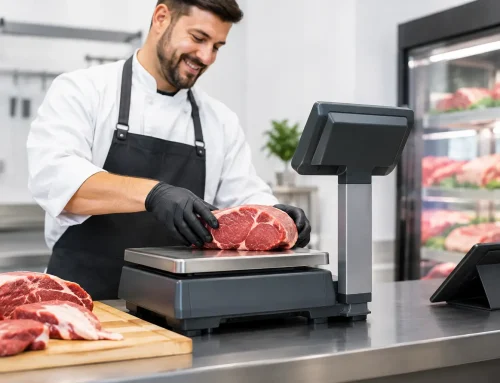
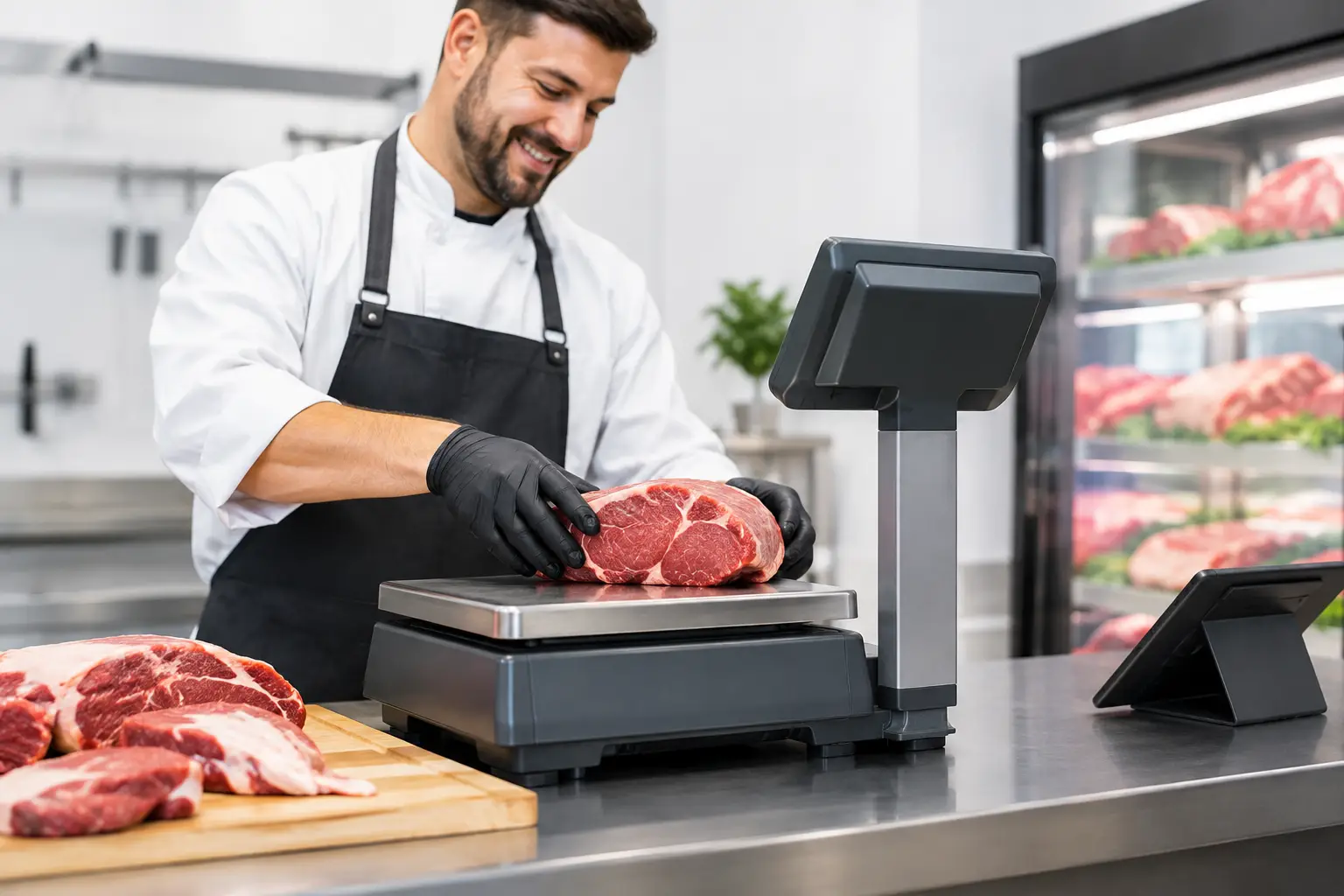
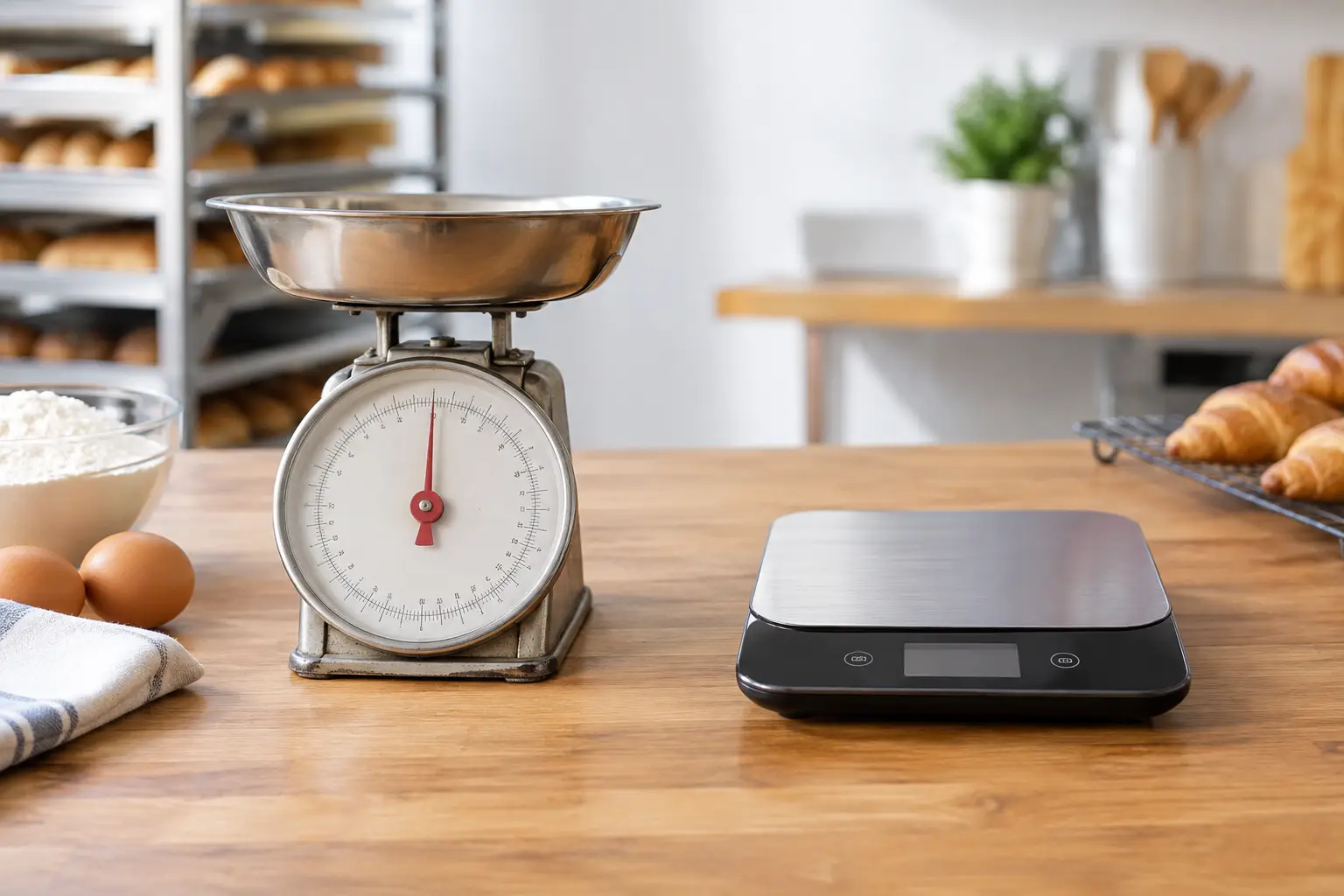
If you run a fashion boutique, you may need strong stock control across sizes, colours and seasonal lines. If you manage a convenience store, transaction speed and barcode handling may be the priority. If you operate at events or markets, portability, connectivity and compact hardware become critical. If you sell deli items, produce or other variable-weight goods, integration with approved weighing equipment changes the conversation again.
The better approach is to map out how a sale moves through your business. Think about how products are entered, how refunds are processed, how staff are trained, when reports are checked and how stock is updated. Once that is clear, the right hardware and software combination becomes easier to identify.
Hardware choices affect daily performance
A POS system is not just an app on a screen. It is a working setup made up of several physical devices, and hardware quality has a direct impact on uptime.
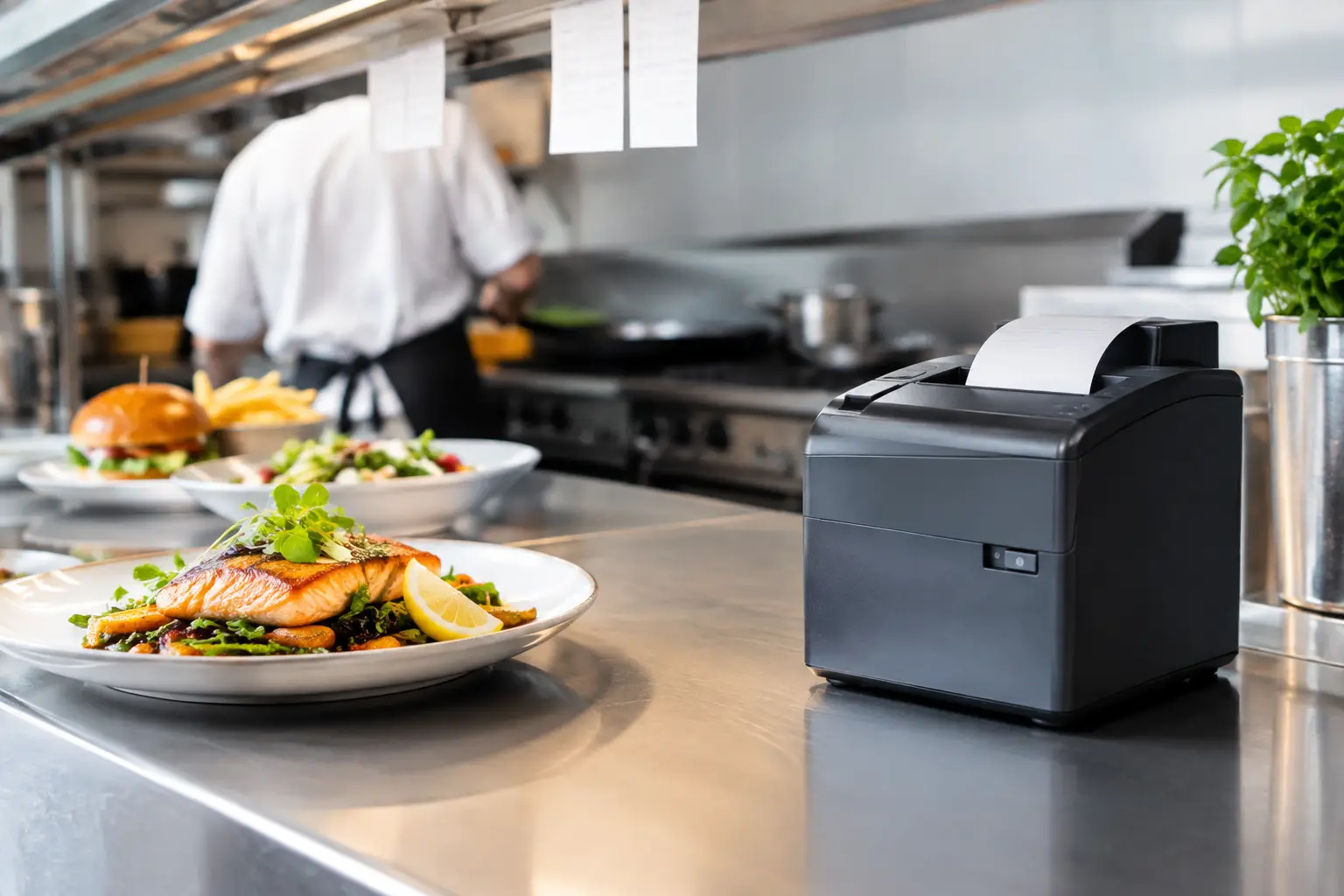
Touchscreen terminals need to be responsive and suitable for the trading environment. A retail counter has different demands from a hot, greasy kitchen pass or an outdoor market setup. Receipt printers need to be dependable under volume. Scanners need to read quickly and consistently. Cash drawers should stand up to repeated use, and networking gear needs to support all connected devices without random dropouts.
There is also a trade-off between all-in-one simplicity and modular flexibility. An all-in-one terminal can be neat and space-saving, but modular systems can be easier to repair or upgrade over time. Neither is automatically better. It depends on your budget, your environment and how critical fast replacement is if a component fails.
Support is part of the system, not an optional extra
This is where many buying decisions go wrong. Businesses often compare POS systems as if support sits outside the product. In reality, support is part of the value.
When something stops working, you need to know who is responsible and how quickly help is available. If you bought hardware from one provider, software from another and installation from someone else, fault-finding can turn into finger-pointing. That delay costs money.
A service-led provider can make a major difference because they do more than sell a box. They help specify the right setup, install it correctly, configure peripherals, test the network, train staff and stay available when problems appear later. For many small to mid-sized operators, that ongoing relationship is what keeps the front counter running.
Local support matters too. A call centre on the other side of the country may not help much when a printer fails before lunch service or a scanner drops out during weekend trade. Businesses across South-East Queensland often place a high value on having a local team that can provide practical advice, workshop repairs or on-site assistance when needed.
Retail POS system buyers in Australia should ask better questions
The best POS conversations are not about which system is most popular. They are about suitability and risk.
Ask how the system handles power or internet interruptions. Ask how long common repairs take and whether replacement equipment is available. Ask what onboarding and training look like for new staff. Ask whether your scales, printers, scanners and payment devices are known to work well together. Ask how software updates are managed and whether support continues after installation.
If your business trades under compliance requirements, ask about those too. Not every provider can help with trade-approved weighing equipment, calibration or verification. If your operation relies on that side of the setup, choosing a supplier with those technical capabilities can save a great deal of time and rework.
It is also worth being honest about budget. The cheapest system is not always the lowest-cost option over three years, especially if it creates repeat faults or slows staff down. At the same time, not every business needs an enterprise-grade setup. A sensible provider should be able to recommend a system that fits your volume and growth plans without overselling.
Integration can improve operations, but only if it is useful
Many modern POS platforms promise integration with accounting, online ordering, loyalty programs, inventory management and customer databases. Those tools can be valuable, but only if they solve a real problem in your business.
For some retailers, integrated stock reporting saves hours each week and improves ordering accuracy. For others, a simpler setup is better because it is easier to train, easier to support and less likely to create confusion. More connected does not always mean more efficient.
A practical POS design focuses on what your team will actually use every day. If an integration adds extra steps, creates another failure point or produces reports no one reads, it may not be worth the complexity. The goal is not to collect features. The goal is to help staff serve customers and keep operations under control.
Installation and training often decide whether the rollout succeeds
A new POS system can be technically sound and still fail if the rollout is rushed. Installation needs planning around trading hours, network readiness, data setup and device testing. Training needs to reflect how your staff actually work, not just how the software menu is structured.
This matters even more in businesses with casual staff, high turnover or multiple users on different shifts. If the system is intuitive and training is handled properly, staff confidence builds quickly. If setup is incomplete or instructions are unclear, simple tasks become slow and errors increase.
That is why many businesses prefer a provider that can handle the full job – supply, configuration, installation, testing and after-sales support. For operators who cannot afford extended downtime, having one accountable technical partner is often the safest option. It is one reason businesses across the Sunshine Coast and wider South-East Queensland continue to work with experienced local providers such as EBE.
Choosing for now and for later
A POS system should suit your current operation, but it should not box you in. If you plan to add lanes, expand your product range, open another site or introduce weighed items, those changes should be part of the conversation early.
That does not mean overbuilding from day one. It means choosing hardware and software with a sensible upgrade path. A scalable setup can save money later, but only if the starting point is still practical and affordable now.
The right retail POS system Australia businesses choose is rarely the one with the loudest sales pitch. It is the one that fits the counter, the staff, the products and the pace of trade – and comes with the kind of support that shows up when things do not go to plan. If your system helps your team work confidently and keeps customers moving, it is doing exactly what it should.





Leave A Comment
You must be logged in to post a comment.