
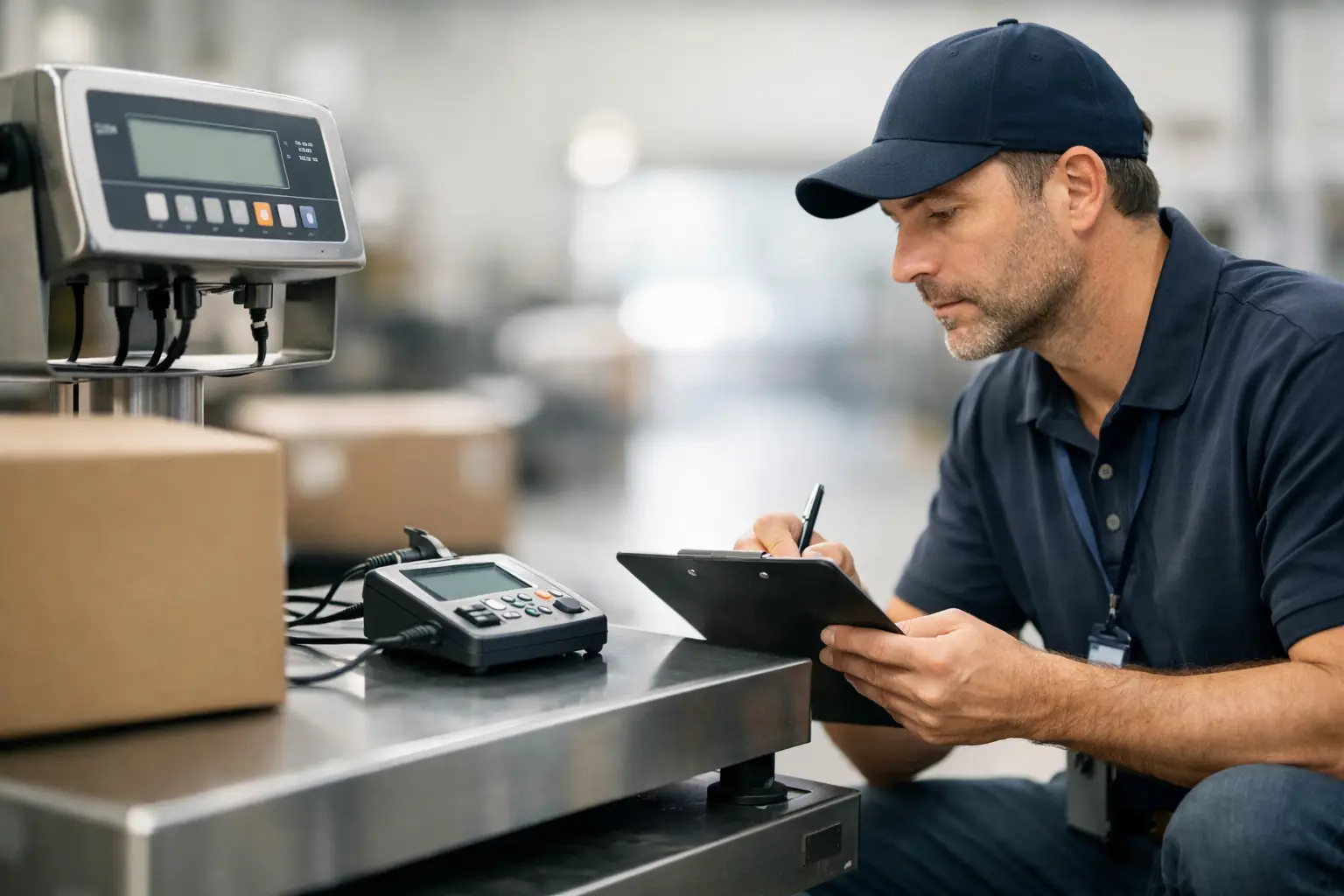
A scale that reads a few grams out might not seem like a big issue at first. In a retail, foodservice or market setting, though, small errors can turn into customer disputes, failed inspections and lost revenue. That is why a reliable scale verification service matters – not as a paperwork exercise, but as part of keeping your business compliant, efficient and trusted.
What a scale verification service actually does
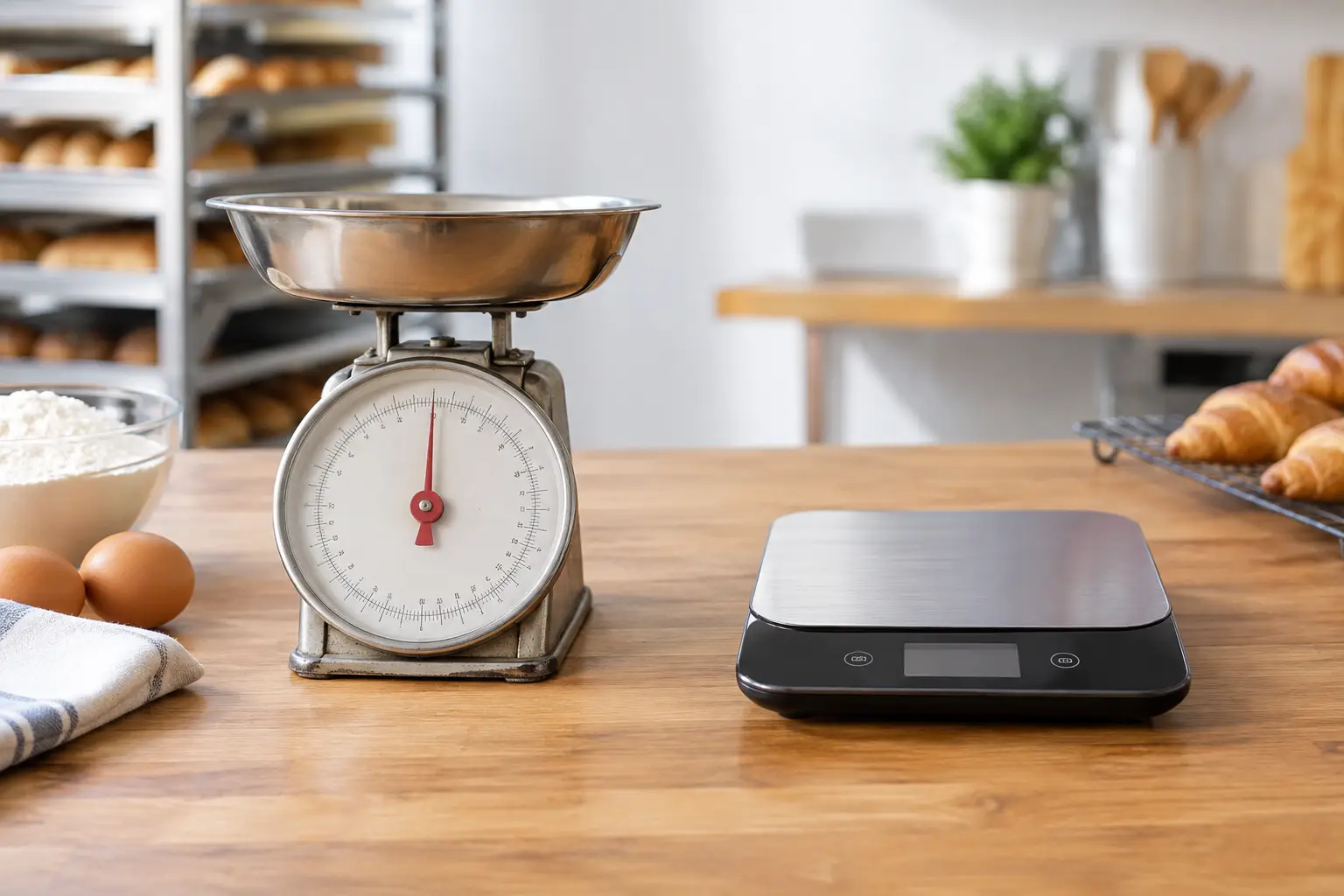
A scale verification service checks that a trade-use scale is measuring within the legal tolerances required for commercial transactions. If you are selling goods by weight, the scale is not just a piece of equipment. It is part of the transaction itself, which means it needs to meet trade measurement requirements.
This is where some businesses get caught out. They assume a scale that powers on and displays a weight is fine to use. In practice, a scale can appear to work normally while still drifting out of tolerance. Verification is designed to confirm whether the unit is fit for trade use, not just whether it is switched on and responding.
For many businesses, verification sits alongside calibration, servicing and repairs, but they are not all the same thing. Calibration adjusts the scale to improve accuracy. Servicing deals with wear, faults or performance issues. Verification confirms the scale meets the required standard for commercial use. In real-world operations, these often happen together because there is little point verifying a scale that has an unresolved fault.
When scale verification is usually required
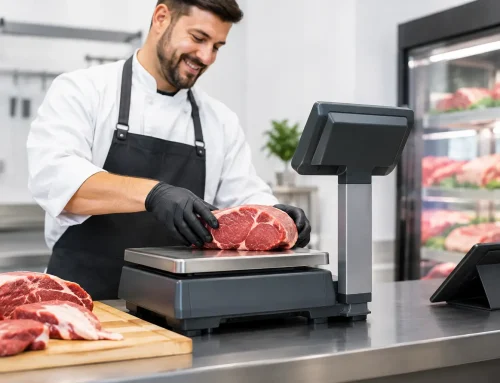
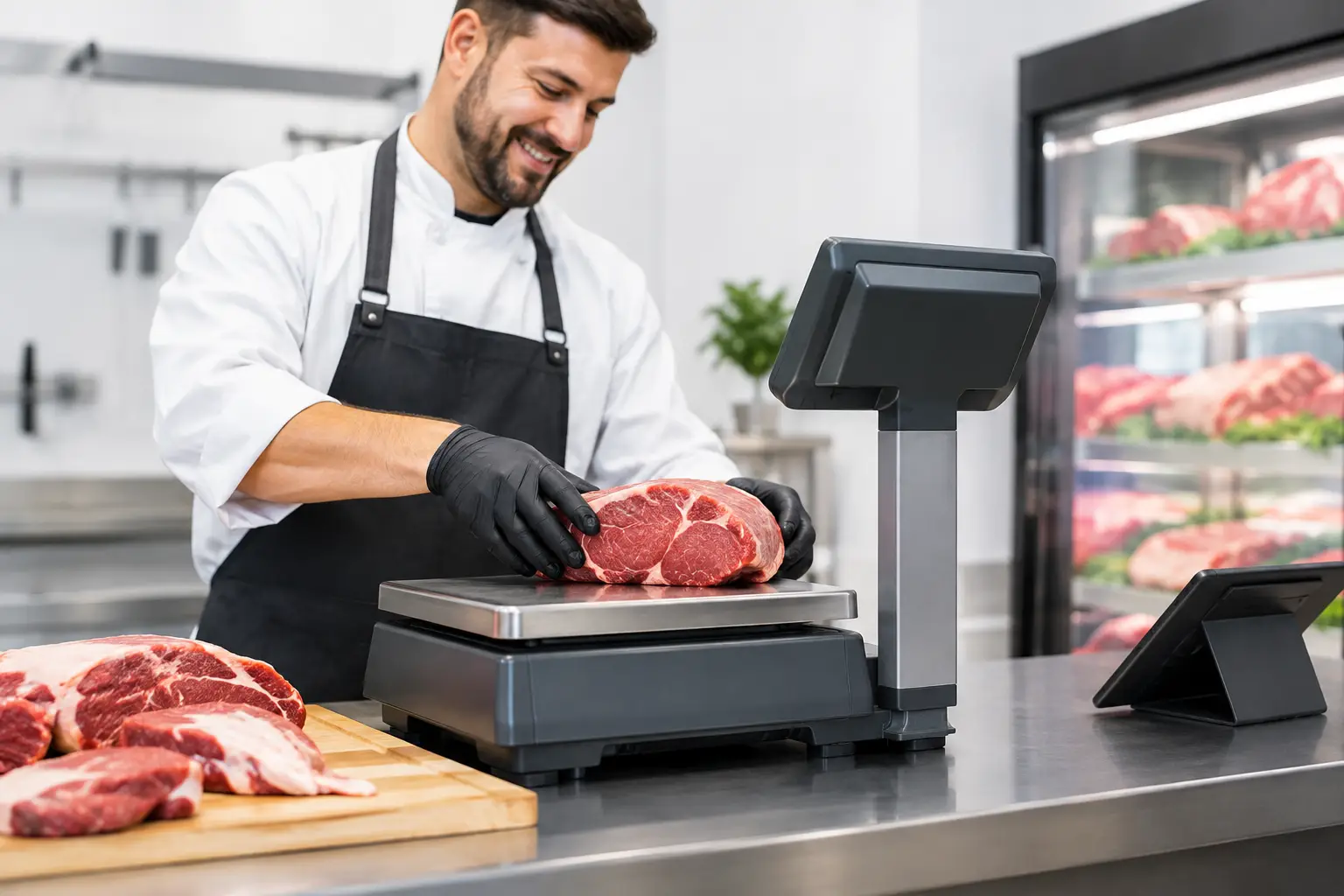
If your business charges customers based on weight, scale verification is generally part of operating properly. This applies across a wide range of settings in Southeast Queensland, from butchers and grocers to delis, seafood outlets, health food stores, produce sellers and market operators.
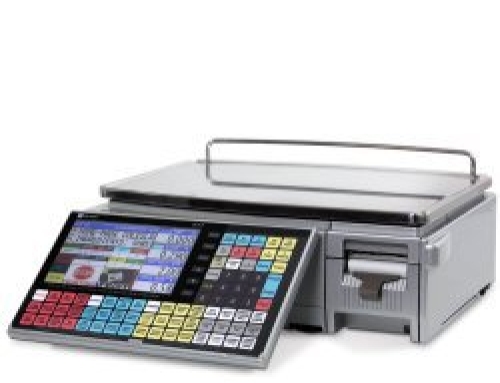
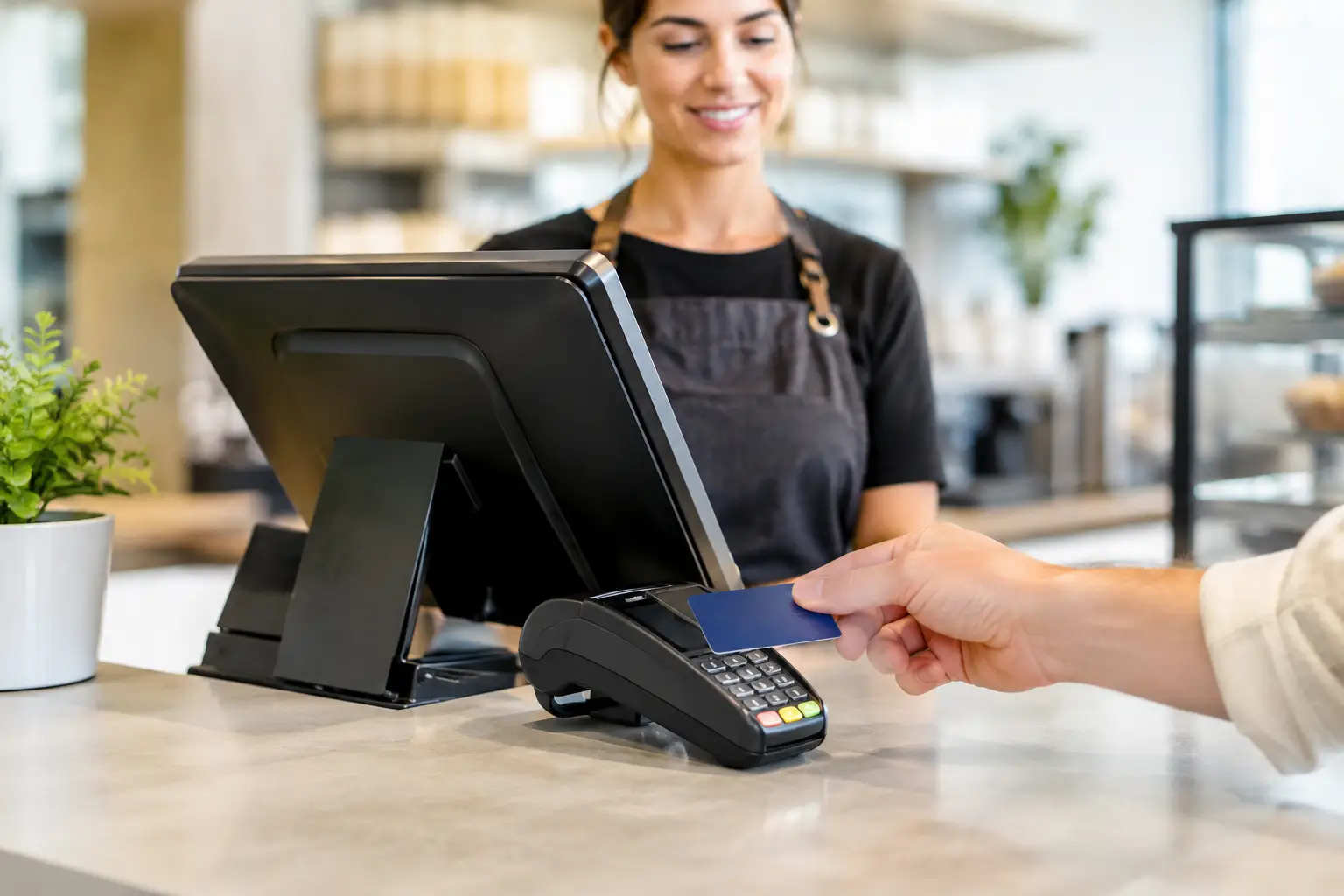
It can also matter if you use printing scales integrated with point-of-sale systems, or if your team relies on weighing equipment during busy service periods where speed and consistency matter. A minor inaccuracy repeated across hundreds of transactions is no longer minor.
There are a few common points where verification should be part of the plan. A newly installed trade scale may need to be verified before use. A relocated scale may need attention if it has been moved, bumped or set up on a different surface. A repaired scale often needs to be checked again before it returns to service. And if a scale is showing odd readings, failing internal checks or causing staff concern, leaving it alone usually creates a bigger problem later.
Why local support makes a difference
For most business owners, the issue is not understanding that compliance matters. It is finding the time to deal with it while running the business. That is why a local scale verification service is often the better option than trying to piece together support from multiple providers.
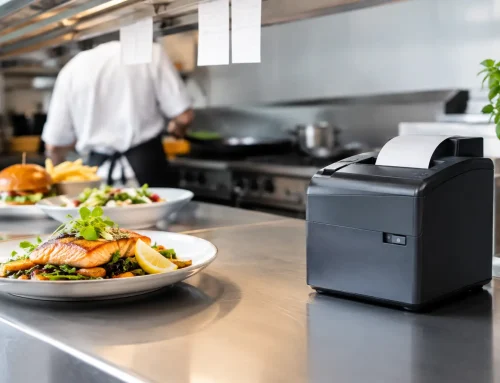
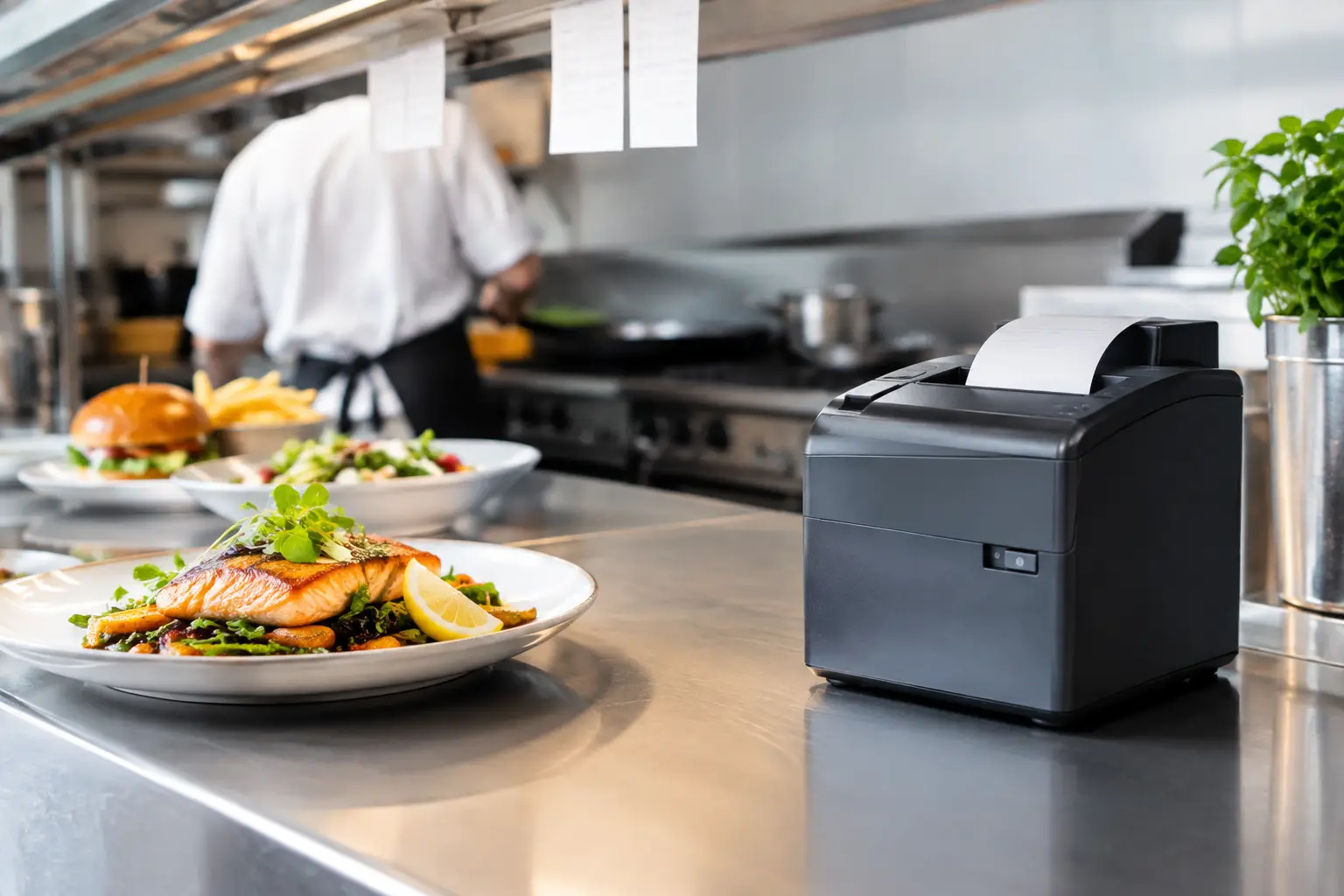
When your scales, POS equipment and label printers all play a role in the same workflow, a technician needs to understand more than the scale in isolation. They need to see how it is used at the counter, how it communicates with other equipment and what happens during peak trade. That practical view helps identify whether the issue is the scale itself, the setup, the bench surface, the power supply or a connected system.
For a busy café, takeaway venue or retail store, downtime is rarely convenient. If a scale used for pricing or labelling goes out, staff end up creating workarounds that slow service and increase the chance of mistakes. Fast, knowledgeable support limits that disruption.
What to expect from a proper scale verification service
A good verification process should be clear, methodical and suited to the way your business operates. It normally starts with identifying the scale, its use and whether it is intended for trade measurement. From there, the technician checks condition, setup and performance using the right test weights and procedures.
If the scale is within tolerance, the outcome is straightforward. If it is not, the next step depends on the cause. Sometimes a calibration adjustment is enough. In other cases, the problem may be mechanical wear, load cell issues, unstable placement, damaged components or environmental factors such as vibration or airflow.
That trade-off matters. A quick adjustment might get the scale reading correctly today, but if the underlying issue is a worn component or poor installation position, the problem can return. Businesses are usually better served by an honest recommendation than a temporary fix that creates another callout in a few weeks.
Documentation is also part of the service. You need confidence that the work has been completed properly and that the scale is suitable for its intended use. For businesses with multiple scales across counters, prep areas or mobile setups, keeping records organised saves time and reduces confusion when equipment is serviced again later.
Scale verification service and day-to-day operations
Compliance is the obvious reason to book a scale verification service, but it is not the only one. Accurate weighing supports smoother operations in ways that are easy to miss until something goes wrong.
In retail, pricing errors can lead to awkward conversations at the counter and unnecessary refunds. In foodservice, inaccurate portion weights can quietly affect margins. In market and event environments, where setups are temporary and equipment is moved often, accuracy can shift without much warning. Verification helps catch those issues before they become expensive habits.
It also helps with staff confidence. If team members trust the equipment, they work faster and with fewer checks. If they suspect the scale is wrong, they start second-guessing every transaction. That hesitation slows service and makes training harder, especially with casual staff.
Choosing the right provider for scale verification
Not every provider offers the same level of support. Some can test a scale, but not repair it. Others can sell equipment, but not help much once it is on the bench and in daily use. For many businesses, the better fit is a technical partner that can verify, calibrate, repair and support the broader system.
That matters most when a verification visit uncovers something more complex than a simple adjustment. If the scale needs parts, workshop repairs, replacement advice or reconfiguration with connected POS or label systems, it saves time to deal with one team that can manage the full job.
Local experience also counts. Businesses in Southeast Queensland often need practical support that fits around trading hours, market schedules and seasonal peaks. A provider with hands-on experience across retail, hospitality and food businesses will usually spot common issues faster and recommend solutions that suit the pace of the operation.
Electronic Business Equipment supports this kind of work because the service is not treated as a standalone task. It sits within a broader technical support model built around installation, calibration, repairs and keeping business-critical equipment running.
How to reduce verification problems between service visits
The best way to avoid urgent scale issues is to treat weighing equipment as part of your operating system, not as an afterthought. Place scales on stable, level surfaces. Keep them clean and protected from knocks, spills and overloaded use. Pay attention if readings fluctuate, labels look inconsistent or staff mention repeat issues.
It also helps to schedule checks before peak periods rather than after a failure. If your business heads into busy holiday trade, weekend markets or event season, that is the worst time to discover a compliance or accuracy problem. Preventive attention is usually cheaper and far less disruptive than emergency repairs.
There is also a budgeting benefit here. Planned servicing and verification make costs more predictable. Leaving equipment until it fails often leads to rushed decisions, lost trading time and replacement costs that could have been delayed or avoided.
Scale verification service for growing businesses
As a business grows, scale requirements often become more complicated. You may add extra counters, bring in integrated label printing, expand to multiple sites or start using different scales for different product lines. At that point, the question is not just whether one scale is compliant. It is whether your weighing setup still matches the way the business operates.
That is where a practical scale verification service adds value beyond the test itself. An experienced technician can flag equipment that is no longer suited to volume, environment or workflow. Sometimes the answer is verification and minor adjustment. Sometimes the better decision is replacement with a more appropriate trade-approved unit.
The right path depends on the age of the equipment, how critical it is to sales, the availability of parts and how often faults are appearing. Honest advice matters here. Spending less today is not always cheaper if it keeps dragging your team back into the same problem.
If your business relies on selling by weight, accuracy is part of good service. It protects your margins, supports compliance and helps customers trust every transaction – and that is worth staying on top of before a small issue becomes a very public one.





Leave A Comment
You must be logged in to post a comment.