

A busy lunch rush is a bad time to find out your receipt printer has stopped talking to the POS, the EFTPOS terminal is dropping out, or a new staff member does not know how to process a refund. That is where POS system support services matter most. For retail stores, cafés, restaurants and market operators, support is not an optional extra after installation. It is what keeps the front counter moving when something goes wrong.
The real cost of a POS issue is rarely just the repair bill. It shows up in long queues, missed orders, manual workarounds, pricing errors, staff stress and customers who decide not to come back. A system that looks fine on paper can still create daily friction if it is poorly configured, unsupported or left to rely on remote help that does not understand how your business actually operates.
What POS system support services should actually include
Good support starts well before a fault is logged. It covers advice on system selection, setup around your workflow, installation of hardware, software configuration, staff training and ongoing technical help. If those pieces are handled by different providers, problems often bounce between them. If they sit with one experienced team, issues are usually identified and resolved faster.
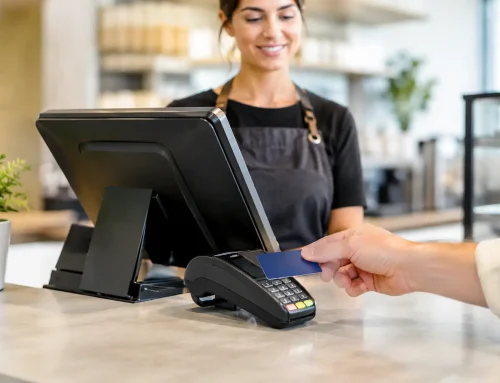
For most businesses, support should cover the full operating environment around the point of sale. That includes terminals, cash drawers, barcode scanners, receipt printers, kitchen printers, label printers, networking, tablets, back-office software and, where relevant, integrated scales. In hospitality, it may also extend to docket routing, table layouts and menu changes. In retail, it often involves product databases, barcode setup, stock control and promotional pricing.
The practical difference is simple. Support is not just answering the phone. It is knowing how the system was built, how your team uses it, and what needs to happen to get you trading again.
Why local POS system support services make a difference
When a checkout fails, you do not want to explain your setup from scratch to someone in another time zone. You want a technician who can quickly assess whether the issue is hardware, software, network-related or operator error, and then deal with it properly.
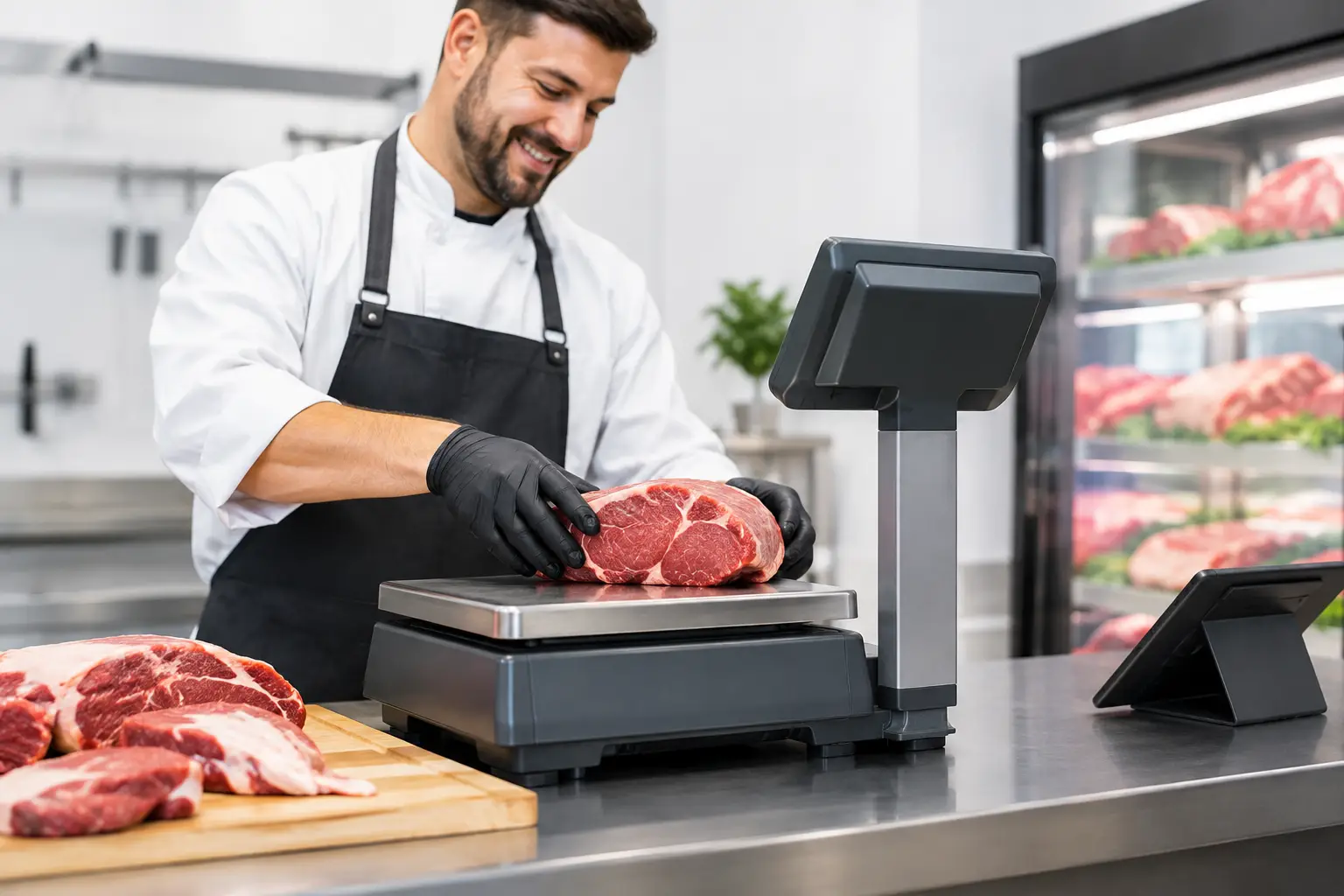
Local support matters because many POS faults are not isolated to one device. A printer that appears dead may be a network issue. A scale not syncing to the POS may need calibration, compliance checking or software adjustment. A frozen terminal may be linked to cabling, power supply, updates or a damaged peripheral. Businesses in Southeast Queensland often need fast on-site help, especially when trading cannot wait until tomorrow.
That is where a service-led provider stands apart from a box mover. A business like Electronic Business Equipment supports clients across the Sunshine Coast and broader Southeast Queensland with on-site service, workshop repairs, installation and technical backup from people who work with this equipment every day. For operators running busy venues, that local availability removes a lot of risk.
Support is different for every business
A small boutique and a fast-paced takeaway shop both use POS systems, but their support needs are not the same. Retailers often need help with product files, barcode scanning, price changes, lay-bys, stocktakes and customer-facing displays. Hospitality venues are more likely to need menu updates, kitchen printer troubleshooting, split bills, table management and integration with payment devices.
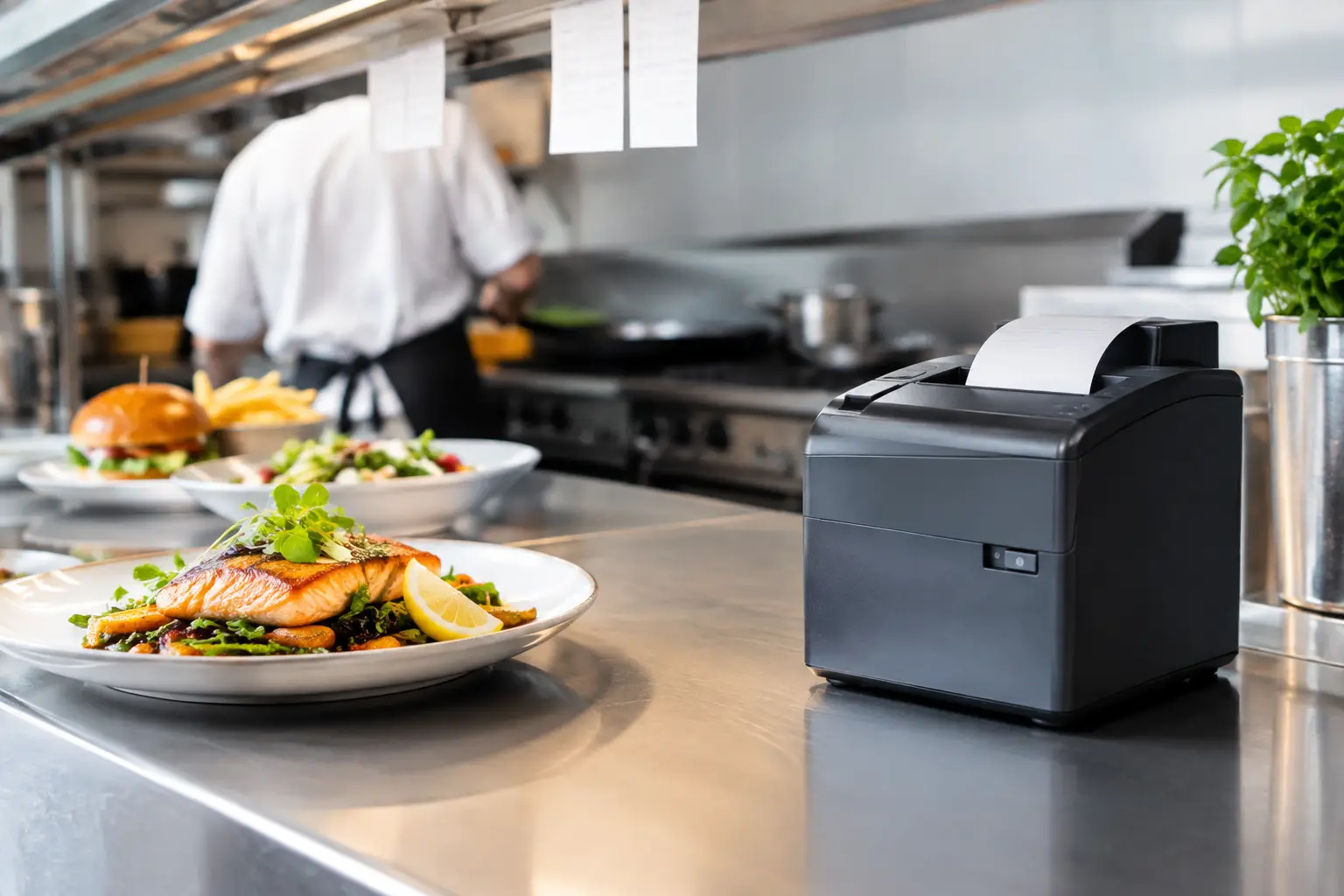
Food businesses also tend to feel downtime more immediately. If the printer in the kitchen stops, service slows straight away. If a scale used for trade or food prep is not operating correctly, there may be workflow and compliance implications. In these settings, support needs to be practical and responsive rather than generic.
That is why one-size-fits-all support contracts can fall short. The better approach is to match service to the way the business trades, the equipment on site and the level of urgency when issues arise.
Installation and configuration are part of support
Many ongoing faults begin with poor setup. Devices may be installed without proper testing, networks may be unstable, or software may be configured in a way that creates unnecessary work for staff. Businesses often assume the system itself is the problem, when the real issue is that it was never tailored properly from the start.
A strong support provider looks at transaction flow, counter layout, kitchen communication, receipt requirements, reporting needs and future expansion. That upfront work reduces avoidable service calls later. It also makes staff training easier because the system reflects how the business actually operates.
Training saves more time than most businesses expect
Some support requests are technical. Many are not. Voids, refunds, split payments, end-of-day procedures and product updates can all become pain points if staff have not been shown the right process.
Training is one of the most overlooked parts of POS system support services. It helps new team members get up to speed faster and reduces errors during busy periods. It also gives managers more confidence to handle routine changes without waiting for a technician. That does not replace technical support, but it does mean support time is spent where it is really needed.
The trade-off between cheap support and reliable support
It is understandable to compare support on price. Small and mid-sized businesses need to watch costs carefully. But cheaper support can become expensive if response times are slow, faults keep recurring or responsibility is split across too many providers.
The lowest-cost option may suit a very simple setup with minimal peripherals and low transaction volume. For most trading businesses, though, reliability matters more than headline price. If your POS links to printers, scales, EFTPOS, labels or multiple terminals, it pays to have support from people who can handle the whole environment.
There is also the question of replacement versus repair. Some providers are quick to suggest new equipment. Sometimes that is the right call, especially if a unit is outdated or parts are no longer available. Other times, a repair, recalibration or reconfiguration is the more sensible and cost-effective option. Honest advice matters here. Businesses need a provider who will tell them what is worth fixing and what is not.
What to look for in a support partner
The best support partners do more than react to breakdowns. They help prevent them. That means checking performance issues early, maintaining connected devices, replacing worn components before failure, and making sure software and hardware continue to work together as the business changes.
Experience matters, but so does breadth of capability. A provider who understands POS software but not weighing equipment, networking or printer hardware may still leave gaps. The strongest support teams can work across the full setup and coordinate repairs, calibration, installation and user support without sending you elsewhere.
Responsiveness is just as important. If your busiest trading hours are outside standard office times, ask what support is actually available when things go wrong. Some businesses can wait until the next business day. Others cannot. There is no single right model, but there should be a clear one.
Questions worth asking before you commit
Ask who handles support, how faults are logged, whether on-site service is available, what the expected response time is, and whether workshop repair is offered for hardware issues. If you use trade-approved scales, ask about calibration and compliance support as well. These details tell you whether the provider is set up for real operational support or just basic troubleshooting.
It is also worth asking who installed the system and whether the support team understands your exact setup. That continuity often makes a big difference when a problem needs urgent attention.
When support becomes a growth decision
Most businesses think about support only after something breaks. A better time to review it is when the business is growing. Adding terminals, expanding the menu, introducing barcode stock control, integrating scales or opening a second site all increase complexity. Without solid support behind it, growth can create more friction than efficiency.
The right POS system support services give you room to expand without rebuilding everything under pressure. They help you standardise processes, keep staff trained, maintain compliance where needed and reduce the risk of avoidable downtime. More importantly, they give business owners one less operational problem to chase.
If your counter technology is central to how you trade, support should be treated the same way as any other critical service. Not flashy. Not overcomplicated. Just reliable, knowledgeable help when you need it most. That is usually the difference between a system that merely functions and one that keeps your business moving with confidence.







Leave A Comment
You must be logged in to post a comment.