
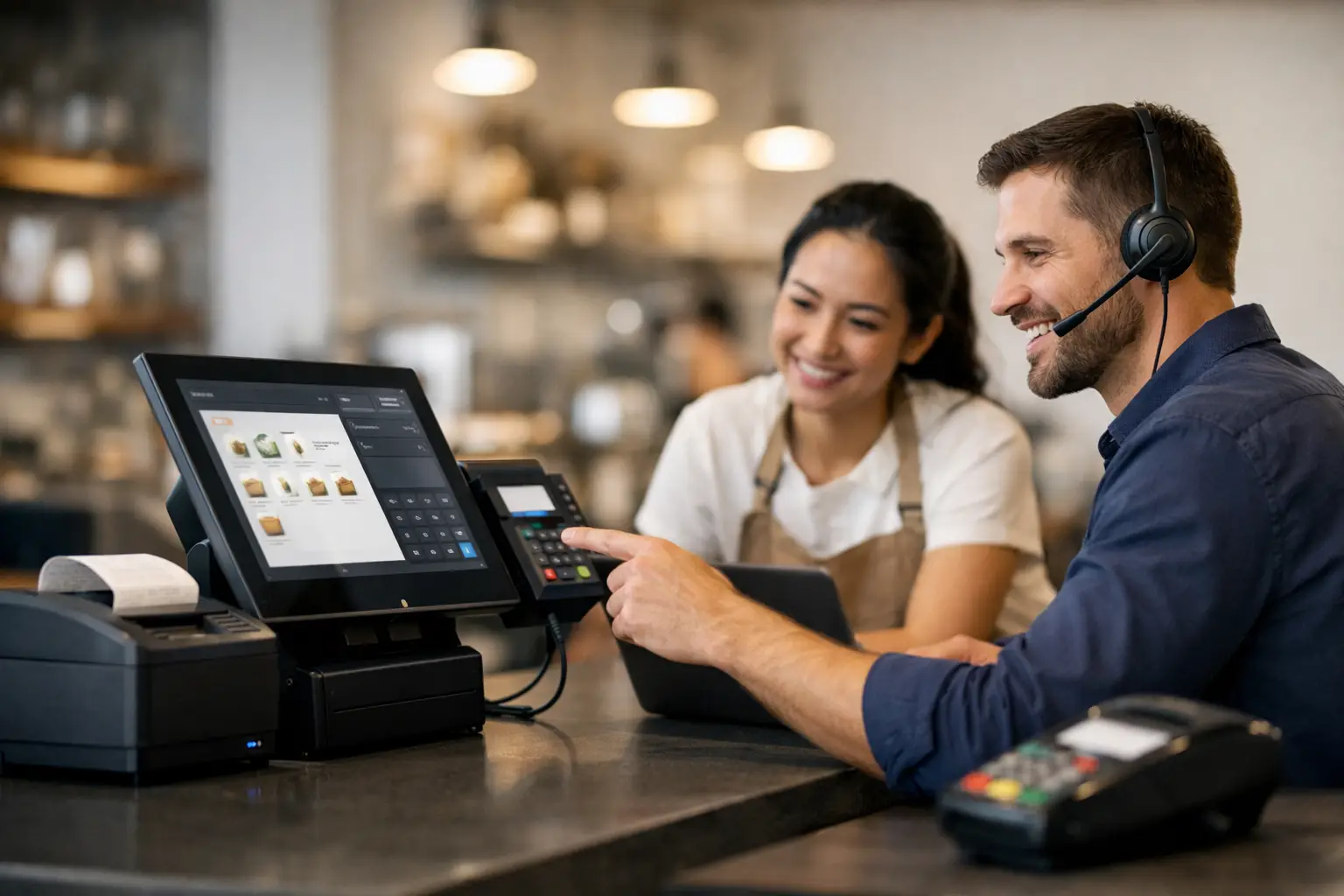
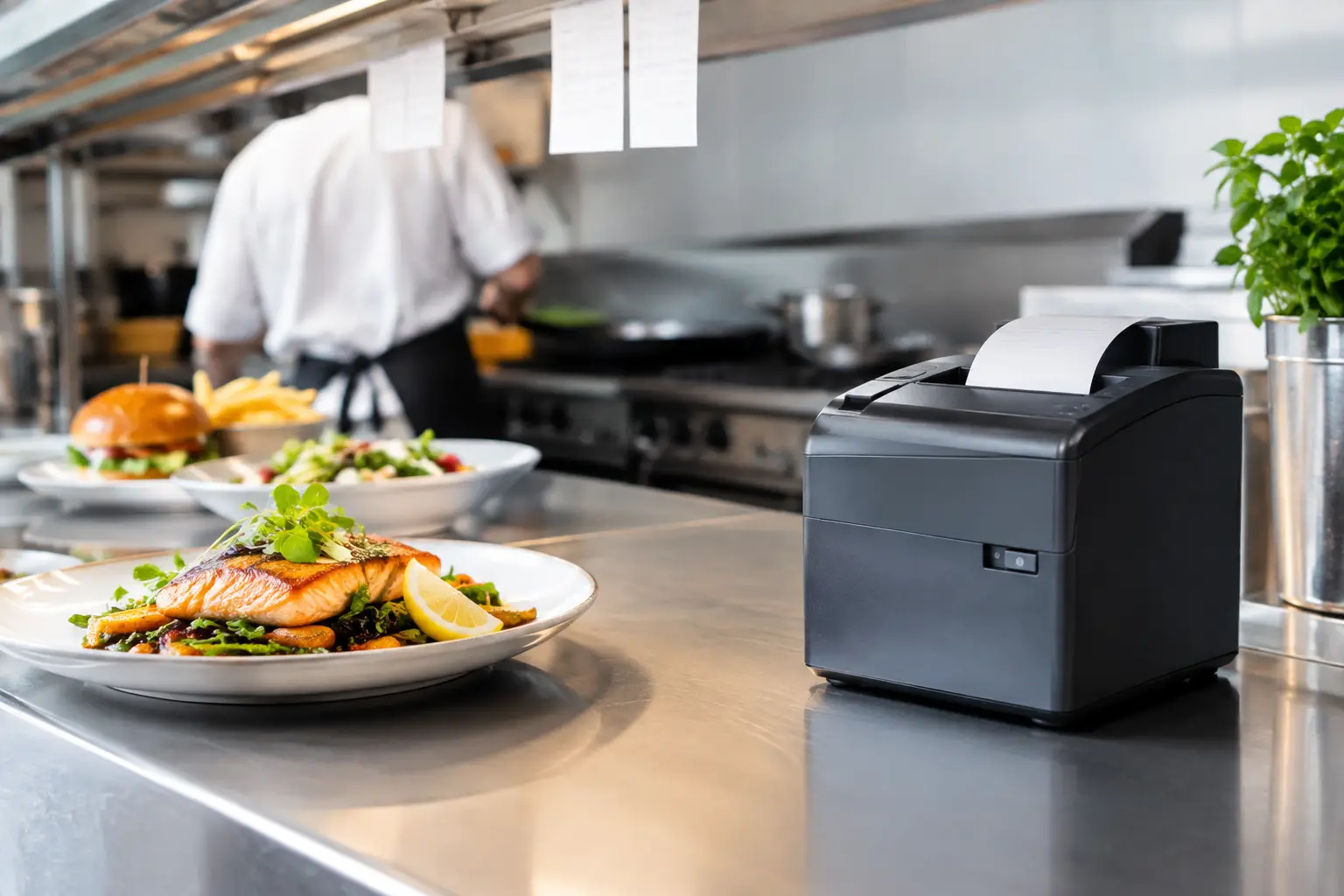
The lunchtime rush is the worst time to find out your POS printer has stopped talking to the terminal, the cash drawer will not open, or the EFTPOS link has dropped out. When customers are waiting and staff are under pressure, pos technical support stops being a back-office consideration and becomes the difference between a normal trading day and lost revenue.
For businesses that rely on quick, accurate transactions, support needs to be practical, responsive and close to the real problem. A café does not need vague advice when dockets are not printing. A retailer does not need to chase three different suppliers to work out whether the fault sits with the terminal, the network, the scanner or the software. Good support means someone can diagnose the issue, fix what can be fixed quickly, and give clear next steps when parts, repairs or replacement are needed.
What POS technical support should actually cover
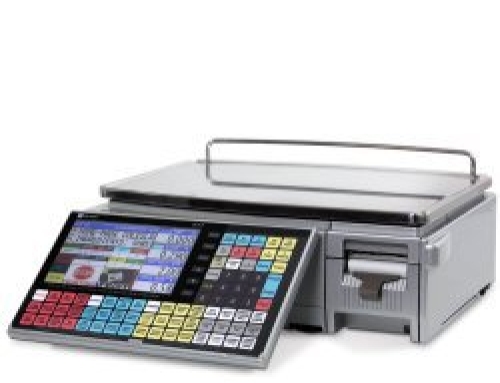
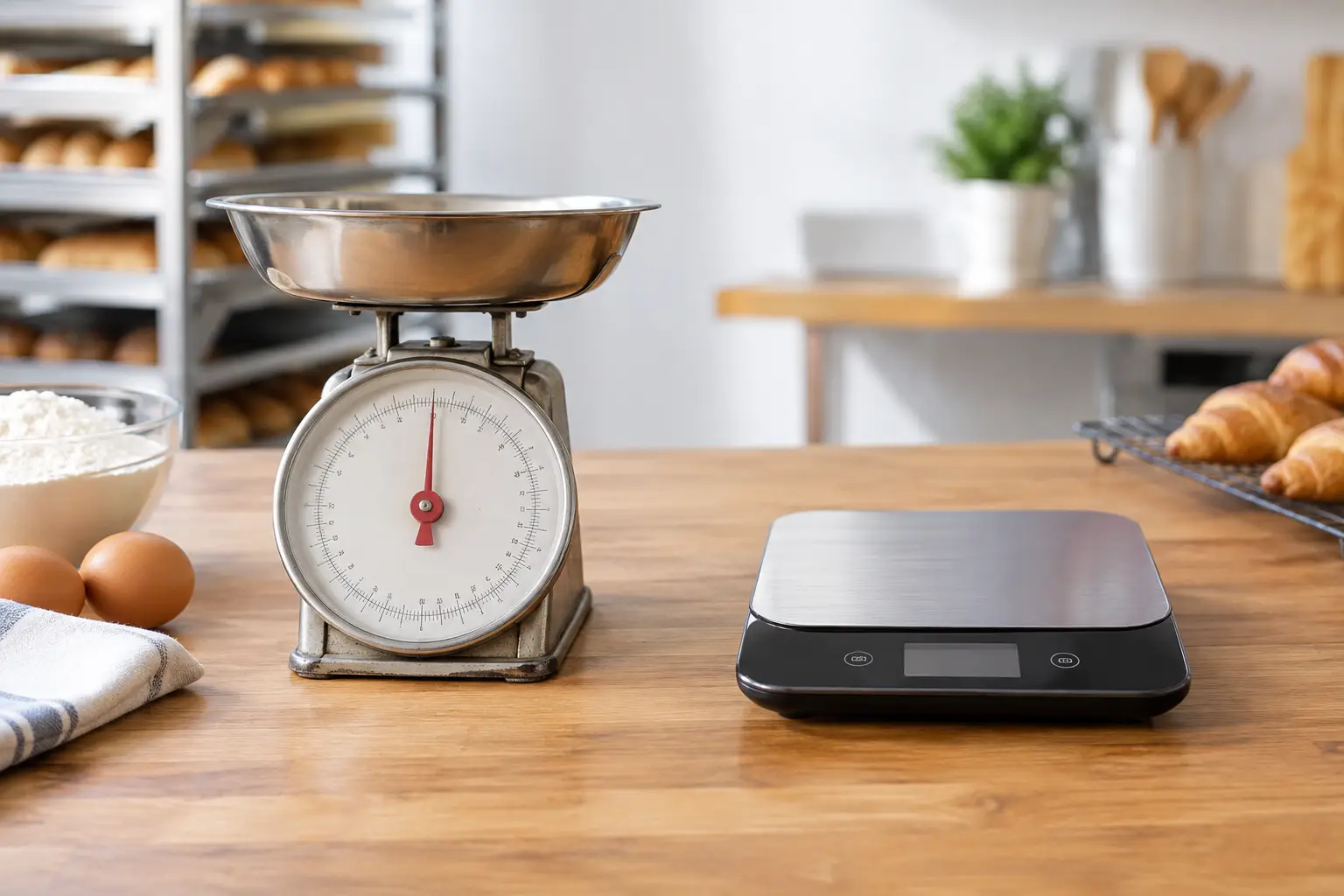
A lot of business owners hear the term and think it only means phone help for software issues. In reality, proper POS technical support is much broader than that. A point-of-sale setup is rarely one device. It is a working system made up of terminals, receipt printers, barcode scanners, cash drawers, label printers, kitchen printers, scales, routers, cables, software settings and user permissions.
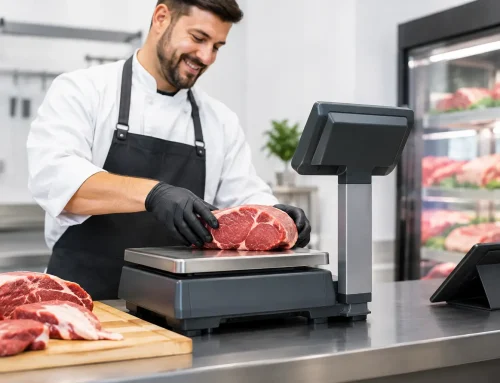
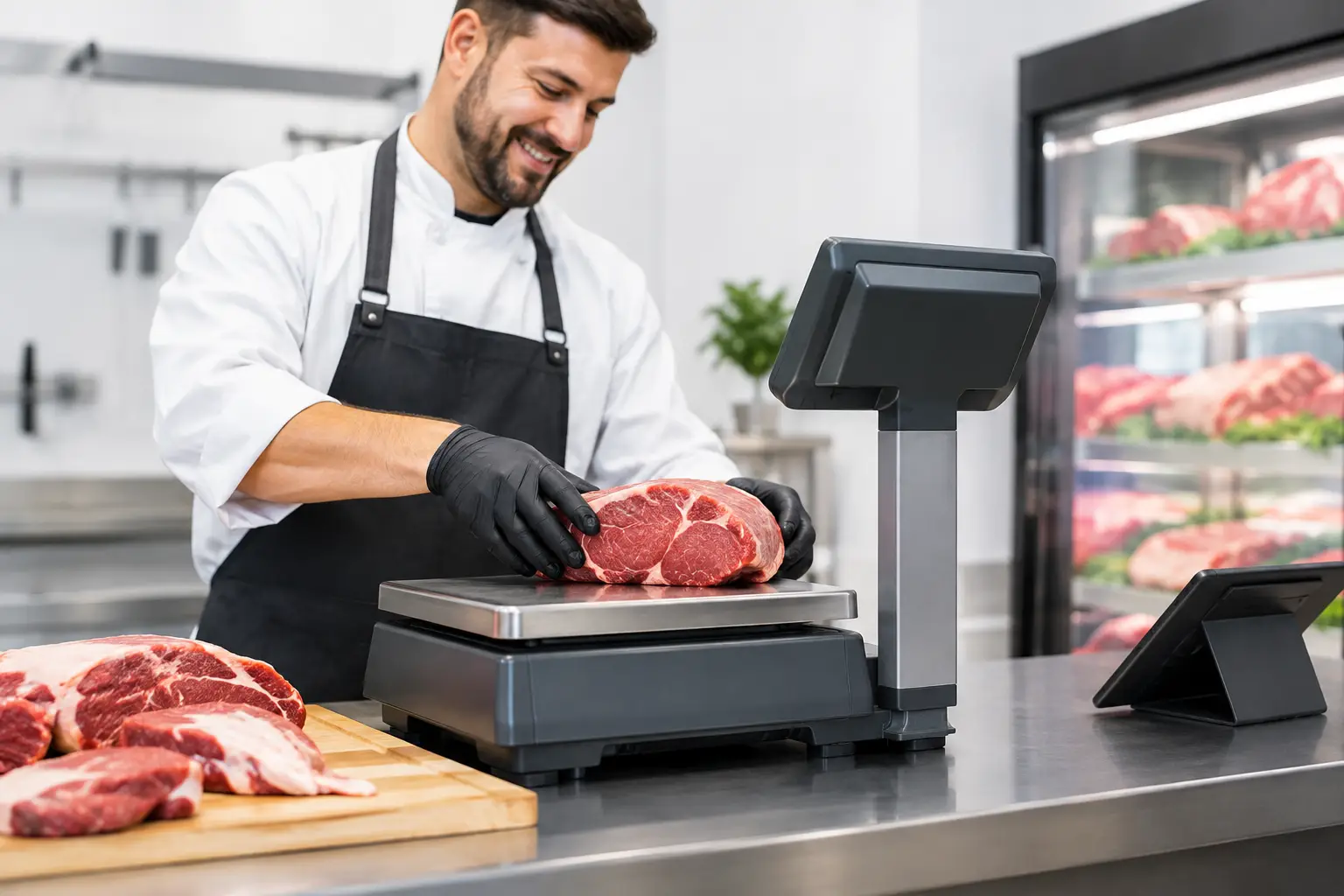
If one part fails, the whole transaction flow can slow down or stop. That is why support should include more than basic troubleshooting. It should cover installation, configuration, testing, fault finding, repairs, replacement planning, staff guidance and ongoing maintenance. In some businesses, it also needs to cover trade-approved weighing equipment, compliance requirements and calibration support.
That broader view matters because many faults are not isolated. A printer problem might be a network issue. A freezing terminal might be caused by ageing hardware, a software conflict or poor power supply. A scale that will not communicate with the POS may need configuration, servicing or verification, depending on how it is being used.
Why fast response matters more than fancy features
When businesses choose POS systems, it is easy to focus on screen size, software functions or price. Those things matter, but support often matters more over the life of the system. A less flashy setup with reliable local backup can be a better business decision than a feature-heavy system that leaves you waiting days for help.
Downtime carries real costs. You can lose sales, slow down service, create queue frustration and put extra pressure on staff who are already trying to keep customers happy. In hospitality, even a short interruption during peak service can affect the whole shift. In retail, delays at the counter can mean abandoned purchases. At markets and events, there may be no second chance if trading time is limited.
Fast response also reduces small problems before they become expensive ones. A terminal that intermittently drops out, a printer that jams every second roll, or a scanner that only reads some barcodes may seem manageable for a while. In practice, those are often signs that a setup needs attention before it fails completely.
Remote support versus on-site support
Both have their place, and the right option depends on the issue.
Remote support is often the quickest path when the problem is software-based, related to settings, user access, peripherals mapping or basic network checks. If a technician can log in, check the system and talk your staff through a fix, you save time and get back to work faster. For straightforward faults, remote support is efficient and cost-effective.
But there are clear limits. If a receipt printer has a hardware fault, a cable has failed, a scale needs physical testing, or the network cabinet needs inspection, remote help will only go so far. On-site support becomes essential when the issue involves physical components, repeated failures, installation work or any fault where proper diagnosis needs hands-on testing.
The strongest support model usually combines both. Remote assistance deals with the quick wins, while on-site service is available when the problem is more complex or business-critical.
The value of local POS technical support
For businesses across Southeast Queensland, local support offers something national call centres usually cannot – context. A local technician understands the pressure of a busy café in holiday season, a retail store managing weekend trade, or a food business that cannot afford scale compliance issues.
Local support also changes the speed and quality of the response. You are not explaining your setup from scratch to a different person each time. You are more likely to deal with a team that knows your equipment, remembers your site and can attend in person if needed. That continuity saves time and reduces guesswork.
It also helps when your systems are mixed, which is common in smaller and mid-sized operations. Many venues have equipment added over time rather than all at once. That can mean different brands, different ages of hardware and a few workarounds that have built up over the years. A local technical partner can usually spot those weak points faster and recommend practical improvements without pushing unnecessary change.
Signs your current support setup is not good enough
If your staff have workarounds for common faults, your support is probably reacting too late. The same applies if every issue turns into a blame game between software provider, internet provider and hardware supplier.
Another warning sign is when no one seems to own the full system. If you have one supplier for the POS, another for the printers, another for the scales and another for networking, that can work on paper. In reality, it often slows fault finding because each provider only looks at their piece. Businesses usually do better when one support team can assess the whole environment and coordinate the fix.
You should also pay attention if repairs are always replacing symptoms rather than causes. Repeated printer failures, recurring connection drops and terminals that keep needing restarts usually point to an underlying issue that has not been properly addressed.
Choosing POS technical support for your business
The right support depends on how you trade. A small boutique with one counter has different needs from a multi-terminal restaurant or a produce business using integrated scales. That said, a few things are worth looking for in any provider.
First, check whether they support both hardware and software in a practical sense, not just in sales language. Ask who handles installation, who diagnoses faults, and whether repairs happen in-house, on-site or through third parties. If your business depends on approved weighing equipment, ask about licence, calibration and verification capability as well.
Second, ask about response times and escalation. Support is only useful if you can reach someone when trading is affected. You want a clear process for urgent issues, not a vague promise that someone will get back to you.
Third, look at how they approach fit. Good providers do not force the same package onto every business. They ask how you process sales, what peripherals you use, how many staff need training, whether you have peak periods, and what level of redundancy makes sense for your risk.
Prevention is part of support
The best pos technical support is not only there when something breaks. It also helps prevent avoidable downtime.
That can mean routine servicing, replacing worn components before failure, checking network performance, updating configurations carefully and reviewing whether the current setup still suits the business. It can also mean training staff on basic checks so small issues are handled quickly and serious ones are escalated properly.
Prevention matters most in businesses where every minute of uptime counts. A spare printer, a tested backup process or a scheduled service call may seem like an extra cost until the day it keeps the doors open. There is always a balance between budget and redundancy, but leaving critical systems until failure is usually the more expensive option.
A dependable support partner should be honest about that balance. Not every business needs the same level of backup hardware or service cover. It depends on transaction volume, trading hours, compliance needs and how much disruption the business can realistically absorb.
For many operators, that is where a service-led provider makes the biggest difference. Instead of simply selling equipment and moving on, they stay involved in how the system performs over time. That is the approach many Southeast Queensland businesses value from Electronic Business Equipment – practical advice, hands-on support and local technicians who understand that if your counter stops, your business does too.
When your POS system is central to every sale, support should not feel like an afterthought. It should feel like part of the way your business stays reliable, efficient and ready for the next customer.







Leave A Comment
You must be logged in to post a comment.