
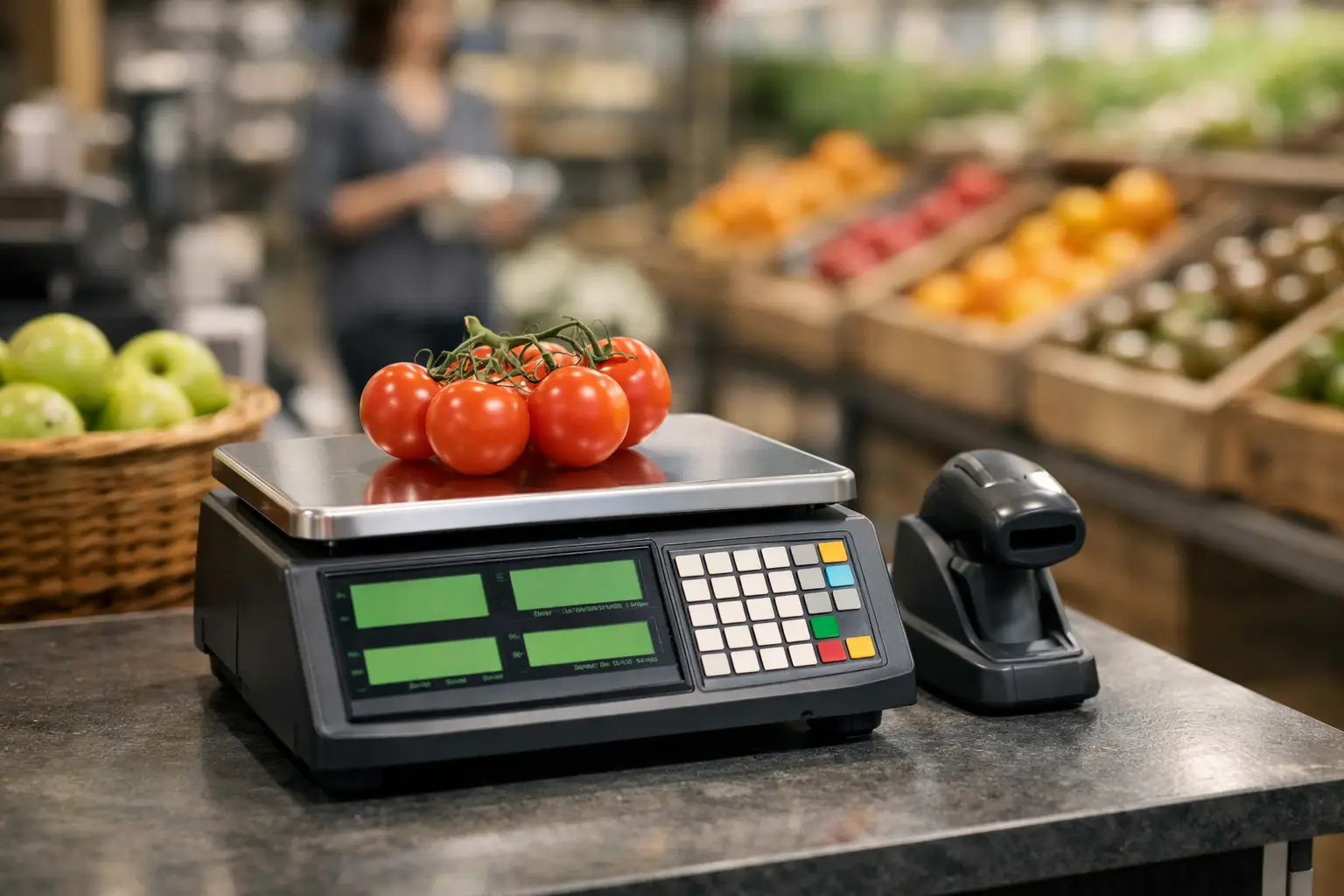
If you are selling anything by weight, this question is not academic – it affects how you trade every day. Do retail scales need verification? In many Australian retail settings, yes, they do. If the weight shown on the scale is being used to calculate a price, determine a charge, or support a transaction between you and a customer, that scale generally needs to be suitable for trade use and properly verified.
That matters whether you run a butcher shop, fruit and veg store, deli, seafood counter, health food shop, market stall, or any other business where goods are sold by weight. It also matters if you are buying goods by weight from suppliers or producers and the measurement is part of the sale.
The short version is simple. If money changes hands based on what the scale says, you should assume compliance matters. The part that catches many operators out is that calibration, verification and trade approval are related, but they are not the same thing.
Do retail scales need verification in Australia?
In Australia, scales used for trade need to meet legal metrology requirements. That usually means the instrument must be trade approved and verified before it is used in a commercial transaction. Verification is the process that confirms the scale is suitable and accurate for trade use within the required tolerances.
This is not just a box-ticking exercise. It is there to protect both the customer and the business. A scale that reads high can overcharge customers. A scale that reads low can quietly erode margin over hundreds of transactions. Either way, inaccurate weighing creates risk.
For a retailer, verification is really about confidence. It shows that the scale has been checked against the correct standards and is legally suitable for the job it is doing.
When verification is required
The clearest test is this: are you using the scale to determine a price or payment? If yes, verification is usually required.
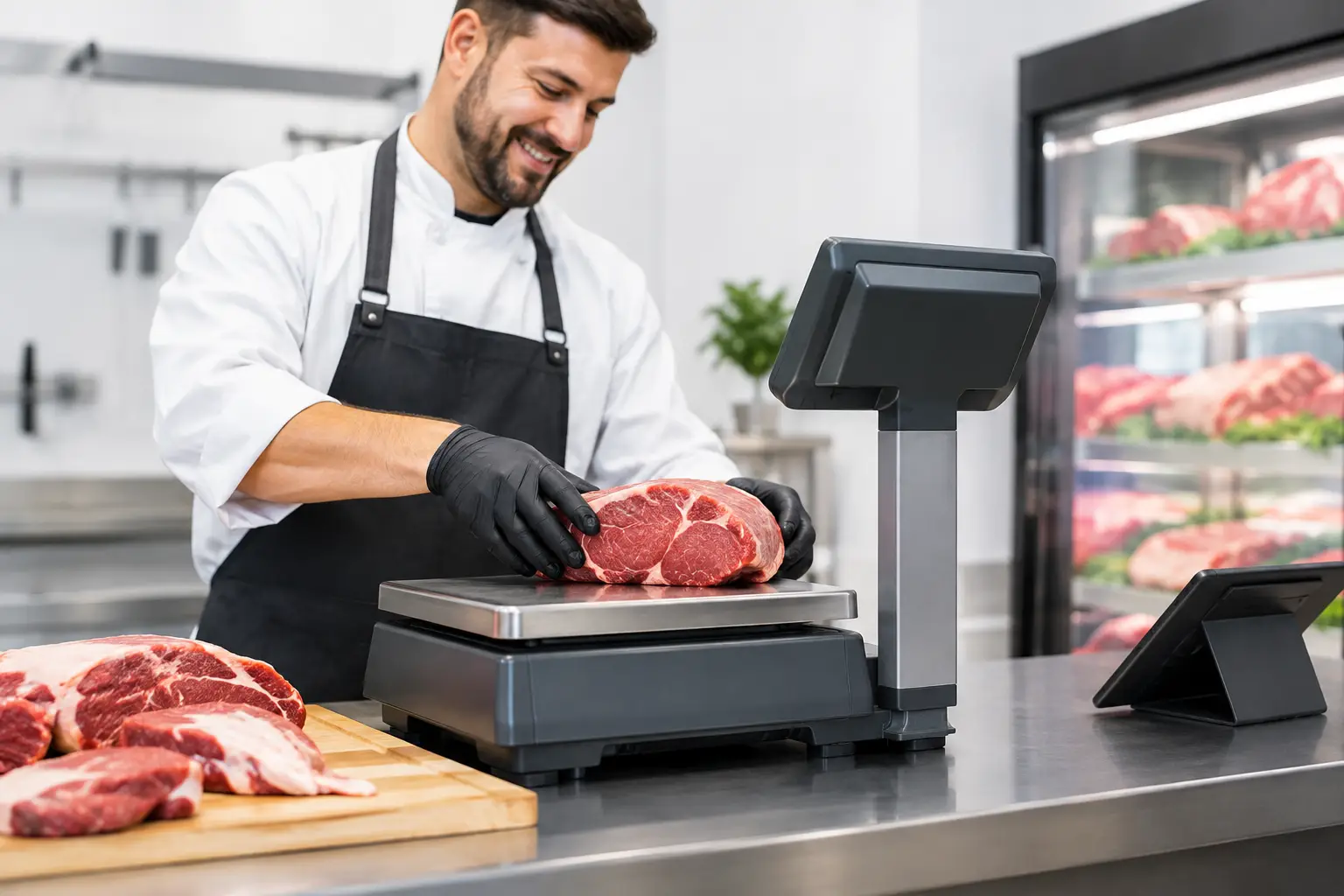
Common examples include weighing meat, produce, nuts, lollies, coffee beans or seafood for sale, pricing goods at a checkout by weight, and using a scale at a market or pop-up where customers pay according to the measured amount. The same principle can apply when goods are bought from a supplier by weight.
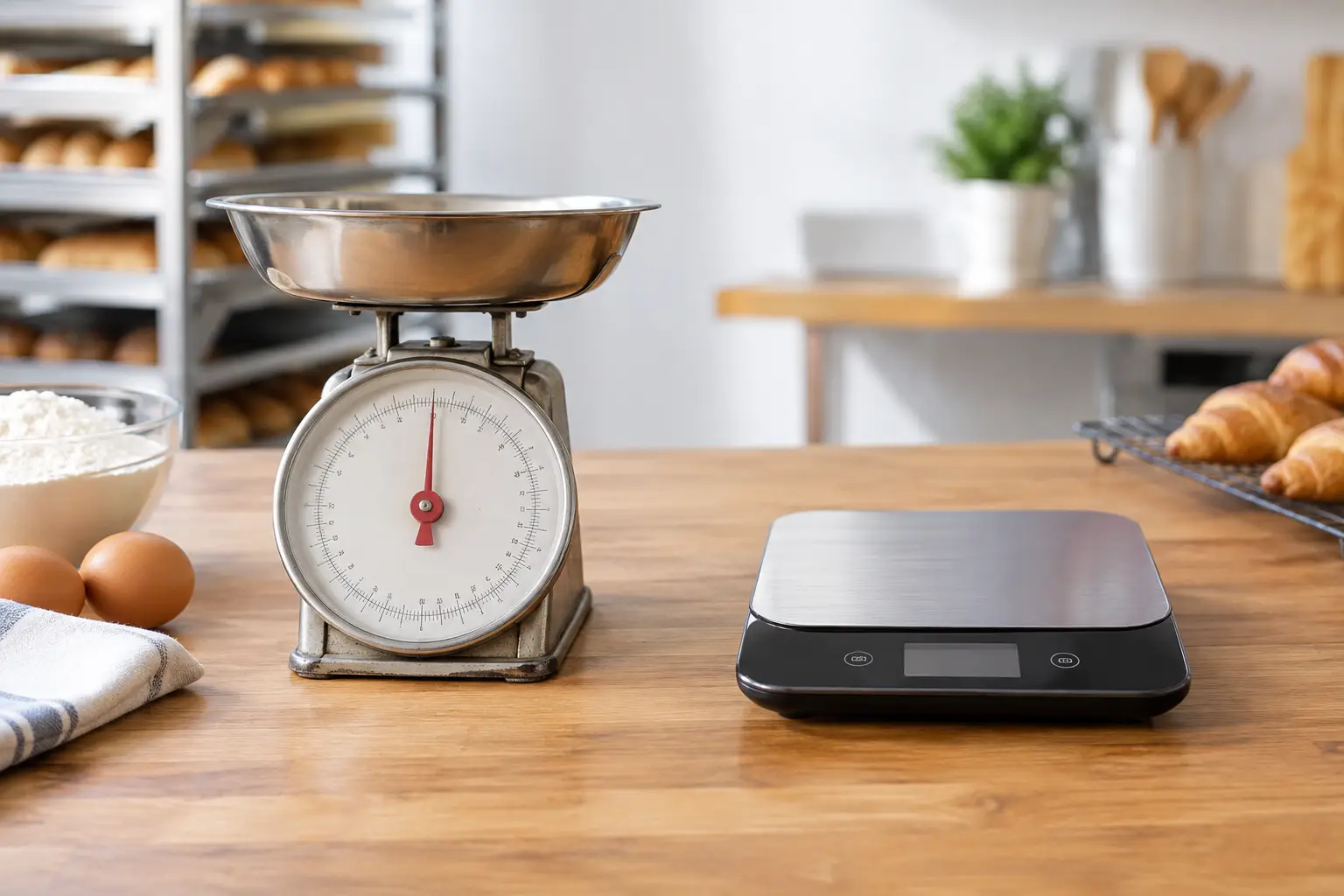
There are also situations where a business has scales on site that do not need verification. If a scale is only being used internally for portion control, stock handling, recipe prep, freight estimation, or general back-of-house checks, that is generally not a trade use. A kitchen prep scale in a café, for example, is different from the customer-facing scale that calculates what a shopper pays for deli items.
This distinction is important because many businesses use both types. One scale may need full trade compliance, while another in the same premises may not.
Trade approved, calibrated and verified – not the same thing
This is where confusion usually starts.
A trade-approved scale is a model that has been assessed and approved as suitable for trade applications. That approval relates to the design and specification of the instrument.
Calibration is the process of testing and adjusting a scale so it reads accurately. It is essential for performance, but calibration on its own does not make a scale legally compliant for trade use.
Verification is the formal step that confirms a trade-approved scale is operating within the required tolerances and is ready to be used in trade. In practice, a business may have a scale that seems accurate, but if it has not been verified for trade use, that does not necessarily satisfy compliance obligations.
That is why buying a cheaper scale online can become expensive later. It may work well enough for internal weighing, but if it is not trade approved and verified, it may not be suitable for retail transactions.
Why businesses get caught out
Most operators are not trying to sidestep the rules. More often, they inherit equipment with a shop fit-out, buy a replacement in a hurry after a breakdown, or assume that because a scale powers on and weighs correctly, it is good to use.
The problem is that legal use and practical use are not always the same thing. A scale can appear accurate in day-to-day operation and still be the wrong device for trade purposes. It can also drift over time, especially in busy environments where equipment is moved, knocked, overloaded or exposed to heat, grease, moisture or vibration.
Retail businesses work under pressure. When the queue is building and staff are trying to serve quickly, compliance checks are rarely top of mind. But they are far easier to deal with before there is an issue than after one.
What happens if your scale is not compliant?
The immediate risk is obvious – incorrect transactions. Customers can lose trust quickly if they think pricing by weight is inconsistent or inaccurate.
There is also the compliance side. If a scale used for trade is not properly approved or verified, the business may face regulatory attention, failed inspections, disruption to trading, or the cost of urgent replacement and re-verification. Even when the issue is unintentional, it still creates downtime and stress.
For smaller operators, the operational impact is often the bigger problem. If your only counter scale is taken out of service or found unsuitable, the day gets messy fast. Staff have to improvise, service slows down, and customers notice.
How to tell if your retail scale needs attention
If you are unsure about a scale already in use, a few practical questions can help.
Was it supplied as trade approved for retail use? Has it been verified for trade? Is the current application actually a trade application? Has the scale been moved, repaired or reinstalled since it was last checked? Are staff relying on it all day in a high-volume environment?
Any uncertainty is worth addressing early. This is especially true for businesses opening a new site, taking over an existing premises, adding a second weighing station, or replacing older equipment that has become unreliable.
It also pays to think beyond compliance alone. The right scale should suit your workflow, available bench space, product type and transaction speed. A compliant scale that slows service or confuses staff is still the wrong fit.
Do retail scales need verification after repairs or relocation?
Often, yes. If a scale has been repaired, adjusted, or moved to a new location, it may need to be checked again to confirm it still meets requirements for trade use. Even a careful relocation can affect performance, particularly with sensitive weighing equipment.
That is why installation matters. Proper setup, levelling, testing and verification all work together. Businesses sometimes treat these as separate jobs, but they are best handled as one process so there is no gap between delivery, setup and legal readiness.
For multi-site operators, consistency matters too. The same model scale can behave differently depending on bench condition, surrounding environment and how heavily it is used.
Choosing the right support partner
When a scale is part of daily revenue, support matters almost as much as the hardware itself. A retailer does not just need a box delivered to the counter. They need advice on whether the application is trade-related, whether the model is suitable, how it should be installed, and what servicing or recalibration may be needed over time.
That is where working with a provider that understands retail operations makes a difference. Businesses across Southeast Queensland often need more than supply – they need someone who can verify, calibrate, service and repair the equipment, and do it quickly if trading is affected. For many operators, that local support is what keeps a compliance issue from becoming a lost day of sales.
Electronic Business Equipment supports businesses with trade-approved weighing equipment, calibration, verification and ongoing service, which is often the practical difference between simply owning a scale and being able to rely on it.
The real question is not just compliance
Asking do retail scales need verification is the right place to start, but the more useful question is whether your current setup is fit for the way you trade. Compliance is essential, but so is having equipment that is accurate under pressure, easy for staff to use, and backed by support when something goes wrong.
If your scale is involved in a sale by weight, do not leave it to assumption. A quick check now is usually far easier than sorting out a problem mid-service. The right advice can save you from rework, lost time and awkward conversations at the counter.





Leave A Comment
You must be logged in to post a comment.