
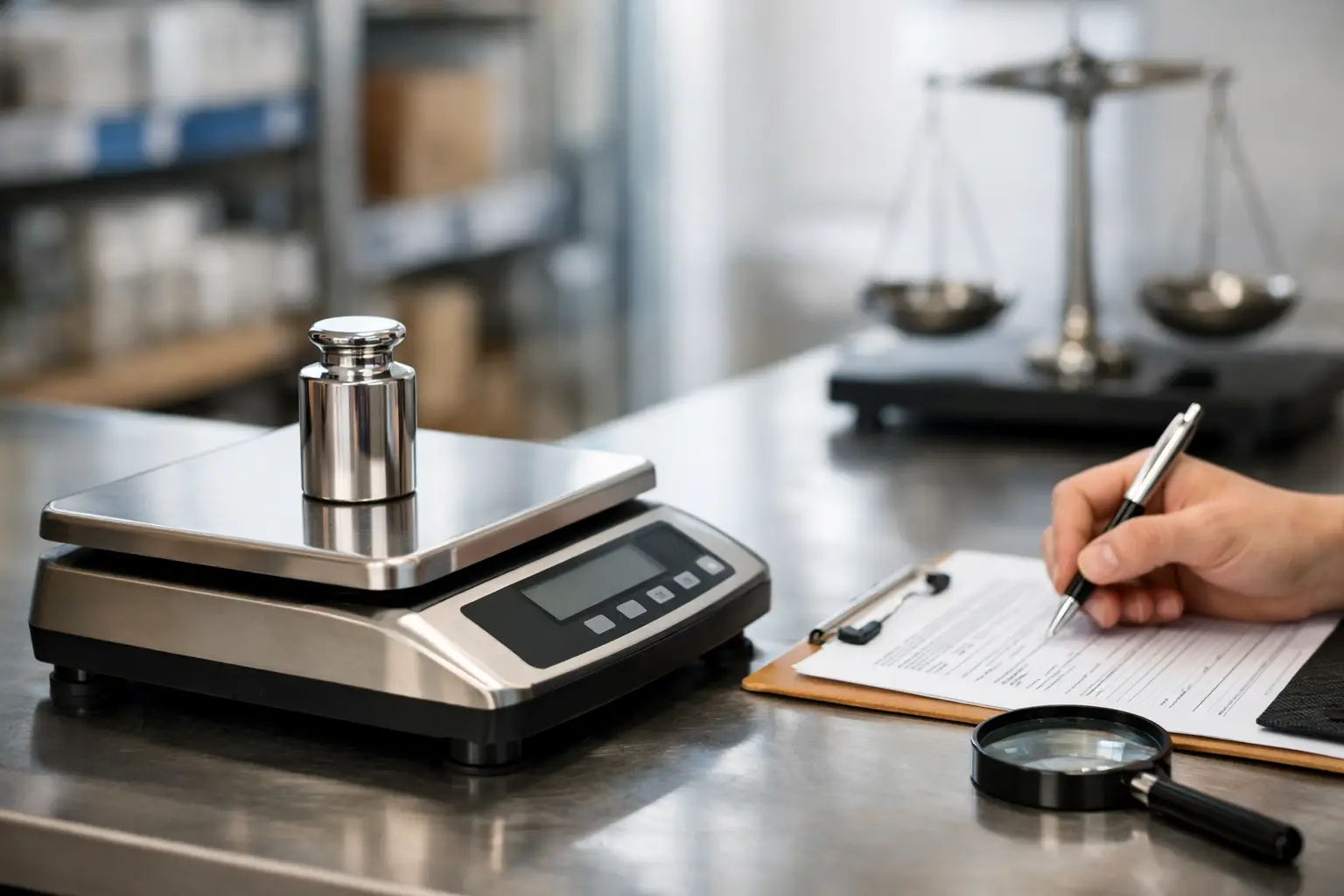
If you sell products by weight, your scale is not just another piece of bench equipment. It affects what you charge, what your customer receives, and whether your business meets trade measurement regulations scales requirements in Australia. For grocers, butchers, delis, seafood retailers, market stalls and food businesses, that makes scale compliance a day-to-day operational issue, not a box-ticking exercise.
Most operators only look closely at their weighing equipment when something goes wrong – an inspector visit, a customer complaint, a failed label print, or a scale that starts drifting during service. By then, the problem is usually more expensive than it needed to be. Getting the right setup from the start, and keeping it maintained properly, saves time, avoids disputes and helps protect your reputation.
What trade measurement regulations for scales actually cover
In simple terms, trade measurement regulations for scales apply when a weight is used to determine price, quantity or charges in a commercial transaction. If your customer is paying based on kilograms or grams, the scale used in that sale must meet legal requirements.
That usually means the scale must be trade approved for the intended use, installed correctly, and verified before being used for trade. It also needs to remain accurate in service. Buying a general-purpose scale online because it looks similar to a trade-approved model is where many businesses come unstuck. Two units can look almost identical on the bench while only one is suitable for legal trade use.
There is also a practical difference between owning a compliant scale and keeping it compliant. A scale may have started life as suitable for trade use, but damage, poor placement, load cell issues, power instability, environmental conditions or missed servicing can change that over time.
Why compliance matters beyond avoiding penalties
Most business owners understand the legal side, but the operational side is just as important. An inaccurate scale affects margin straight away. If it undercharges, your business absorbs the loss. If it overcharges, the customer loses confidence and you may have to manage refunds, complaints or worse.
For businesses with high turnover and fast transactions, even a small weighing error can compound quickly. A few grams on one sale may not look like much, but over hundreds of transactions it becomes a real cost. That is especially true in fresh food environments where products are sold all day, staff rotate often, and equipment is exposed to moisture, temperature shifts and frequent cleaning.
Compliance also supports consistency across staff and sites. When equipment is correctly configured, verified and maintained, your team can work faster with less guesswork. That matters whether you are serving customers at a butcher counter, processing deli packs, or trading at a busy weekend market.
Which businesses need to pay close attention
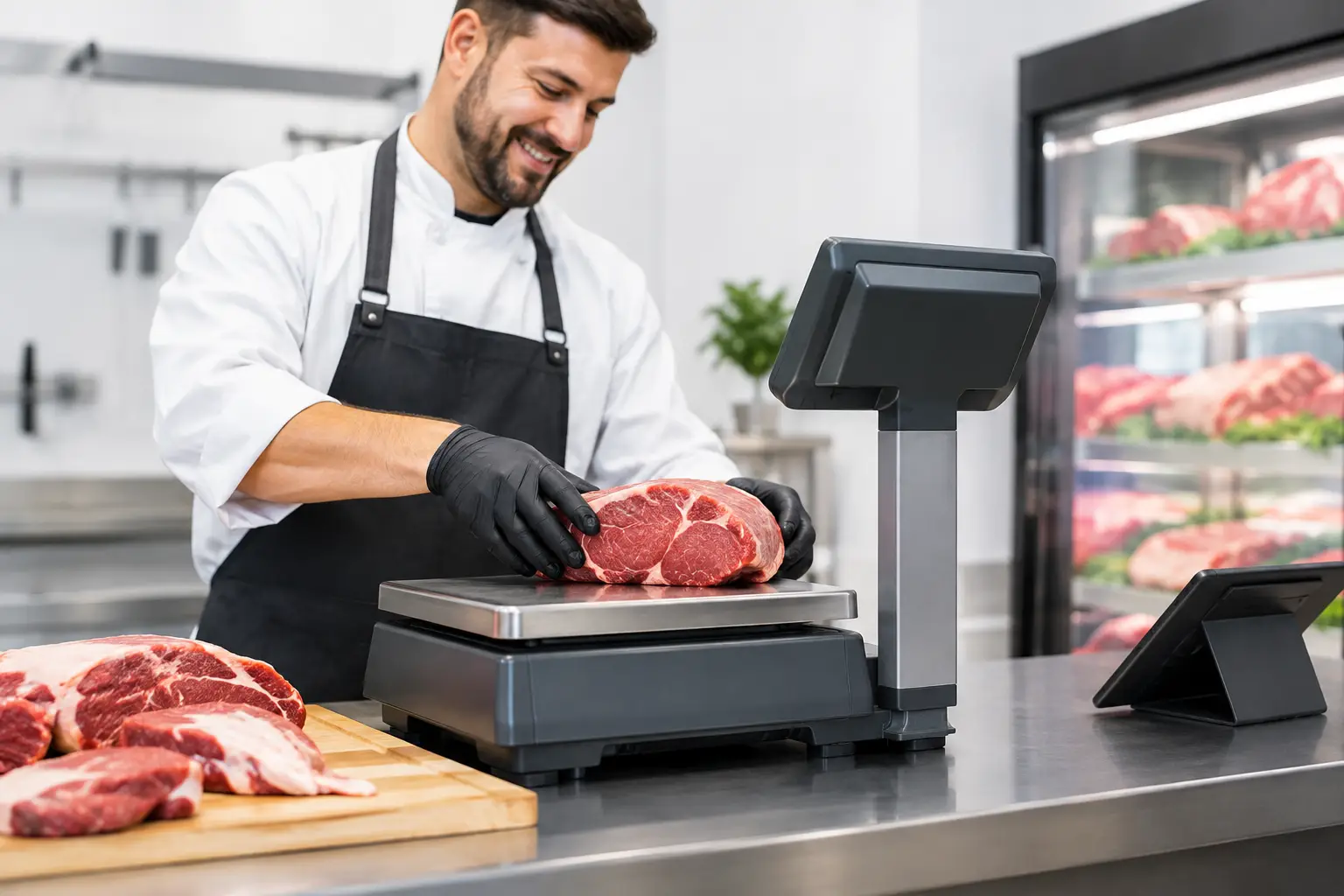
Any business selling by weight should treat this seriously, but the level of risk varies depending on the environment. A supermarket, fruit shop, seafood outlet, bulk food retailer or independent butcher will usually rely on trade-approved weighing equipment as part of core daily operations. Cafes and takeaway venues may need compliant scales too if product pricing is based on weight rather than fixed portions.
Markets and mobile operators have their own challenges. Equipment gets moved, packed up, transported and set up again, sometimes on uneven surfaces or in changing weather. That creates more opportunity for weighing performance to shift. A scale that behaved perfectly in a workshop or shop fit-out can become unreliable if it is used on unstable benches, exposed to wind, or powered inconsistently at temporary sites.
The basics of a compliant scale setup
The first step is choosing the right type of scale for the job. Capacity, readability, operating environment and integration needs all matter. A deli counter has different requirements from a produce store, and both are different again from a warehouse or back-of-house packing area.
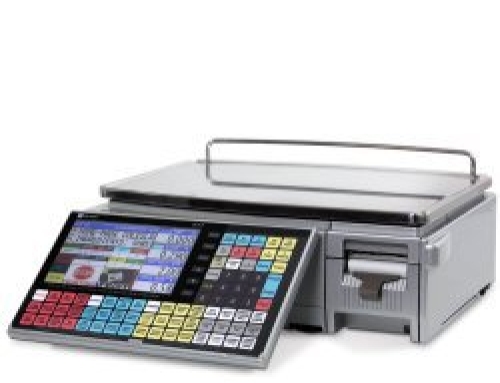
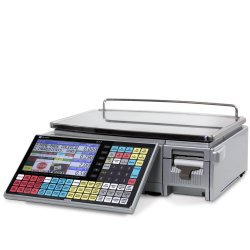
Trade approval is only one part of the picture. The scale also needs to suit your workflow. If you need label printing, POS integration, pre-set item keys or network connectivity, those functions should be considered upfront. The wrong scale may technically meet approval requirements but still slow staff down or create unnecessary manual handling.
Verification is the next step. Before a scale is used for trade, it needs to be properly verified by an authorised technician. This confirms it is suitable for use in its installed condition, not just as it came out of the carton. Placement, levelling, environment and calibration all influence that result.
Common compliance issues businesses run into
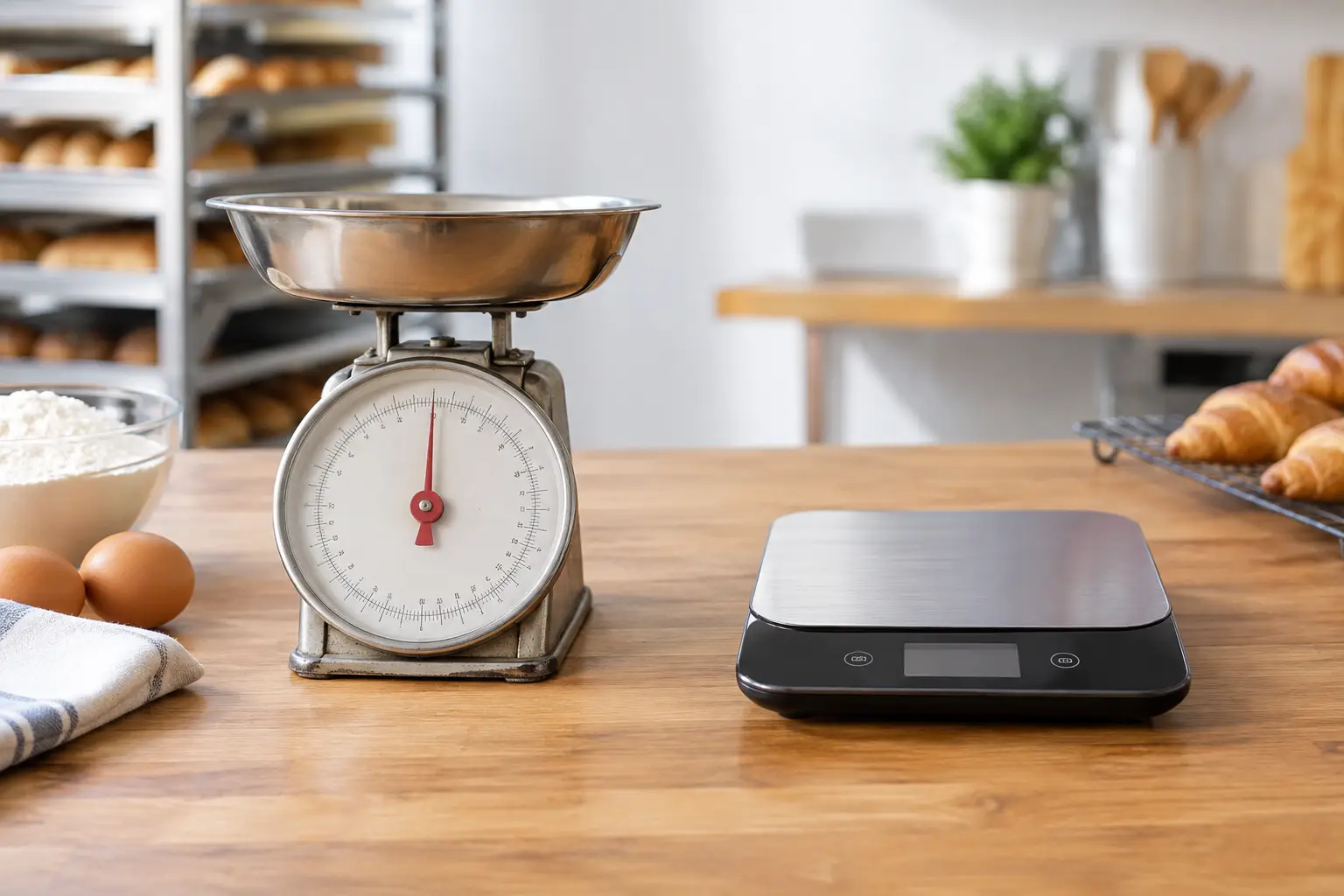
One of the most common problems is assuming any digital scale can be used commercially. It cannot. Non-approved scales are widely sold and often look professional enough to pass a casual inspection by staff. That does not make them legal for trade use.
Another common issue is poor installation. A compliant scale placed on an unstable bench, near vibration, under air movement or on an uneven surface can produce unreliable readings. Businesses sometimes blame the unit when the real issue is the operating environment.
Servicing gaps are another weak point. Scales work hard, especially in food service and retail. If they are bumped, overloaded, washed incorrectly or left with faults unaddressed, accuracy can drift. Waiting until a unit fails completely is rarely the cheapest option.
There is also the question of staff habits. Using a scale before it has settled, allowing packaging to interfere with weighing, or ignoring obvious reading fluctuations can all create problems. Even good equipment needs proper day-to-day use.
Trade measurement regulations scales and ongoing maintenance
Trade measurement regulations scales are not a one-off purchase decision. They are an ongoing responsibility. That means regular checks, timely servicing and a clear plan for repairs or recalibration when performance changes.
How often a scale needs attention depends on the environment and usage. A unit in a clean, stable retail setting may hold its performance well. A scale in a busy butcher shop, seafood store or mobile operation may need more frequent inspection because of moisture, corrosion, heavy use or transport.
Preventative maintenance is usually the better path. It gives you a chance to pick up wear, damage or drift before it causes downtime or compliance issues. It also makes budgeting easier because you are managing equipment life rather than reacting to sudden failures during trade.
For many businesses, local technical support makes a real difference here. When a scale is part of your sales process, waiting days for diagnosis is not ideal. Fast access to technicians who can assess, calibrate, verify and repair the equipment reduces disruption and helps keep your counter operating.
Repair, replace or upgrade?
This is where it depends. If a scale is relatively new and the fault is isolated, repair and recalibration may be the sensible option. If the unit is ageing, parts are becoming harder to source, or the business has outgrown its current setup, replacement may make more financial sense.
Upgrading can also solve issues that are not strictly compliance related. Many businesses start with a basic scale and later realise they need better labelling, faster product lookups, POS integration or more reliable performance under constant use. In those cases, a new trade-approved model can improve both compliance and efficiency.
That said, the cheapest replacement is not always the best choice. If a low-cost unit struggles in your environment, you can end up paying more through downtime, callouts and shortened equipment life. Matching the equipment to the workload is usually the smarter long-term decision.
How to stay on the right side of the rules
For most operators, the simplest approach is to treat scales the same way you treat any business-critical system. Choose the right equipment, have it installed properly, keep records, train staff in correct use and arrange servicing before problems become urgent.
It also helps to work with a provider who understands both the technical side and the compliance side. That matters because the issue is rarely just the scale itself. It is how the unit is configured, where it is placed, how it integrates with your existing systems, and how quickly support is available when things go wrong. For Southeast Queensland businesses, that kind of practical backup is often what keeps a minor issue from turning into a lost trading day.
At EBE, we see this often with businesses that are busy, short on time and trying to keep service moving. They do not need theory. They need weighing equipment that is trade approved, properly verified and backed by technicians who can keep it working as it should.
If your business sells by weight, it is worth checking your setup before someone else does. A compliant, well-maintained scale keeps transactions fair, protects your margins and gives you one less thing to worry about when the queue starts building.






Leave A Comment
You must be logged in to post a comment.