
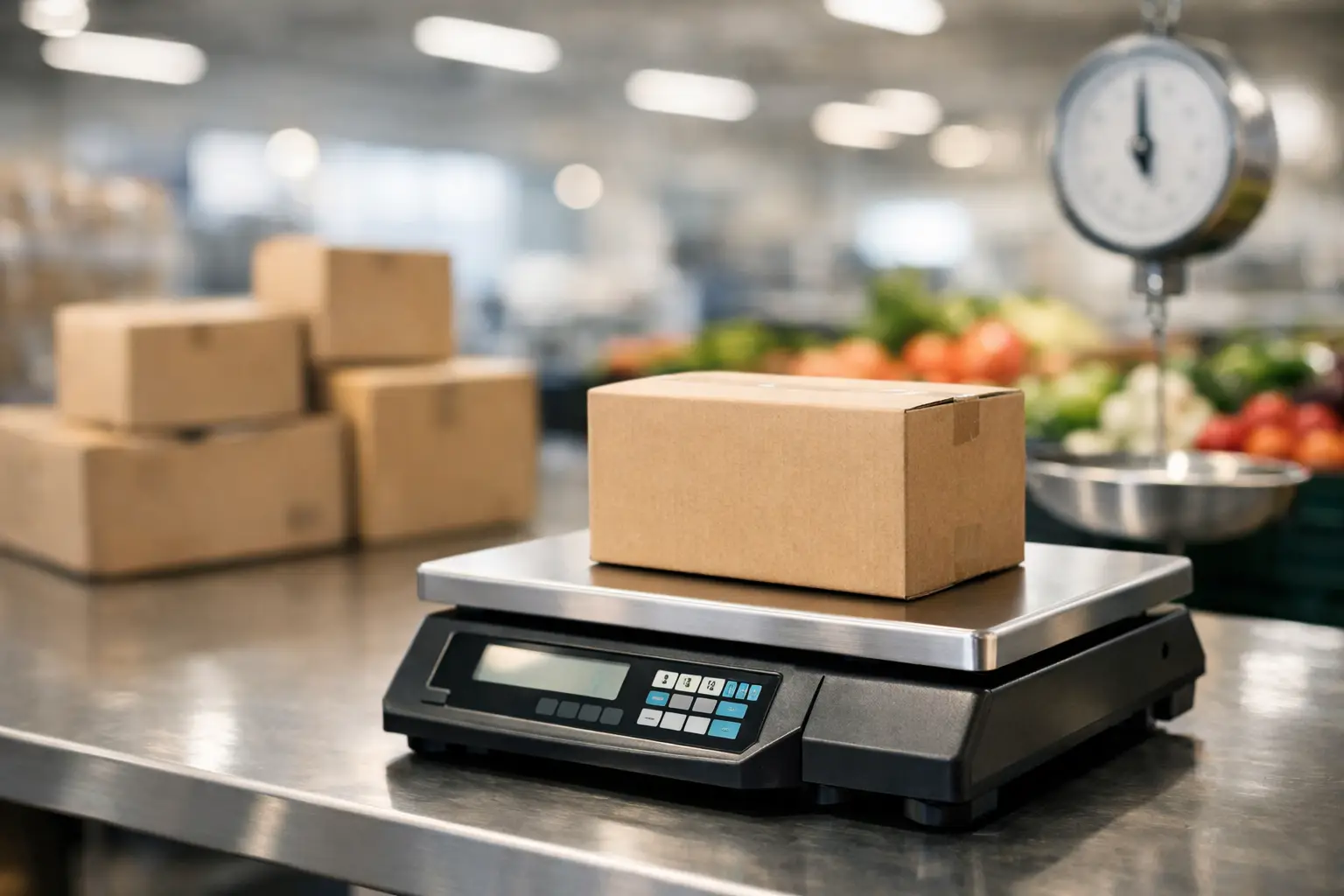
If you sell product by weight, the wrong scale can create problems fast. A trade approved weighing scale is not just a nice-to-have for butchers, grocers, cafes, market stalls and food retailers – it is often a legal requirement, and it directly affects customer trust, pricing accuracy and day-to-day efficiency.
For many businesses, the challenge is not understanding that compliance matters. It is knowing which scale is actually suitable, what trade approval really covers, and how to avoid buying equipment that looks right on paper but does not suit the way the business operates. That is where a practical approach matters.
What a trade approved weighing scale actually means
A trade approved weighing scale is a scale that is approved for use in commercial transactions where price is based on weight. If you are charging a customer for produce, meat, deli items, confectionery, seafood or any other goods sold by weight, the scale needs to meet trade measurement requirements.
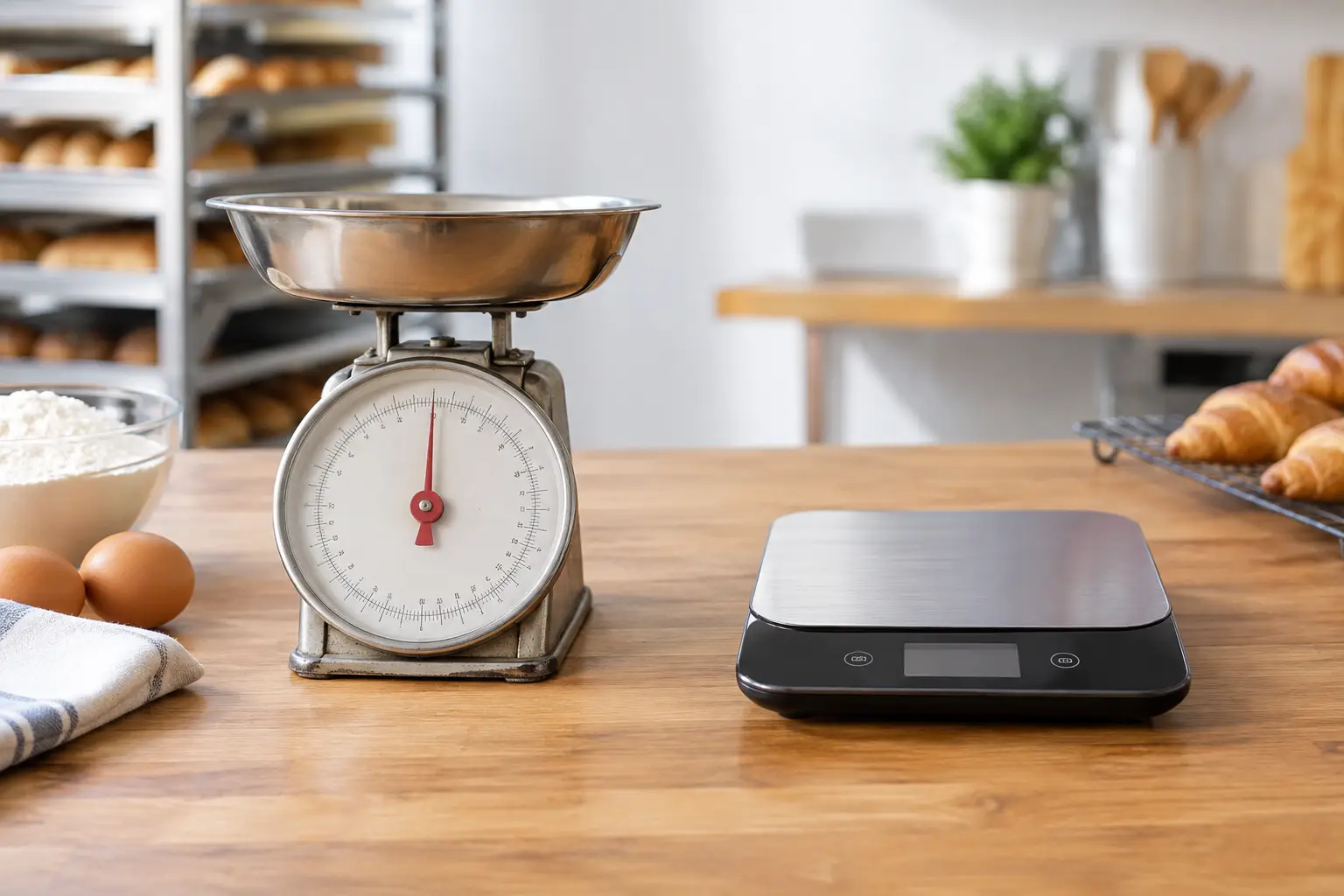
In practical terms, that means the scale has been designed and assessed for accuracy in trade use. It is not the same as a general-purpose bench scale or back-of-house portion scale. A non-trade unit may still weigh accurately enough for kitchen prep or internal stock handling, but if the weight is being used to determine sale price, that is a different standard.
This distinction catches some businesses out. A cheaper scale can seem like a sensible purchase until it is used at the counter, linked to a POS workflow, or inspected for compliance. At that point, saving money upfront can become expensive.
Who needs a trade approved weighing scale?
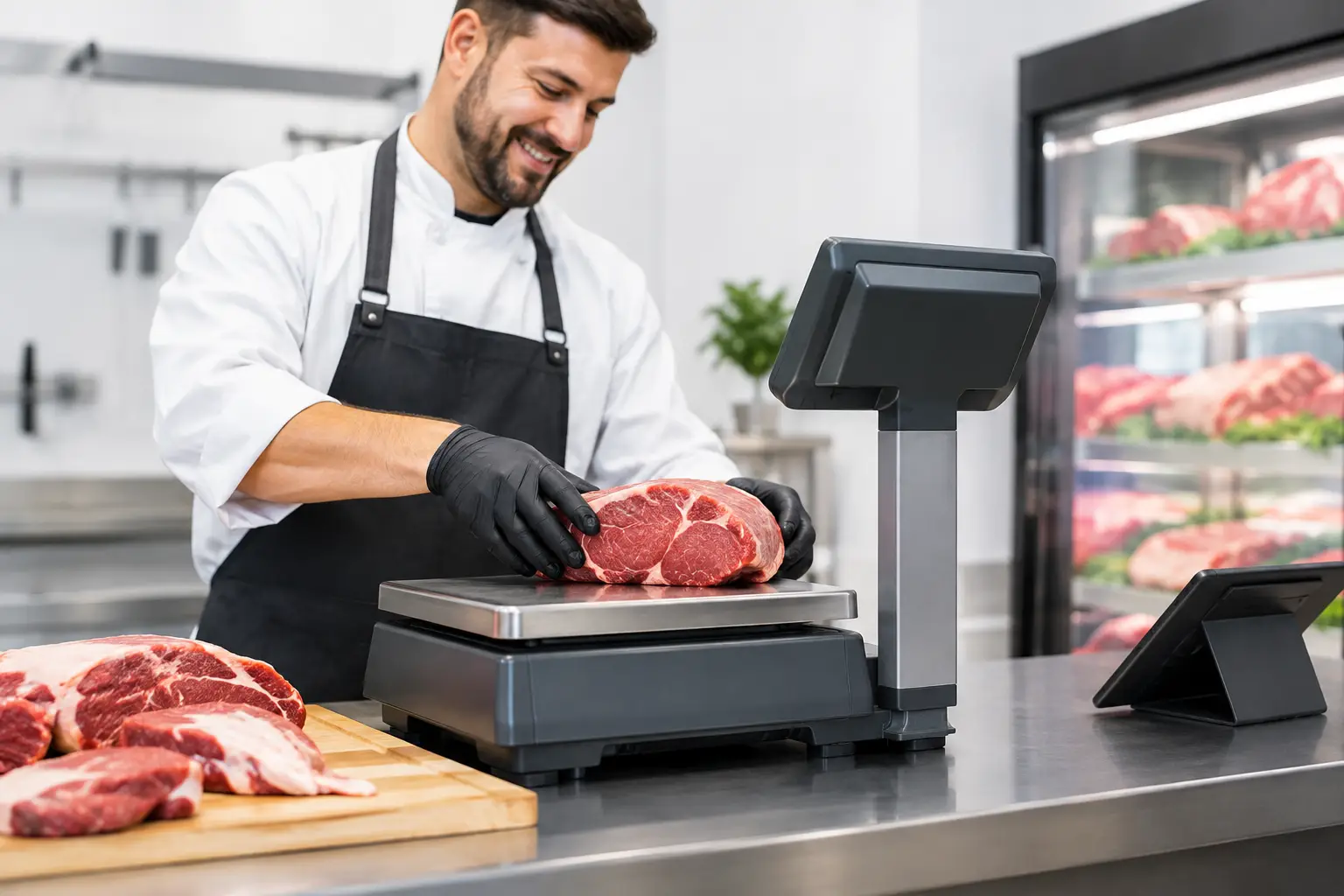
If weight affects what your customer pays, you will usually need a trade approved weighing scale. That commonly includes supermarkets, fruit and veg shops, butcher shops, seafood outlets, health food retailers, bakeries selling by weight, and many market operators.
Hospitality businesses can also need one, depending on how they sell. A cafe weighing retail coffee beans for sale is in a different position from a kitchen weighing ingredients for prep. A takeaway business selling pre-packed meals at a fixed price may not need trade approval for that process, while a deli counter serving customer-selected quantities almost certainly will.
This is one of those areas where it depends on how the transaction happens, not just what industry you are in. The safest move is to assess the actual sales process rather than assume all scales in the business need the same level of approval.
Why the right scale matters beyond compliance
Compliance is the obvious issue, but it is not the only one. The right scale keeps transactions moving, reduces pricing disputes and gives staff confidence at the counter.
A scale that is slow to stabilise, hard to clean or awkward to integrate with labels and POS can create friction all day long. It may still be compliant, but it is not necessarily a good fit. On the other hand, a scale chosen around your workflow can speed up service, improve accuracy and reduce operator error.
That matters in busy settings. If you run a butcher shop on a Saturday morning, a deli at lunch or a market stall with a queue forming, the scale is not just a compliance device. It is part of the sales system.
Choosing a trade approved weighing scale for your business
The best scale depends on what you sell, where you sell it and how your team works. There is no single model that suits every business.
Capacity and accuracy
Start with the products you weigh most often. A business selling spices, nuts or small deli portions may need a different capacity and graduation from a business weighing bulk produce or large cuts of meat. Too much capacity can reduce precision where it matters. Too little capacity creates delays and workarounds.
The right balance comes from real usage, not guesswork. Looking at average sale weights, peak periods and typical product range usually gives a clearer answer than buying the biggest unit available.
Countertop, bench or portable setup
A fixed retail counter has different needs from a mobile operator. If you trade at markets, events or temporary sites, power supply, transport durability and bench space all come into play. A scale that works perfectly in a permanent store may be inconvenient in a mobile setup.
For shopfront businesses, footprint and operator layout matter more than many expect. A scale that blocks customer view, crowds the till area or makes cleaning awkward can become a daily frustration.
POS, label printing and system integration
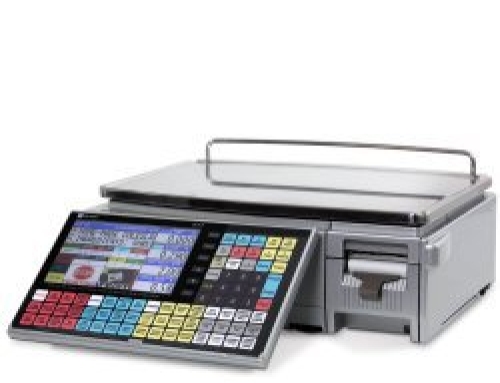
A standalone scale may be enough for simple transactions. But if you need label printing, barcode generation or integration with a POS system, the specification becomes more important.
This is where buying in isolation can be risky. A scale might be trade approved but still not communicate properly with your existing software, scanner setup or printer environment. For businesses that need a connected front counter, compatibility is just as important as compliance.
Washdown and food environment suitability
In food retail, build quality matters. Butcher shops, seafood outlets and prep-heavy environments need equipment that can handle cleaning requirements and harsh conditions. A scale that is technically suitable for trade use may still be the wrong choice if it does not stand up to moisture, residue, frequent wipe-downs or heavy daily use.
Ease of use for staff
Simple operation saves time. Clear displays, intuitive keys and reliable functions make a difference when training casual staff or managing busy service periods. If your team has to second-guess the scale, mistakes are more likely.
Trade approved weighing scale compliance is not set-and-forget
Buying the right unit is only part of the job. A trade approved weighing scale still needs proper setup, verification and ongoing attention.
Scales can drift over time, especially in busy retail environments where they are moved, cleaned heavily, loaded frequently or exposed to vibration and temperature changes. Even a quality scale can produce problems if it is poorly installed, knocked out of level or left without servicing.
That is why support matters. Businesses are generally better served by working with a provider that can supply, install, calibrate and service the equipment rather than simply sell a box and disappear. If a scale is central to how you trade, downtime and uncertainty are expensive.
Common mistakes businesses make
One common mistake is buying a non-trade scale for front-of-house use because it is cheaper. Another is choosing based only on price without thinking about cleaning, integration or service access.
There is also the assumption that any approved scale is good enough. In reality, approval is the baseline. The right scale also needs to suit your bench space, transaction volume, staff capability and software setup.
Some businesses also overlook after-sales support. When a scale fails in the middle of service or starts behaving unpredictably before a busy weekend, local technical help becomes far more valuable than a small saving on purchase price.
What to ask before you buy
Before choosing a trade approved weighing scale, it helps to ask a few practical questions. Are you selling directly to the public by weight? Do you need customer-facing displays? Will the scale connect to POS or label printers? Does it need to travel, or stay fixed in one position? How often will it be cleaned, and in what conditions?
It is also worth asking who will handle calibration, servicing and repairs. A scale is not much use if you have to send it away for every issue or wait days for someone unfamiliar with your setup.
For Southeast Queensland businesses, working with a local technical team can remove a lot of that risk. EBE supports businesses with trade-approved weighing equipment, calibration, installation and repairs, which means the advice is based on how the scale will actually perform in your environment, not just what is printed on the spec sheet.
The best scale is the one that fits the way you trade
The right trade approved weighing scale should do more than satisfy a requirement. It should support accurate pricing, faster service and fewer interruptions. That usually comes from matching the equipment to the business properly, then backing it with the right setup and support.
If you are weighing goods for sale, it is worth getting this decision right the first time. A scale that suits your workflow, meets compliance requirements and can be supported locally will make life easier for staff and customers alike – and that is exactly what good business equipment should do.





Leave A Comment
You must be logged in to post a comment.