

If you sell by weight, price packaged goods, or rely on scales at the counter, compliance is not a back-office issue. It affects every transaction, every customer interaction, and every inspection risk. A solid trade measurement compliance guide helps you avoid the expensive problems that come from inaccurate equipment, poor setup, or missed servicing.
For many small and mid-sized businesses, trade measurement rules feel straightforward until something goes wrong. A scale drifts out of tolerance. Labels do not match actual weight. A busy team starts using equipment that was never properly verified for trade use. When that happens, the cost is not just regulatory. It can mean lost revenue, customer complaints, disrupted service, and time pulled away from running the business.
What trade measurement compliance actually covers
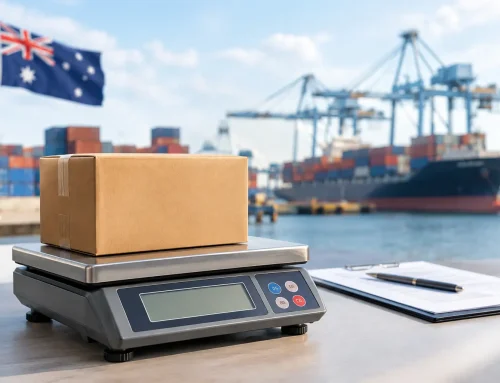
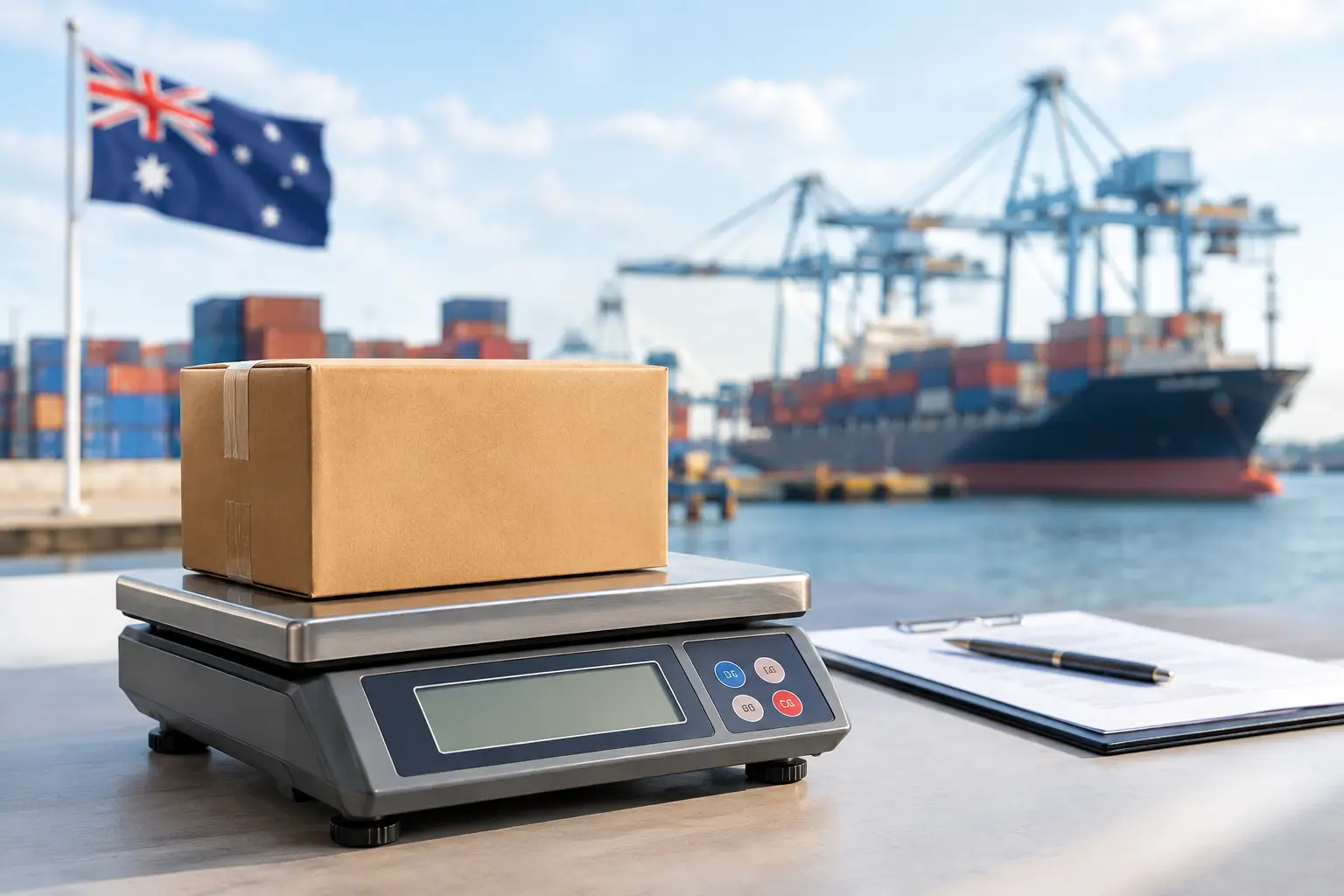
Trade measurement compliance applies when measurement is used as part of buying or selling. In practical terms, that usually means weighing goods for sale, checking packaged product quantities, or using systems that calculate price from measured weight. If a customer is paying based on what a device measures, that device and the way it is used matter.
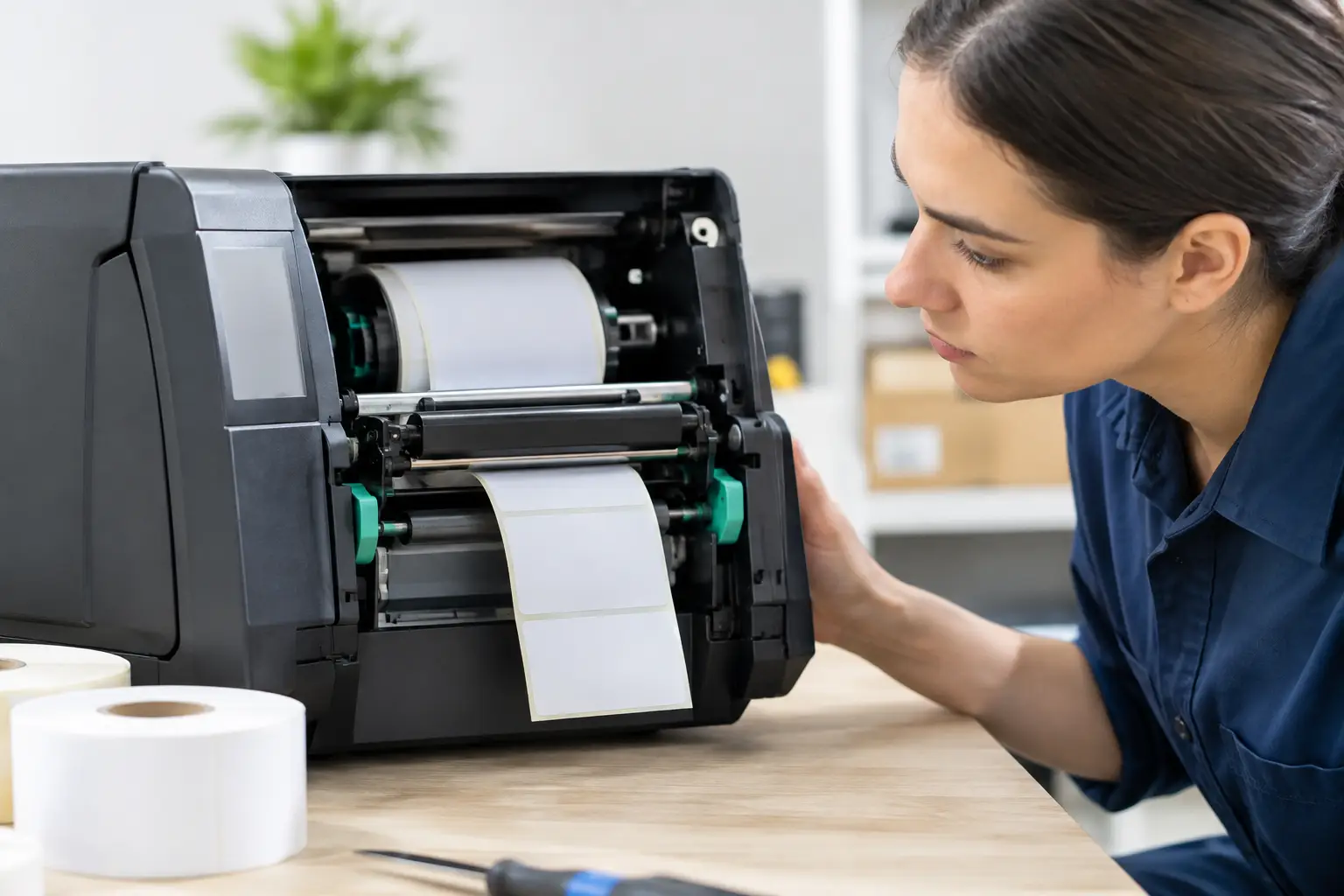
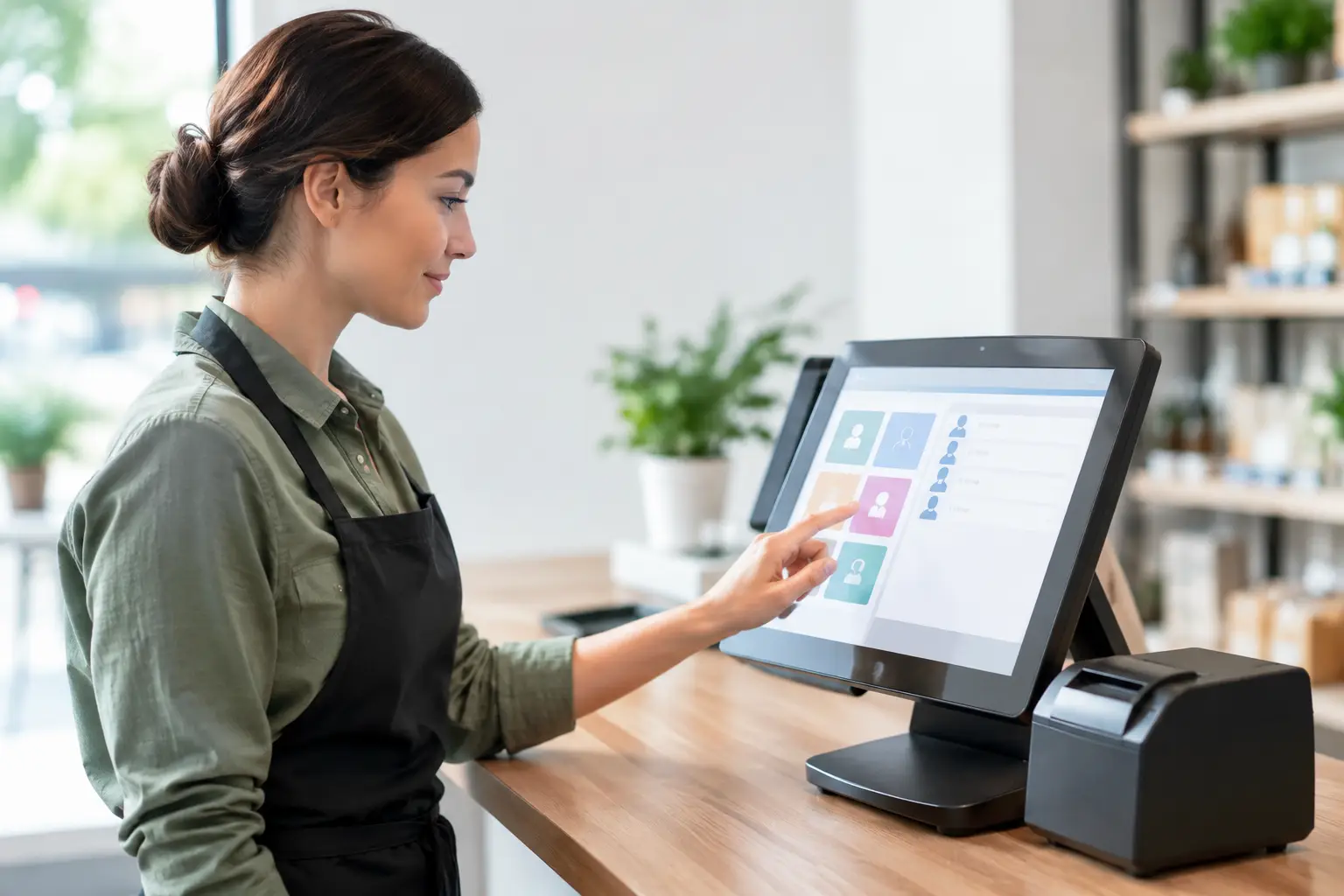
For retailers, grocers, butchers, seafood outlets, bakeries, fresh produce stores, markets and some hospitality venues, the most obvious issue is the scale itself. The equipment needs to be suitable for trade use, correctly installed, properly calibrated, and maintained over time. But compliance does not stop there. The full process includes how staff use the equipment, how labels are printed, how tare weights are applied, and whether your POS and weighing setup stay in step.
That is why a trade measurement compliance guide should never focus only on the box sitting on the bench. The real compliance picture includes the equipment, the software, the workflow, and the people using it.
The biggest compliance risks in day-to-day operations
Most businesses do not fall into trouble because they set out to do the wrong thing. More often, the issue starts with drift, wear, rushed setup, or assumptions carried over from old equipment.
One common problem is using a scale that is accurate in general terms but not trade approved for commercial transactions. A kitchen scale may be fine for prep work in the back of house, but that does not make it suitable for charging customers by weight. Another issue is calibration that was done once at installation and then forgotten. Even good equipment can move out over time, especially in busy environments with knocks, cleaning, relocation, temperature changes, or heavy daily use.
There are also less obvious risks. If labels pull the wrong product data, if preset tares are not checked, or if the POS integration rounds incorrectly, the final price may not reflect the actual measured quantity. From the customer’s perspective, it is your business that made the error. From a compliance perspective, intent does not remove the problem.
Staff training matters here as much as hardware choice. A well-configured system can still produce issues if team members do not know when to zero the scale, how to use containers correctly, or what to do when readings appear unstable.
A practical trade measurement compliance guide for operators
The most reliable approach is to build compliance into normal operations rather than treat it as a separate task. That starts with choosing trade-approved equipment that matches the way your business actually works.
If you are weighing items all day in a fast-paced retail setting, you need more than an entry-level scale. Capacity, readability, bench space, label printing, network connection and POS compatibility all affect whether the setup remains accurate and practical under pressure. The cheapest option can become expensive if it slows staff down, needs frequent repair, or does not meet your use case properly.
Installation is the next step where businesses often save money in the wrong place. A scale needs to be set up on a stable surface, in a suitable environment, and configured correctly for the products and workflow involved. If it is sitting near vibration, drafts, uneven flooring, or high-traffic areas, performance can suffer. If software settings are rushed, mistakes can carry on unnoticed until an inspection or customer query brings them to light.
Once the equipment is in place, regular calibration and verification should be treated as operational maintenance, not an optional extra. The right service interval depends on the type of business, the volume going through the equipment, and the conditions it works in. A busy butcher shop or produce retailer may need closer attention than a site with lower usage. It depends on the risk profile, not just the age of the machine.
Documentation also matters. You do not need paperwork for the sake of paperwork, but you do need a clear record of installation, servicing, calibration and any repairs. If a problem arises, having that history can save time and help demonstrate that the business has taken reasonable steps to stay compliant.
Why integrated systems can help or hinder
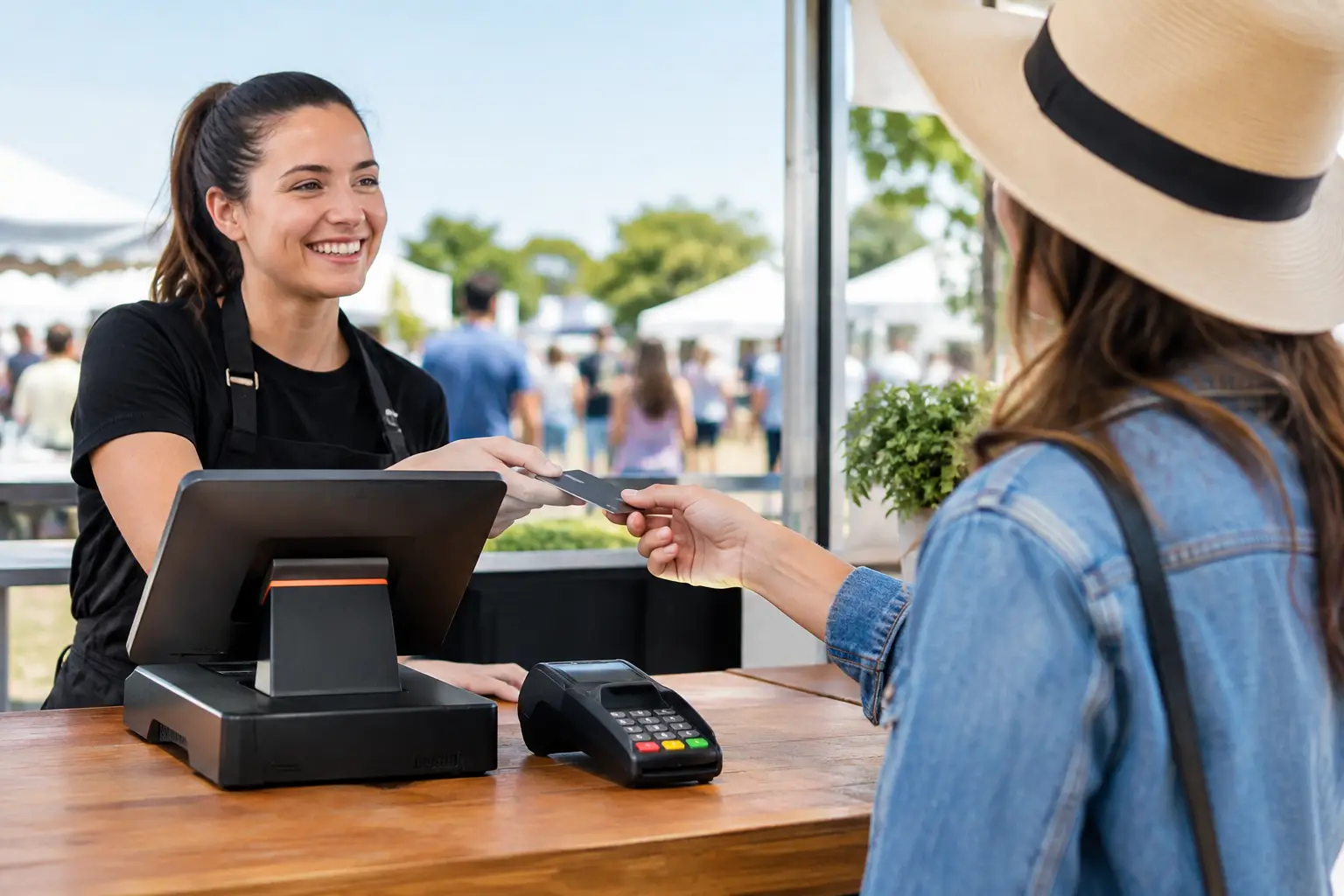
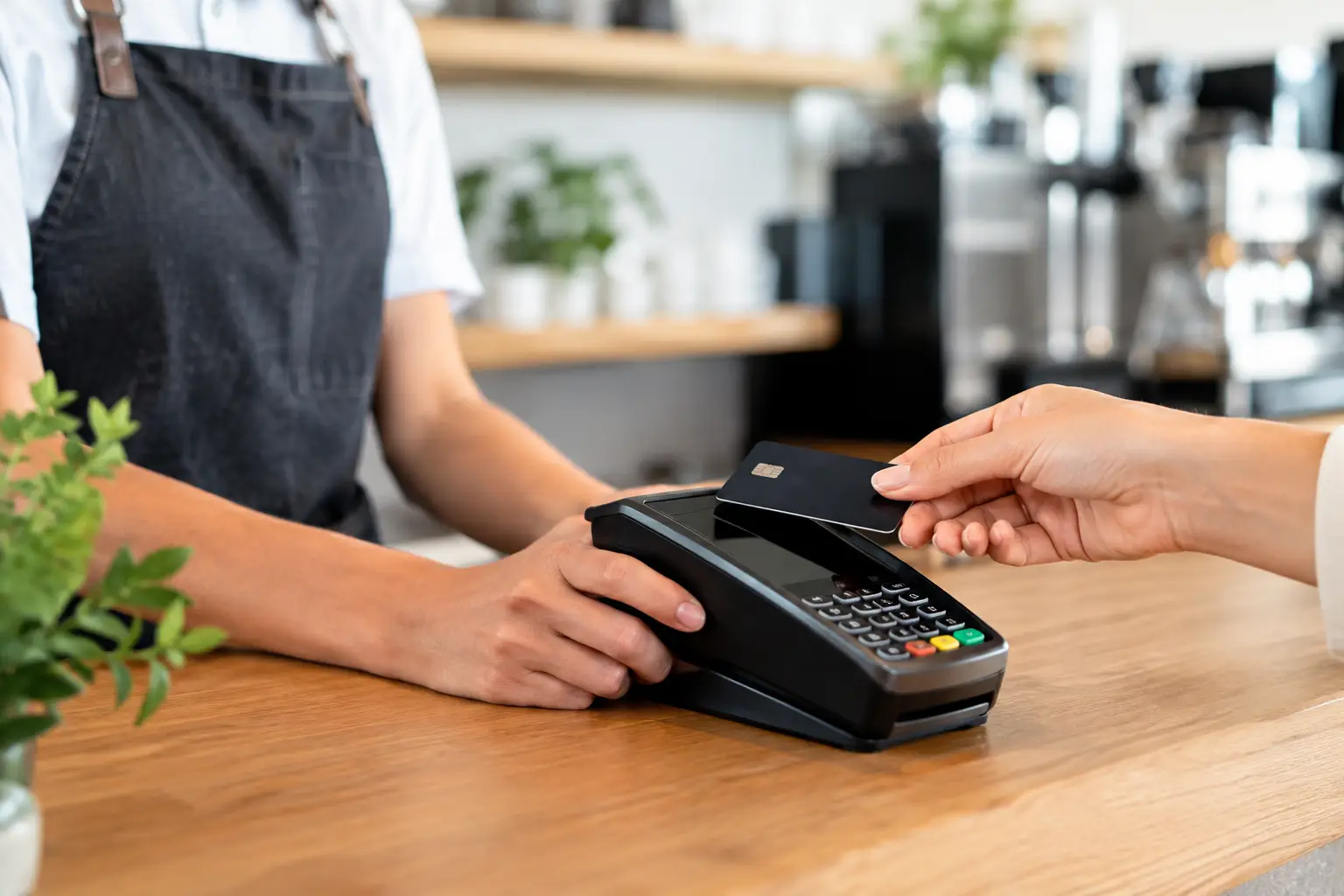
Modern trade environments rarely rely on stand-alone equipment. Scales, label printers, POS systems, back-office software and stock control often work together. That can be a real advantage, because integrated systems reduce manual entry and cut down common pricing errors.
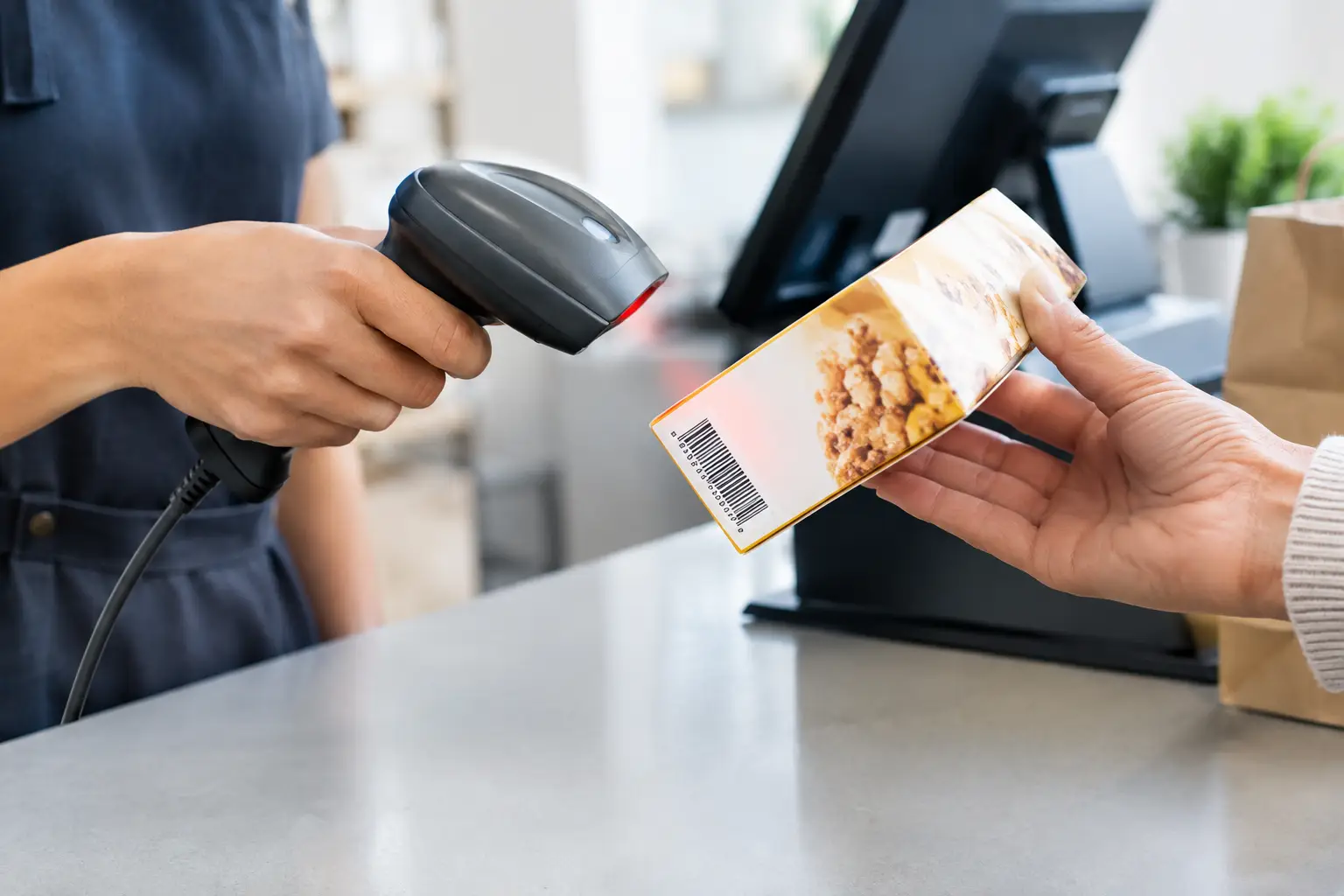
At the same time, integration adds another layer that needs to be managed properly. If product files are out of date, if barcode data is mapped incorrectly, or if software updates affect communication between devices, compliance issues can show up in ways that are not immediately obvious on the scale display.
This is where technical support becomes important. Businesses need equipment that is not only compliant on paper but also configured to perform correctly as part of the wider system. That is particularly true for operators with multiple terminals, packaged goods, changing product lines or staff turnover.
A local service partner can make a real difference here. When the people supplying, calibrating and servicing your equipment also understand your POS and workflow, problems are usually found earlier and fixed faster. That reduces downtime and lowers the chance of a small issue turning into a trading problem.
What business owners should check regularly
Compliance is easier to maintain when checks are simple and consistent. In most businesses, that means making a few practical habits part of the opening and operating routine.
Scales should be visually checked for damage, unstable placement and clear displays. Staff should confirm the unit is zeroing correctly and behaving consistently before busy trade begins. Tare functions should be understood, especially where trays, wrap, containers or packaging are involved. If a result looks odd, the answer is not to keep serving and hope for the best. It is to stop, check and get advice.
Labels and pricing outputs should also be reviewed from time to time, especially after product updates, software changes or service work. Even where the scale itself is accurate, downstream data issues can still create pricing mistakes.
If equipment is moved, bumped, repaired or exposed to unusual conditions, bring servicing forward rather than waiting for the next scheduled visit. That is one of those areas where being proactive costs less than being reactive.
Compliance is about trust as much as regulation
Customers may never ask whether your scale is calibrated, but they notice when transactions feel inconsistent. They notice if prices vary unexpectedly or if staff seem unsure how the equipment works. Confidence at the counter matters.
For business owners, trade measurement compliance is really about protecting three things at once – fairness for the customer, accuracy for the business, and confidence during an inspection or audit. Good equipment helps, but so does proper support. In practice, the strongest setups are usually the ones where supply, installation, calibration, repairs and staff guidance are treated as one connected service.
That is especially true for busy operators across Southeast Queensland who cannot afford extended downtime or vague advice. A dependable provider such as Electronic Business Equipment can help businesses choose the right trade-approved weighing solution, keep it calibrated, and support the connected systems around it so compliance does not become a disruption.
If you rely on measured sales, the best time to check your setup is before someone else does. A few practical steps now can save a lot of pressure later, and keep your business trading with confidence every day.






Leave A Comment
You must be logged in to post a comment.