
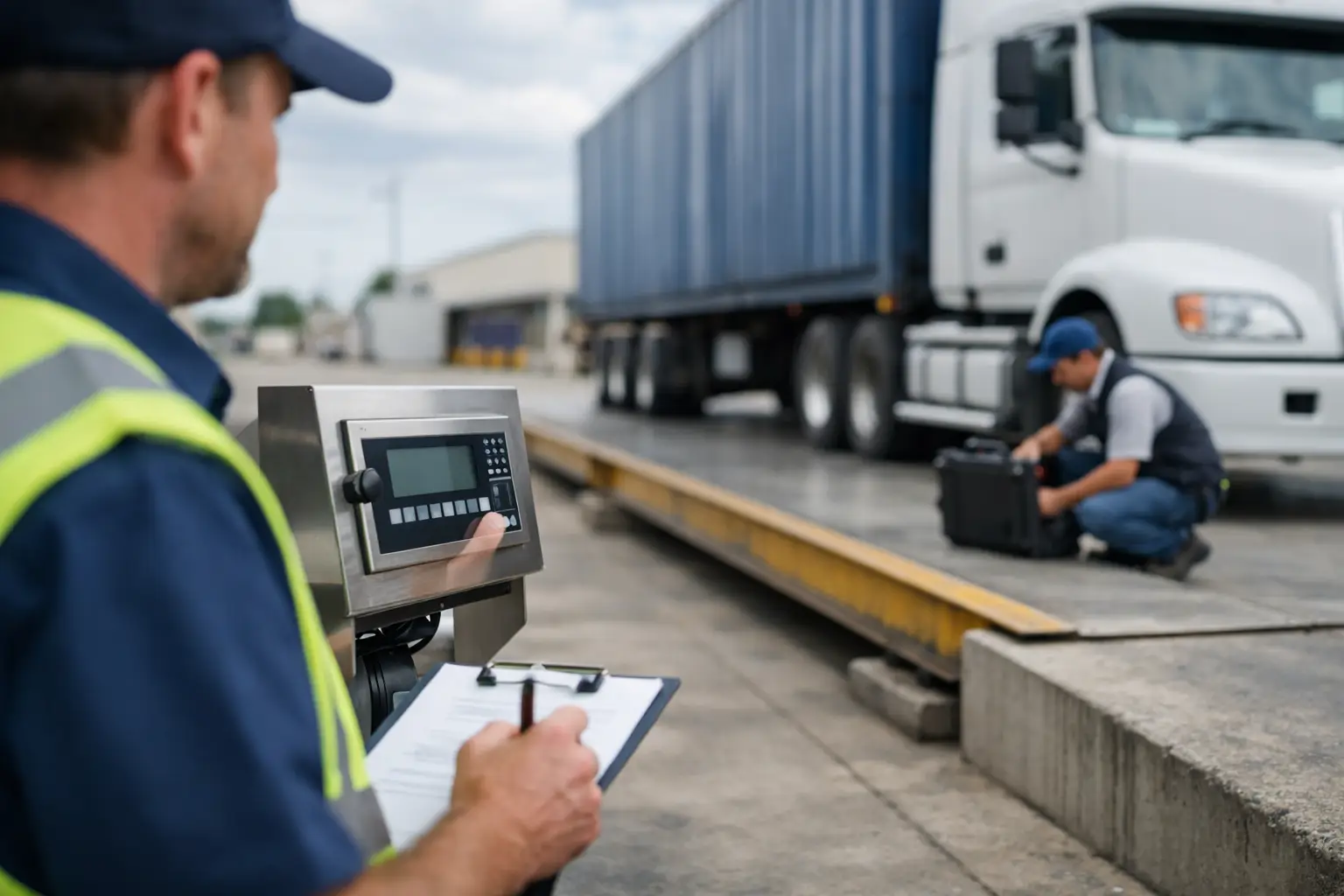
When a customer buys produce, meat, coffee beans or bulk goods by weight, there is no room for guesswork. A proper trade scale verification service makes sure the weight shown on your scale is accurate, legally compliant and suitable for trade. For businesses that sell by weight, that is not just a technical detail. It affects pricing, customer trust and day-to-day operations.
Many operators only think about scale verification when an inspection is due or when a reading starts to look off. By that point, the issue may already be costing money or creating compliance risk. If your scale is part of how you charge customers, it needs to be treated as business-critical equipment, just like your POS system or receipt printer.
What a trade scale verification service actually means
A trade scale verification service is the process of checking and confirming that a scale used for buying or selling goods by weight meets the required trade measurement standards. In practical terms, it means the scale has been tested, adjusted where needed, and verified for legal use in a commercial setting.
That matters for more businesses than many people realise. It is not limited to butchers and grocers. Cafes selling retail coffee beans, health food stores with bulk bins, seafood outlets, market operators, specialty retailers, food manufacturers and some hospitality venues may all rely on trade-approved weighing equipment.
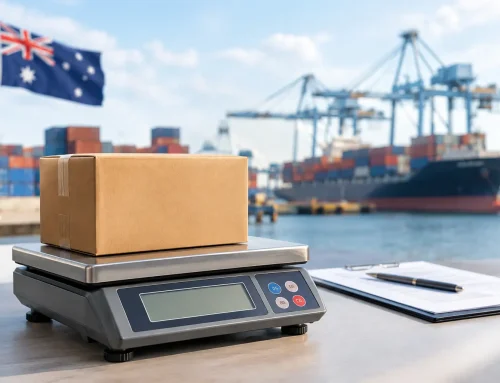
There is an important distinction here. Not every scale is suitable for trade use. A general-purpose bench scale or kitchen scale may be fine for internal portioning or prep work, but if it is being used to determine the price a customer pays, it generally needs to be trade approved and properly verified.
Why verification matters beyond compliance
Compliance is the obvious reason, but it is not the only one. If a scale is under-reading, you may be giving away product without realising it. If it is over-reading, you risk overcharging customers and damaging trust. Neither outcome is good for margin or reputation.
In busy retail and food service environments, small errors add up quickly. A slight variance on every transaction can become a noticeable loss across weeks or months. For businesses with tight margins, that is a problem worth fixing early.
Verification also gives staff confidence. When your team knows the equipment has been tested and approved, there is less uncertainty at the counter. That is especially useful in fast-paced environments where speed matters and customers expect accurate transactions every time.
When your business is likely to need a trade scale verification service
If you are opening a new site, replacing an old scale, relocating equipment, or changing the way you sell weighted goods, verification should be on your checklist. The same applies if a scale has had a repair, suffered a knock, started showing inconsistent readings or has simply been in service for a long time.
Queensland businesses often operate in demanding conditions – warm kitchens, mobile setups, market environments, grease, dust and regular movement of equipment. Those conditions can affect scale performance over time. Even a quality unit can drift, wear or require recalibration.
The need is not always obvious from the outside. A scale can look fine on the bench and still be reading incorrectly. That is why routine attention matters. Waiting until there is a visible fault is rarely the best approach.
Trade scale verification service and calibration are not exactly the same
This is where some confusion happens. Calibration and verification are related, but they are not interchangeable terms.
Calibration is the process of testing the scale and adjusting it so it reads correctly. Verification is the formal confirmation that the scale meets the required standard for trade use. In many cases, a service visit may involve both. If the unit is out, it may need calibration before it can be verified.
For business owners, the practical takeaway is simple: do not assume a quick adjustment is enough. If the scale is being used for trade, you need to know whether it is legally suitable for that purpose and whether the work has been completed by the right licensed provider.
What to expect from a proper verification visit
A reliable provider will start by checking the scale type, its condition and whether it is the correct unit for the intended application. They will test accuracy using certified weights across the scale’s operating range, not just at one point.
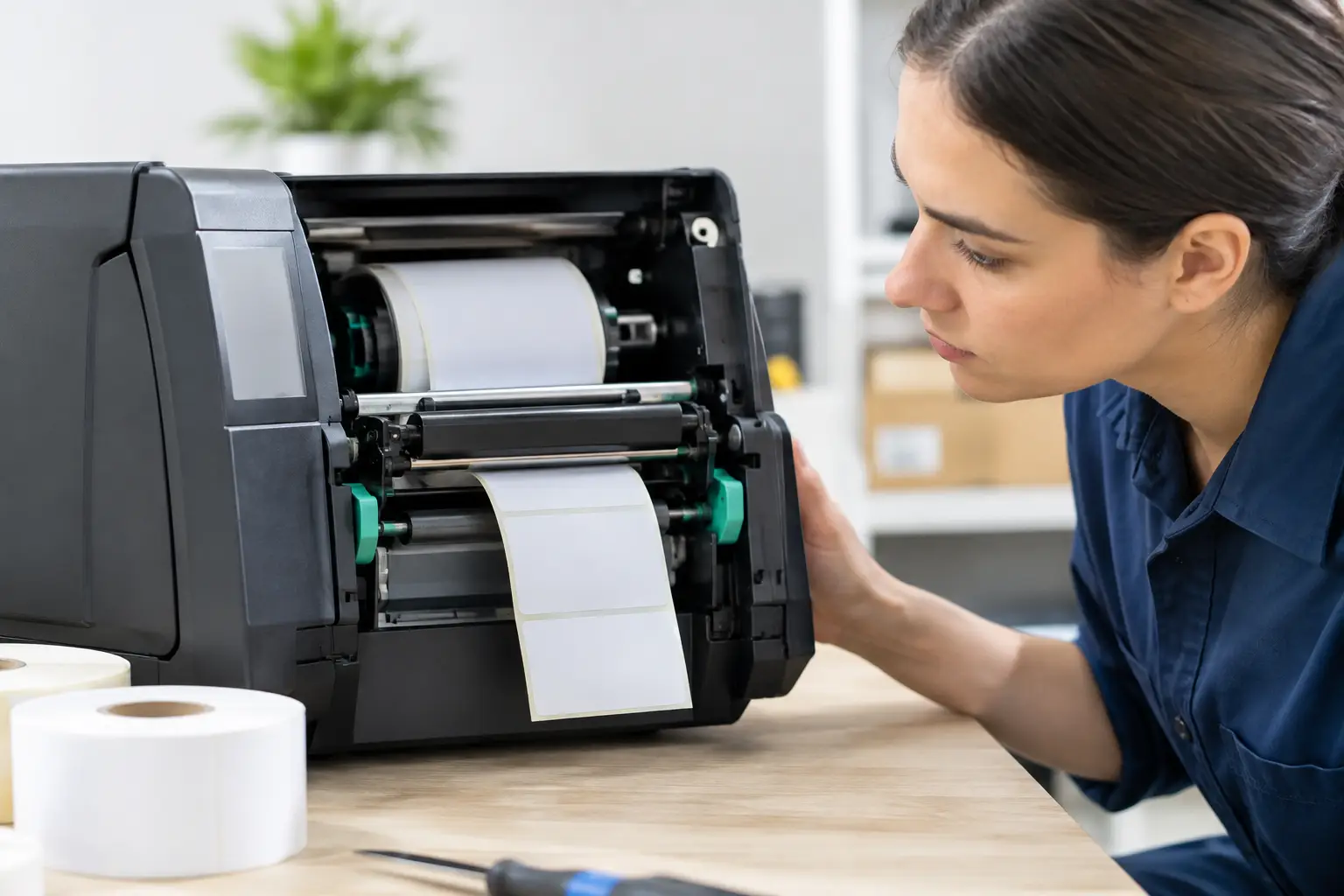
If the scale is out of tolerance, adjustments may be required. The technician should also assess installation factors that affect performance, such as bench stability, level positioning, power issues and environmental interference. Sometimes the problem is the scale itself. Other times, it is where or how the scale is being used.
Once the unit is performing correctly and meets the applicable requirements, it can be verified for trade use. If it does not pass, you should be told clearly why, what needs to be done, and whether repair or replacement is the better option. Honest advice matters here. Throwing good money at an unreliable scale is not always the right call.
Choosing the right trade scale verification service provider
This is not a job to leave to a general equipment supplier with limited technical depth. You need a provider who understands trade-approved weighing equipment, legal compliance, real-world site conditions and the operational pressures of your business.
For many small and mid-sized operators, local support is a major advantage. If your scale fails before a weekend rush, a remote call centre is not much help. Businesses across Southeast Queensland often need practical, on-site assistance from technicians who can diagnose the issue quickly and work with the broader equipment setup around it.
It also helps to work with a team that can support the full life cycle of the equipment. That means helping you choose the right scale in the first place, installing it properly, verifying it, maintaining it and repairing it when needed. A service-led provider can usually spot upstream issues before they become expensive interruptions.
Common situations where businesses get caught out
One of the most common issues is using a non-trade scale in a trade application. It may have been bought online, inherited from another site or used temporarily during a busy period. If customers are being charged by weight, temporary fixes can create long-term headaches.
Another problem is moving a verified scale without checking whether it still performs correctly in the new location. A scale that worked well on one counter may behave differently on another due to vibration, airflow, uneven surfaces or surrounding equipment.
There is also the assumption that because the display turns on and the numbers change, everything is fine. That is understandable, but it is not enough. Accuracy has to be proven, not guessed.
Getting more value from the service
The best time to arrange verification is before the scale becomes a problem. For new fit-outs, include weighing equipment in the wider rollout plan so it is installed and checked as part of the overall setup. For established businesses, treat verification as part of preventative maintenance rather than a last-minute compliance task.
It is also worth asking whether your current scale still suits your workflow. If staff are working around a unit that is too small, too slow, hard to clean or poorly placed, that affects more than compliance. It slows service and increases wear. Sometimes the smarter decision is to replace an ageing unit with equipment that better fits the way your business runs now.
This is where an experienced local provider can make a real difference. A team like Electronic Business Equipment can look at the scale itself, but also the bench space, power supply, transaction flow and support requirements around it. That broader view usually leads to fewer callouts and better long-term value.
A practical standard for busy businesses
A trade scale verification service is really about certainty. You want to know your equipment is accurate, your customers are being charged correctly, and your business is meeting its obligations without avoidable stress.
If your operation relies on weight-based sales, it pays to stay ahead of the issue. The right advice at the right time can prevent lost revenue, failed inspections and unnecessary downtime. And when the scale on your counter is part of how you earn every day, certainty is worth having.




Leave A Comment
You must be logged in to post a comment.